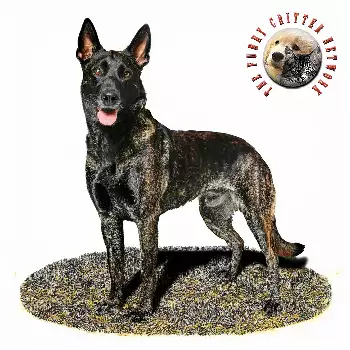

The Dutch Shepherd's strength and drive demand walking equipment that is both durable and functional. A flat collar made from heavy-duty nylon or biothane with a secure buckle or cobra-style closure serves as the everyday wear collar for carrying identification tags and registration. Width should be at least one and a half inches to distribute pressure and prevent the collar from digging into the neck during sudden movements. Avoid thin collars that can concentrate force on the trachea if the dog pulls.
Harnesses are the preferred walking option for Dutch Shepherds that pull or are still learning leash manners. Front-clip harnesses redirect pulling energy toward the handler, making walks more manageable without applying throat pressure. For sport and working Dutch Shepherds, padded Y-front harnesses distribute load across the chest and shoulders without restricting shoulder movement, which is important for dogs that need full range of motion during activities like tracking, agility, or bite work.
Leash selection depends on the intended activity. A standard six-foot leash made from leather, biothane, or heavy nylon provides adequate control for general walks and training. Leather leashes develop a comfortable grip over time and offer excellent durability, though they require conditioning to prevent drying and cracking. For off-leash training transitions, a long line of fifteen to thirty feet gives the dog freedom to explore while maintaining a safety backup. Avoid retractable leashes for Dutch Shepherds, as the thin cord provides minimal control and can cause rope burns or snap under the force of a sudden lunge.
For handlers involved in working dog sports or protection training, specialized equipment such as agitation harnesses, tracking lines, and multi-point leash attachments may be necessary. These items should be selected based on the specific sport requirements and fitted by someone experienced with working dog equipment to ensure proper load distribution and safety for both dog and handler.