
Collars, Harnesses & Leashes

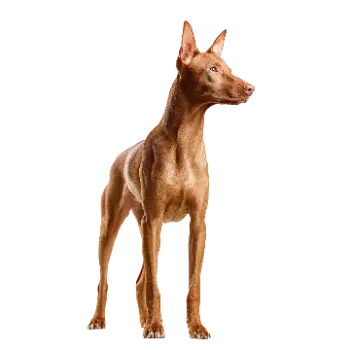
The Cirneco dell'Etna presents a unique challenge when it comes to collars and harnesses because of its sighthound build. The breed has a narrow head, a long neck, and a relatively slim skull, which means traditional flat collars can slip off with alarming ease if the dog pulls backward or startles. A properly fitted martingale collar is the standard recommendation for sighthounds — it tightens gently under tension to prevent escape without choking the dog.

When measuring for a martingale, ensure the collar sits high on the neck and cannot be pulled over the ears when tightened to its smallest circumference. The collar should be snug enough to prevent slipping but loose enough to fit two fingers between the collar and the dog's neck when relaxed. Lightweight nylon or fabric martingales are comfortable for daily wear, while padded leather options offer a more finished look.

Harnesses are an excellent alternative, particularly for walks where the Cirneco may lunge toward small animals or moving objects. A well-fitted harness distributes pressure across the chest and shoulders rather than concentrating it on the delicate trachea. Look for Y-shaped or T-shaped harness designs that do not restrict shoulder movement, as the Cirneco's athletic gait should never be compromised by ill-fitting equipment.

For leashes, a standard four-to-six-foot fixed-length lead provides the best balance of control and freedom. Retractable leashes are generally not recommended for sighthounds, as they allow too much distance for a dog with explosive acceleration and a tendency to bolt after perceived prey. A sudden sprint against a locked retractable leash can cause neck injuries or snap the thin cord entirely.

Grooming Tools

The Cirneco dell'Etna has a short, close-lying coat that requires minimal grooming compared to longer-haired breeds, but regular maintenance still matters. A weekly once-over with a soft rubber curry brush or a grooming mitt removes loose hair, distributes natural oils, and keeps the coat looking smooth and healthy. The breed sheds lightly year-round with slightly heavier shedding during seasonal changes.

Bathing should be infrequent — every four to six weeks or as needed when the dog gets particularly dirty. The Cirneco's coat has a naturally clean quality and does not develop the strong odor common in some breeds. Use a gentle, soap-free dog shampoo that will not strip the coat's natural oils or irritate the thin skin beneath. A moisturizing conditioner is optional but can be beneficial in dry climates.

Nail care is a critical grooming task that many owners overlook. The Cirneco's nails grow quickly and, if left untrimmed, can alter the dog's gait and cause discomfort. Trim nails every two to three weeks using a sharp guillotine-style or rotary nail tool. If your dog is anxious about nail trimming, a scratch board — a piece of sandpaper mounted on a board — can be trained as an alternative, allowing the dog to file its own front nails through a pawing motion.

Ear care and dental hygiene round out the grooming routine. The Cirneco's large, erect ears are well-ventilated and less prone to infection than floppy-eared breeds, but they should still be checked weekly for debris or wax buildup. Brush the dog's teeth several times a week with an enzymatic dog toothpaste to prevent tartar accumulation and gum disease.

Bowls & Feeders

Choosing the right bowls and feeders for the Cirneco dell'Etna is more than a cosmetic decision — material, height, and design all affect the dog's comfort and health during meals. Stainless steel bowls are the most practical everyday choice. They are durable, easy to sanitize, resistant to bacterial buildup, and unlikely to cause the contact allergies that some dogs develop from plastic bowls.

Ceramic bowls offer a heavier, more stable alternative that is less likely to be pushed around the floor during enthusiastic eating. However, they can chip or crack, creating surfaces where bacteria can accumulate. If using ceramic, inspect bowls regularly and replace any that show damage. Avoid decorative glazes that may contain lead or other harmful materials — choose food-safe certified options only.

Elevated feeders can be beneficial for the Cirneco, bringing the food and water to a more comfortable height and promoting better posture during meals. A feeder that positions bowls at the dog's lower chest height reduces the amount of bending required and may help with digestion. However, the research on elevated feeders and bloat risk is mixed, so discuss the choice with your veterinarian if you have concerns.

Slow-feeder bowls with raised ridges or maze patterns are worth considering if your Cirneco eats too quickly. Rapid eating increases the risk of choking, vomiting, and bloating. A slow feeder forces the dog to work around obstacles to access the food, naturally extending mealtime and promoting better digestion.

Travel Gear

The Cirneco dell'Etna's compact size makes it a relatively convenient travel companion, but proper gear ensures both safety and comfort during car trips, flights, and outings. A crash-tested travel crate or carrier that fits securely in your vehicle is the safest way to transport your Cirneco. The crate should be large enough for the dog to lie down and turn around, with adequate ventilation on multiple sides.

For owners who prefer not to use a crate in the car, a crash-tested dog seatbelt harness provides an alternative form of restraint. These harnesses attach to the vehicle's seatbelt system and restrict the dog's movement enough to prevent injury during sudden stops or collisions. Ensure the harness has been independently tested for crash safety, as many products on the market make safety claims without supporting data.

A collapsible travel water bowl and a portable food container are essential for any outing longer than a quick errand. The Cirneco can dehydrate quickly during warm-weather travel, so offering water at every stop keeps the dog comfortable and safe. Insulated water bottles with attached bowl dispensers are a convenient all-in-one solution.

For air travel, check airline requirements well in advance. The Cirneco's size often allows it to fly in-cabin in an approved soft-sided carrier, which is far less stressful than cargo hold travel. Acclimate your dog to the carrier weeks before the trip by using it as a resting spot at home, gradually building positive associations through treats, meals, and calm confinement sessions.

Safety & ID

Identification is non-negotiable for the Cirneco dell'Etna. This breed's prey drive and athletic ability mean that escape is always a possibility, no matter how careful the owner. A multi-layered identification strategy provides the best chance of recovery if your dog gets loose.

Microchipping is the most reliable form of permanent identification. A microchip implanted between the shoulder blades can be scanned by any veterinarian or animal shelter, linking the dog to your contact information in a national registry. Ensure your registration details are current — a microchip is only useful if the contact information in the database is accurate and up to date.

A visible ID tag attached to the collar or harness provides immediate identification without the need for a scanner. Include your name, phone number, and the dog's name on the tag. Some owners also add a secondary tag with a veterinarian's contact number or a note about the dog's medical needs. Silicone tag silencers can be placed over metal tags to reduce jingling noise, which some Cirnecos find annoying.

Reflective gear — collars, leash attachments, or clip-on lights — is essential for visibility during early morning and evening walks. The Cirneco's coat colors, while beautiful, can be difficult to spot in low-light conditions. A reflective vest or LED collar light ensures that the dog is visible to drivers and cyclists, significantly reducing the risk of accidents during twilight outings.

Seasonal Gear

The Cirneco dell'Etna's thin coat and minimal body fat make seasonal gear a practical necessity rather than an optional indulgence. In cold weather, a well-fitted dog coat or sweater is essential for outdoor comfort. Look for designs that cover the chest and belly — the areas with the least fur coverage — while allowing full freedom of movement through the shoulders and legs.

Fleece-lined jackets are ideal for moderately cold conditions, while insulated waterproof coats serve better in wet, frigid weather. The garment should fit snugly without constricting movement or chafing at the leg openings. Measure your Cirneco carefully before purchasing, as sighthound proportions — deep chest, narrow waist, long legs — often do not match standard sizing charts. Sighthound-specific apparel brands typically provide the best fit.

Dog boots or paw wax protect the Cirneco's feet from hot pavement in summer and ice, salt, and chemical deicers in winter. Many dogs resist boots initially, so introduce them gradually with positive reinforcement. Paw wax is an easier alternative that creates a protective barrier against harsh surfaces without the challenge of keeping boots on an unwilling dog.

In summer, cooling vests and bandanas can help the Cirneco manage heat during outdoor activities. These products are soaked in water and use evaporative cooling to lower the dog's body temperature. They are particularly useful for dogs that participate in outdoor sports, hiking, or extended walks during warmer months. Always provide shade and fresh water alongside any cooling gear, and avoid exercising the dog during the hottest parts of the day.

Always consult a qualified professional before making any health-related decisions. This content is provided for informational reference only and should not replace professional guidance specific to your animal.