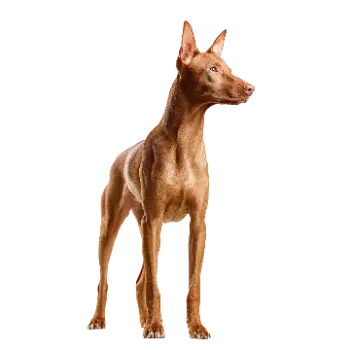

Activity & Health Monitors

Activity monitors designed for dogs have matured significantly in recent years, and they are a particularly valuable tool for Cirneco dell'Etna owners. These devices, typically attached to the collar or integrated into a smart collar, track daily movement patterns including steps, distance, active minutes, and rest periods. For a breed as athletic as the Cirneco, this data helps owners ensure the dog is getting sufficient exercise and can reveal changes in activity that might indicate an emerging health concern.

Beyond basic activity tracking, many monitors now include metrics such as calorie burn estimates, sleep quality analysis, and behavioral pattern recognition. A sudden decrease in activity or disrupted sleep patterns in an otherwise energetic Cirneco can be an early warning sign of pain, illness, or joint problems. Having objective data to share with your veterinarian makes diagnostic conversations more productive and can lead to earlier intervention.

When choosing an activity monitor, consider the device's size and weight relative to the Cirneco's frame. A bulky tracker designed for a large breed will be uncomfortable and obtrusive on a twenty-pound sighthound. Look for lightweight, low-profile devices that attach securely to the collar without adding significant bulk. Water resistance is important as well, since the device will be exposed to rain, puddles, and the occasional swim.

Battery life varies widely between products. Some monitors require charging every few days, while others last weeks or even months on a single charge. For a Cirneco that wears its tracker continuously, a longer battery life reduces the inconvenience of removing and recharging the device. Evaluate the companion app as well — a well-designed app with clear data visualization and trend analysis makes the information actionable rather than overwhelming.

GPS & Location Tracking

If any breed justifies the investment in a GPS tracker, it is the Cirneco dell'Etna. This sighthound's combination of explosive speed, powerful prey drive, and ability to clear surprisingly tall fences makes escape a real possibility even for diligent owners. A GPS tracker attached to the collar provides real-time location data and can mean the difference between a quick recovery and a prolonged, dangerous search.

Modern GPS trackers for pets use a combination of satellite positioning, cellular networks, and sometimes Wi-Fi triangulation to pinpoint a dog's location. Most devices allow owners to set virtual boundaries — geofences — around their property, sending an immediate alert to a smartphone if the dog crosses the perimeter. For a breed that can cover significant ground in seconds, the speed of these notifications is critical.

Evaluate coverage and connectivity before purchasing. GPS trackers rely on cellular networks to transmit location data, and coverage can be spotty in rural areas or heavily wooded terrain. Some devices offer better rural performance by supporting multiple network carriers or incorporating satellite-based backup communication. If you live in an area with unreliable cell coverage, prioritize trackers with broader network compatibility.

Subscription costs are an important consideration. Most GPS trackers require a monthly or annual service plan to maintain cellular connectivity and access the companion app's full features. Factor this ongoing cost into your purchase decision alongside the upfront price of the device. Some manufacturers offer multi-year plans at reduced rates, which can represent meaningful savings over the life of the product.

Smart Feeders & Water

Smart feeders and water dispensers bring convenience and precision to the Cirneco dell'Etna's daily feeding routine. Automated feeders dispense pre-measured portions at scheduled times, ensuring consistency even when the owner's schedule is unpredictable. For a breed that benefits from regular, portion-controlled meals, this technology helps prevent both overfeeding and missed meals.

Look for feeders with reliable portion accuracy and tamper-resistant designs. The Cirneco is intelligent and curious enough to investigate a feeder's mechanics, and poorly secured lids or flimsy dispensing mechanisms may not withstand a determined dog's efforts. Stainless steel or BPA-free food-contact surfaces are preferable to porous plastic, which can harbor bacteria and cause discoloration or odor over time.

Smart water fountains encourage adequate hydration by providing a continuous flow of filtered water. Many dogs, including Cirnecos, prefer moving water over still water in a bowl, and a fountain can increase daily water intake. Choose a fountain with a quiet motor — the Cirneco's alert nature means a noisy pump may deter rather than attract the dog. Multi-stage filtration systems that remove hair, debris, and impurities keep the water clean and appealing between full cleanings.

Wi-Fi-connected feeders that integrate with a smartphone app allow owners to monitor feeding activity remotely, adjust portion sizes, and receive notifications when meals are dispensed or skipped. Some models include cameras that let you watch your dog eat in real time, which can be useful for monitoring eating behavior and detecting appetite changes that might signal illness.

Cameras & Home Monitoring

Pet cameras provide peace of mind for Cirneco dell'Etna owners who leave their dogs home alone during the workday. This breed bonds closely with its family and can develop separation anxiety if left without stimulation for extended periods. A home monitoring camera lets you check in visually, and many models include two-way audio so you can speak to your dog and hear what is happening at home.

Interactive cameras that dispense treats on command add a layer of engagement to remote monitoring. Being able to reward your Cirneco for calm behavior while you are away reinforces positive habits and provides a brief moment of interaction that can break up the monotony of a long day alone. Some cameras also include laser pointers or other remote play features, though the Cirneco's prey drive means a laser dot should be used cautiously to avoid obsessive chasing behavior.

Camera placement matters. Position the device in the area where your Cirneco spends most of its unsupervised time — typically the living room or near its crate and bed. A wide-angle lens with pan-and-tilt capability provides better coverage than a fixed camera, and night vision ensures visibility even in dimly lit rooms. Motion-activated recording can capture activity while you are not actively watching the live feed.

Privacy and data security should factor into your purchasing decision. Choose cameras from manufacturers with clear data policies, encrypted video streams, and secure cloud storage. Avoid devices with known security vulnerabilities or those that require excessive permissions on your smartphone. Your home camera feed should be accessible only to you and anyone you explicitly authorize.

Training Technology

Technology can augment traditional training methods for the Cirneco dell'Etna, though it should complement rather than replace the relationship-based training this breed responds to best. Remote treat dispensers and clicker apps are among the most straightforward training tech tools, allowing precise reward timing and consistent marker signals that accelerate learning.

Automated training platforms that combine puzzles, treat dispensing, and programmed challenges can keep a Cirneco mentally engaged when you are not available for direct interaction. These devices cycle through different games that reward the dog for pressing buttons, touching targets, or solving sequential problems. For an intelligent breed prone to boredom, this kind of structured independent activity can reduce destructive behavior and channel mental energy productively.

Vibration and tone-based remote training collars can be useful communication tools for the Cirneco, particularly during off-leash training in enclosed areas. These devices deliver a vibration or audible tone as a cue — not a correction — and should be paired with positive reinforcement to build reliable responses. Avoid any device that delivers electric stimulation. The Cirneco is a sensitive breed that responds poorly to aversive methods, and shock-based training risks damaging the trust between dog and owner.

Training apps that provide structured lesson plans, progress tracking, and video demonstrations can help owners stay consistent with their training program. Many apps offer breed-specific advice and allow you to log sessions, set goals, and track which behaviors have been mastered. For first-time Cirneco owners, these guided programs provide valuable structure during the early months of training.

Veterinary Telehealth

Veterinary telehealth services have expanded access to professional guidance for dog owners, and they can be particularly valuable for Cirneco dell'Etna owners who may not have a sighthound-experienced veterinarian nearby. Telehealth platforms connect you with licensed veterinarians via video call, chat, or phone for consultations on non-emergency health questions, behavioral concerns, and general wellness advice.

Telehealth is most appropriate for situations where a physical examination is not immediately necessary. Questions about dietary changes, minor skin irritations, behavioral shifts, supplement recommendations, and post-visit follow-ups can often be addressed effectively through a virtual consultation. For a breed like the Cirneco, which may present with breed-specific concerns that general practitioners are less familiar with, telehealth can connect you with specialists who have sighthound experience regardless of geographic distance.

Some telehealth platforms offer subscription models that include unlimited consultations for a monthly fee, while others charge per visit. Evaluate the platform's veterinary credentials, response times, and after-hours availability when choosing a service. Immediate access to a veterinarian at two in the morning when your dog is vomiting can prevent unnecessary emergency room visits and provide rapid guidance on whether the situation requires in-person care.

Telehealth does not replace regular in-person veterinary visits. Annual wellness exams, vaccinations, dental cleanings, and diagnostic procedures all require hands-on assessment. Think of telehealth as a complement to your primary veterinary relationship — a convenient first point of contact for questions and concerns that helps you make informed decisions about when an in-person visit is truly needed.

Always consult a qualified professional before making any health-related decisions. This content is provided for informational reference only and should not replace professional guidance specific to your animal.