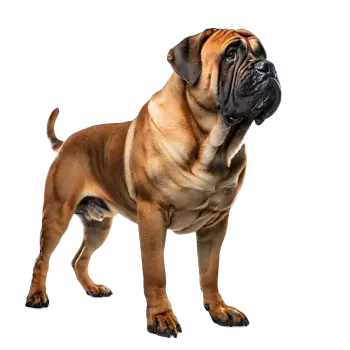

Collars, Harnesses & Leashes

A Bullmastiff requires walking equipment that can handle significant pulling force without compromising the handler's control or the dog's comfort. Standard nylon collars work for carrying identification tags, but a properly fitted harness is the better choice for walks and training. Front-clip harnesses redirect pulling force toward the handler and discourage leaning into the leash without placing pressure on the dog's throat.

Collars should be wide enough to distribute pressure across the neck without digging into the skin. A width of one and a half to two inches is appropriate for most adult Bullmastiffs. Rolled leather or padded nylon collars reduce the risk of rubbing and hair breakage around the neck. Ensure the collar fits with enough room to slide two fingers beneath it comfortably, and check the fit regularly as weight fluctuations can change the sizing.

Leashes for a Bullmastiff should be sturdy, at least one inch wide, and made from heavy-duty nylon, biothane, or leather. A six-foot length provides adequate control while allowing reasonable freedom of movement. Avoid retractable leashes entirely with this breed. The thin cord or tape in retractable designs can snap under a sudden lunge from a hundred-pound dog, creating a dangerous situation for the handler, the dog, and bystanders.

For dogs that pull heavily despite harness use, head halters offer an additional level of control by guiding the dog's head rather than restraining the body. These require a gradual introduction period and proper fitting to be effective and humane. Never jerk or yank a head halter, as sudden lateral force can strain the dog's neck. Used correctly, head halters can transform walks with a strong Bullmastiff from a struggle into a manageable activity.

Grooming Tools

Bullmastiffs have short, dense coats that shed moderately year-round with heavier seasonal shedding in spring and fall. A rubber curry brush or grooming mitt is the most effective tool for regular coat maintenance, loosening dead hair and distributing natural skin oils across the coat. Weekly brushing sessions of five to ten minutes keep shedding manageable and promote healthy skin.

Bathing should occur every six to eight weeks unless the dog gets particularly dirty. Use a gentle, dog-specific shampoo formulated for sensitive skin, as Bullmastiffs can be prone to skin irritation and allergies. Their facial wrinkles require special attention during and after bathing. Moisture trapped in skin folds creates a breeding ground for bacteria and yeast, leading to infections that cause odor, redness, and discomfort. Clean wrinkles with a damp cloth and dry them thoroughly after every bath.

Nail trimming is essential and often challenging with this breed. Bullmastiffs have thick, tough nails that require heavy-duty clippers or a rotary grinding tool designed for large dogs. Trim nails every two to three weeks to prevent overgrowth that can alter gait, cause pain, and lead to joint problems. If the dog resists nail trimming, gradual desensitization with positive reinforcement is more effective than physical restraint.

Dental care is frequently overlooked but critically important. Daily tooth brushing with an enzymatic dog toothpaste is ideal, though even three to four times per week provides significant benefits. Use a brush sized for large breeds or a finger brush if the dog resists a standard toothbrush. Dental chews and water additives can supplement brushing but should not replace it as the primary oral hygiene method.

Bowls & Feeders

Stainless steel bowls are the best all-around choice for Bullmastiffs. They are durable, easy to sanitize, resistant to bacterial buildup, and heavy enough to resist tipping when properly sized. Avoid plastic bowls, which can harbor bacteria in surface scratches, cause contact allergies that manifest as chin acne, and are easily chewed or cracked by a large dog.

Elevated feeding stations bring food and water bowls to a comfortable height that reduces strain on the neck and shoulders during eating. For a Bullmastiff, the ideal bowl height positions the rim at approximately chest level, typically eight to twelve inches off the floor depending on the individual dog's build. Some veterinary research has produced mixed conclusions about the relationship between elevated feeding and bloat risk, so discuss the optimal setup with your veterinarian.

Slow-feeder bowls are strongly recommended for Bullmastiffs that eat rapidly. These bowls feature internal ridges, mazes, or raised patterns that force the dog to work around obstacles to access food, significantly reducing eating speed. Slower eating decreases the amount of air swallowed during meals and promotes better digestion, both of which are meaningful benefits for a deep-chested breed susceptible to gastric torsion.

Water bowls should be large enough to hold a generous supply, as Bullmastiffs drink substantial amounts, especially after exercise or during warm weather. A bowl with a capacity of at least two quarts ensures adequate availability between refills. Placing a mat or tray beneath the water bowl catches the considerable splashing and drooling that accompanies this breed's drinking sessions and protects flooring from water damage.

Travel Gear

Traveling with a Bullmastiff requires planning and equipment scaled to their size. For car travel, a crash-tested vehicle harness rated for dogs over a hundred pounds is the safest restraint option. These harnesses attach to the vehicle's seatbelt system and are designed to withstand the forces generated in a collision, protecting both the dog and passengers. A loose giant breed in a car during a sudden stop is a serious safety risk.

Cargo area barriers and vehicle crates are alternatives for SUVs, vans, and larger vehicles. Wire or aluminum crates secured to the cargo area provide a contained, familiar space during travel. Ensure the crate is large enough for the dog to stand and turn, and anchor it firmly to prevent sliding during stops and turns. Ventilation and temperature control in the cargo area are essential, as Bullmastiffs overheat quickly in enclosed spaces.

Portable water bowls, collapsible food containers, and a travel first aid kit should accompany your Bullmastiff on any trip longer than a quick errand. Pack familiar bedding or a blanket that carries the dog's scent to reduce travel anxiety. A supply of waste bags, cleaning supplies for drool, and any medications the dog takes regularly completes the travel kit.

For longer trips or overnight travel, research pet-friendly accommodations in advance. Many hotels have weight limits that exclude giant breeds, and confirming acceptance before arrival prevents stressful last-minute changes. Bring the dog's own food rather than relying on local purchases to avoid digestive upset from sudden diet changes during travel.

Safety & ID

Every Bullmastiff should wear a collar with current identification tags at all times, even indoors. Tags should include the dog's name, your phone number, and your address. In addition to collar tags, microchipping provides a permanent form of identification that cannot be lost, removed, or damaged. Register the microchip with your current contact information and update it whenever you move or change phone numbers.

Reflective collars, leash attachments, or clip-on LED lights are important safety accessories for evening and early morning walks. A dark-colored Bullmastiff is nearly invisible to motorists in low-light conditions, and their calm walking pace means they may not react quickly to approaching vehicles. Reflective gear makes the dog visible from a significant distance and adds a meaningful layer of safety.

Dog-proofing your home is an ongoing safety consideration with a breed this large. Secure trash cans with locking lids, keep medications and toxic substances in closed cabinets, and ensure electrical cords are out of reach or covered. Bullmastiffs can access surfaces that smaller breeds cannot, including kitchen counters, low shelves, and table edges, so adjust your storage habits accordingly.

First aid supplies specific to dogs should be accessible in your home and vehicle. A basic canine first aid kit includes gauze, adhesive tape, antiseptic wipes, a digital thermometer, hydrogen peroxide for emergency use under veterinary direction, tweezers, and an emergency contact card with your veterinarian's phone number and the nearest emergency animal hospital. Familiarize yourself with basic first aid procedures before an emergency occurs.

Seasonal Gear

Winter gear for Bullmastiffs is generally minimal due to their dense coat, but dogs in extremely cold climates may benefit from a fitted jacket or vest during prolonged outdoor exposure. Choose a coat designed for giant breeds that covers the chest and torso without restricting movement. Waterproof materials are preferable in snowy or wet conditions. Paw protection in the form of wax balms or fitted booties prevents damage from ice, salt, and chemical de-icers on sidewalks and roads.

Summer demands more attention for this heat-sensitive breed. Cooling vests that use evaporative technology can lower body temperature during outdoor activities and are particularly useful for walks during warm months. These vests are soaked in water, wrung out, and placed on the dog, providing cooling through evaporation for one to two hours. Portable collapsible water bowls ensure hydration is available during any outdoor excursion.

Rain gear may seem unnecessary for a short-coated breed, but a lightweight waterproof jacket can make rainy walks more comfortable for both the dog and the owner. A wet Bullmastiff shaking off inside the house deposits a remarkable amount of water across a wide radius, and a rain jacket significantly reduces the post-walk cleanup. Quick-dry microfiber towels are a worthwhile investment for drying off the dog efficiently after wet outings.

Seasonal flea and tick prevention is essential regardless of climate. Consult your veterinarian about the most appropriate preventive product for your region and your dog's health profile. During peak tick season, inspect your Bullmastiff thoroughly after outdoor time, paying particular attention to the ears, neck folds, armpits, and between the toes where parasites commonly attach.

Always consult a qualified professional before making any health-related decisions. This content is provided for informational reference only and should not replace professional guidance specific to your animal.