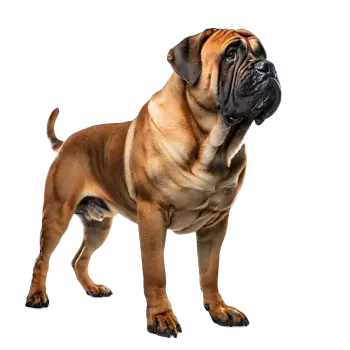

Space Requirements

Bullmastiffs are large dogs that need adequate floor space to move, stretch, and rest comfortably. Despite their imposing size, they are relatively low-energy indoors and spend much of their time lounging. A home with enough open floor area for them to lie fully extended is more important than a large yard, though outdoor access for moderate exercise and bathroom breaks is still essential.

Apartment living is not ideal for this breed but can work if the unit is spacious enough and the dog receives regular outdoor walks. The primary concern is not activity space but physical clearance. Bullmastiffs can easily knock items off low tables, and tight hallways or cluttered rooms create navigation challenges for a dog that may weigh well over a hundred pounds.

Designate a specific resting area for your Bullmastiff that is away from high-traffic zones but still within sight of the family. These dogs are deeply bonded to their people and can become anxious if isolated in a back room or garage. A corner of the living room or a spot near the kitchen where they can observe household activity is typically ideal.

Outdoor spaces should be securely fenced with a minimum height of five to six feet. While Bullmastiffs are not jumpers or climbers, their sheer strength means a flimsy fence will not contain them if they are motivated to push through. Solid wood or heavy-gauge chain link fencing provides the best combination of containment and durability.

Crates & Kennels

Crate training a Bullmastiff requires a crate large enough for the dog to stand, turn around, and lie down comfortably. For most adults, this means a 48-inch or 54-inch crate, depending on the individual dog's height and length. Wire crates with removable divider panels are practical because they allow you to adjust the interior size as a puppy grows, avoiding the need to purchase multiple crates.

Heavy-duty crates built with reinforced steel or aluminum are a worthwhile investment for this breed. Standard lightweight wire crates may bend or warp under the weight of a large Bullmastiff leaning against the sides or attempting to push out. If you plan to use the crate for travel, ensure it meets airline or vehicle safety standards for giant breeds.

Crate placement matters for the dog's comfort and willingness to use it. Position the crate in a social area of the home where the dog can see and hear family members. Draping a lightweight blanket over three sides can create a den-like atmosphere that many dogs find calming without making the space feel closed off or overheated.

Never use the crate as punishment. It should be a positive retreat where the dog chooses to rest. Introduce it gradually with treats and short sessions, building up to longer periods. Adult Bullmastiffs should not be crated for more than four to six hours at a stretch, and puppies require even more frequent breaks for bathroom needs and socialization.

Beds & Sleeping Areas

Orthopedic dog beds are strongly recommended for Bullmastiffs due to the strain their weight places on joints, hips, and elbows. Memory foam or high-density foam beds distribute weight evenly and reduce pressure points that can lead to calluses, joint stiffness, and discomfort. Look for beds rated to support at least 120 pounds with foam that does not compress flat after a few months of use.

Bed size should allow the dog to stretch out fully in any direction. Most Bullmastiffs need an extra-large or giant-size bed, typically 48 inches or longer. Bolstered beds with raised edges appeal to dogs that like to rest their heads on a cushioned rim, while flat platform beds suit dogs that sprawl across every available inch.

Durability and washability are critical features. Choose beds with removable, machine-washable covers made from heavy-duty fabric that resists tearing and staining. Bullmastiffs are known for drooling, and a bed that cannot be easily cleaned will develop odors and harbor bacteria quickly. Water-resistant liners beneath the cover add an extra layer of protection for the foam insert.

Some Bullmastiffs prefer sleeping on cool surfaces, especially in warmer months. Elevated cot-style beds allow air to circulate beneath the dog and can be a welcome alternative to foam beds during summer. Having both an orthopedic bed for cooler weather and an elevated cot for warm weather gives the dog options and extends the lifespan of each bed.

Outdoor Enclosures

Outdoor kennels and runs provide a secure space for Bullmastiffs to spend supervised time outside without requiring constant direct supervision. A well-constructed kennel run should measure at least six feet wide by twelve feet long, with six-foot-high panels made from heavy-gauge welded wire or chain link. The run should include a shaded area and a weatherproof shelter or covered section.

Flooring in outdoor enclosures deserves careful attention. Bare dirt becomes muddy and harbors parasites, while concrete is hard on joints and retains heat in summer. Pea gravel, rubber matting, or composite decking panels offer drainage, comfort, and easy cleaning. Rubber matting is particularly joint-friendly and can be hosed down quickly.

Outdoor enclosures are not a substitute for indoor living. Bullmastiffs are companion dogs that need to be part of the household, and leaving them outside for extended periods leads to behavioral problems, anxiety, and frustration. Use outdoor runs for supervised daytime breaks, not as primary housing. The enclosure should supplement indoor living, not replace it.

Ensure the outdoor area has constant access to fresh water, shade from direct sun, and protection from wind and rain. In regions with extreme temperatures, limit outdoor time accordingly. Bullmastiffs are brachycephalic to a mild degree and can overheat in hot weather, making shade and ventilation non-negotiable features of any outdoor setup.

Climate Considerations

Bullmastiffs have short, dense coats that offer moderate protection against cool weather but provide little insulation in extreme cold. In climates where winter temperatures regularly drop below freezing, limit outdoor exposure and provide a warm, draft-free indoor sleeping area. A heated dog bed or a self-warming mat can add comfort during cold months without the fire risk associated with space heaters.

Heat is a greater concern than cold for this breed. Their large body mass generates significant internal heat, and their shortened muzzle reduces respiratory cooling efficiency. During hot weather, keep your Bullmastiff in air-conditioned spaces during peak temperatures, ensure constant water access, and avoid exercise during the warmest parts of the day. Cooling mats and elevated beds help dissipate body heat.

Humidity compounds heat stress. In humid climates, even moderate temperatures can cause discomfort and panting. Watch for signs of overheating including excessive drooling, rapid breathing, glazed eyes, and lethargy. Move the dog to a cool environment immediately if these symptoms appear and offer small amounts of cool water.

For homes without central air conditioning, portable cooling units, fans, and strategic window management can make a significant difference. Position the dog's primary resting area in the coolest part of the house, ideally on a lower floor with tile or hardwood flooring that stays naturally cool. Frozen treat toys and shallow wading pools provide additional relief during heat waves.

Multi-Pet Households

Bullmastiffs can coexist well with other pets when properly introduced and given adequate personal space. Each dog in a multi-pet household should have its own designated sleeping area, food station, and water bowl. Resource guarding is a natural behavior in many dogs, and preventing competition over shared resources reduces tension and potential conflict.

When introducing a Bullmastiff to an existing pet, do so gradually in neutral territory. Allow both animals to acclimate to each other's scent before face-to-face meetings, and supervise all interactions until you are confident in their dynamic. The size disparity between a Bullmastiff and smaller dogs or cats means that even playful behavior can accidentally cause injury, so supervision remains important even after a positive introduction.

Crate training each dog individually is especially valuable in multi-pet homes. It provides each animal with a private retreat and simplifies management during feeding times, veterinary visits, or when guests are present. Separate crates also prevent crate-sharing conflicts that can arise when dogs compete for a single enclosed space.

Consider the layout of your home and whether it allows adequate separation when needed. Baby gates across doorways or hallways can create zones that give each pet its own territory without requiring complete isolation. This is particularly useful during the adjustment period when a new Bullmastiff is joining an established household with other animals.

Always consult a qualified professional before making any health-related decisions. This content is provided for informational reference only and should not replace professional guidance specific to your animal.