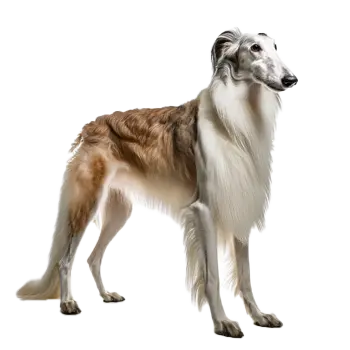

Space Requirements

The Borzoi is one of the tallest dog breeds, with males often standing 28 inches or more at the shoulder and stretching even longer from nose to tail. This sheer physical size means that standard housing solutions designed for "large" dogs frequently fall short. Before purchasing any crate, bed, or enclosure, measure your Borzoi from the tip of the nose to the base of the tail and from the floor to the top of the head when standing, then add several inches to each dimension. Undersized housing is not just uncomfortable — it can cause joint stiffness and behavioral reluctance to use the space at all.

Despite their size, Borzoi are remarkably calm indoors. They are often described as the world's largest couch dogs, content to spend hours draped across furniture in elegant repose. This indoor temperament means that a well-appointed living space with comfortable resting areas is more important to their daily well-being than a massive backyard, though outdoor access for exercise is still essential. A home with enough floor space for them to stretch out fully — and they do stretch — is the baseline requirement.

Borzoi also need room to move through the home without constantly navigating tight corners or squeezing between furniture. Their long tails and legs are vulnerable to being stepped on or caught in narrow passages. Consider your home's layout from the dog's perspective: wide pathways between rooms, clear sightlines to family gathering areas, and at least one or two designated resting spots where the dog can lie undisturbed.

For outdoor space, a securely fenced yard is highly recommended. Borzoi are sighthounds with an extraordinarily strong prey drive, and they can reach speeds of 35 to 40 miles per hour in just a few strides. A fence of at least six feet is the minimum — some owners prefer taller barriers — and it should extend to the ground to prevent digging under. Invisible or electronic fences are generally inadequate for this breed, as the pursuit instinct can easily override the deterrent.

Crates & Kennels

Finding a properly sized crate for a Borzoi can be a genuine challenge. Standard extra-large crates designed for breeds like Labrador Retrievers or German Shepherds are often too short for a Borzoi's height and too narrow for their length when curled. Look for giant or extra-extra-large wire crates that measure at least 48 inches in length, though many Borzoi owners find that 54-inch models are necessary for a comfortable fit. The dog should be able to stand without crouching, turn around without difficulty, and lie on their side with legs extended.

Wire crates offer excellent ventilation and visibility, which suits the Borzoi's preference for keeping an eye on their surroundings. They are also collapsible for travel and easy to clean. However, the wire floor can be uncomfortable for a breed with minimal body fat and prominent bones. Always use a thick, supportive crate pad or mat to cushion the floor. Orthopedic foam pads designed for large breeds provide the best pressure relief for bony joints.

Plastic airline-style crates are another option, particularly for travel. These provide a more enclosed, den-like environment that some Borzoi find comforting. The trade-off is reduced airflow and visibility. If you use a plastic crate, ensure it has adequate ventilation openings on multiple sides and meets airline dimensional requirements if you plan to fly with your dog.

Crate training should begin early and always use positive associations. Borzoi are sensitive dogs that do not respond well to being forced into confinement. The crate should represent a safe, voluntary retreat — never a punishment. Many Borzoi will accept a crate willingly for short periods but become anxious during extended confinement, so plan crate use around reasonable time limits and your dog's individual comfort level.

Beds & Sleeping Areas

A Borzoi's bed is arguably the most important piece of housing equipment you will purchase, given that these dogs can sleep 16 to 18 hours a day. Orthopedic beds with memory foam or high-density support foam are the best choice for this breed. Their lean frames and prominent joints — particularly elbows, hips, and hocks — are prone to developing pressure sores and calluses on hard or insufficiently padded surfaces. A quality bed prevents these issues and supports long-term joint health.

Size is the primary consideration. Many beds marketed as "large" are designed for stocky breeds and are too narrow for a Borzoi's elongated frame. Measure your dog in their most expansive sleeping position — usually stretched out on their side with all four legs extended — and choose a bed that accommodates this with room to spare. Some owners find that beds designed for Great Danes or similar giant breeds provide the best fit.

Bolster beds, which have raised edges on one or more sides, are popular with Borzoi because many individuals like to rest their long necks and heads on an elevated surface. A bed with a bolster on three sides and an open front gives the dog easy entry while providing the neck support they seek. Flat mattress-style beds work well too, particularly when placed against a wall or piece of furniture that can serve as a natural headrest.

Washability is a practical necessity. Look for beds with removable, machine-washable covers and water-resistant inner liners. Borzoi shed their silky coats year-round with heavier seasonal blowing, and their bedding will accumulate hair rapidly. Having a spare cover to rotate during wash cycles keeps the sleeping area clean and hygienic. Consider placing the bed in a draft-free location away from direct heating vents, as Borzoi can be sensitive to temperature extremes while resting.

Outdoor Enclosures

Outdoor kennels and runs can provide valuable supervised outdoor time, especially for Borzoi owners who do not have a fully fenced yard. A well-designed outdoor enclosure should be spacious enough for the dog to move freely — a minimum of six feet wide by twelve feet long for a single Borzoi, though larger is always better. The enclosure walls should be at least six feet tall, constructed from welded wire or chain link with small enough gaps to prevent the dog from pushing through or getting a leg caught.

The flooring of an outdoor enclosure matters significantly. Bare concrete is too hard on joints and becomes dangerously hot in summer or painfully cold in winter. Grass is comfortable but becomes muddy and difficult to sanitize. Pea gravel over a drainage base provides good footing, easy cleaning, and adequate drainage. Rubber kennel mats or interlocking rubber tiles are another excellent option that provide cushioning, are easy to hose down, and remain comfortable across a range of temperatures.

Shade and shelter within the enclosure are non-negotiable. Borzoi have long, narrow skulls with minimal insulating fat, making them susceptible to overheating. A solid roof over at least half the enclosure or a shade structure rated for wind resistance provides protection from sun and rain. An insulated doghouse within the enclosure offers a retreat during inclement weather, though it must be sized for the Borzoi's considerable dimensions.

Outdoor enclosures should always supplement, never replace, indoor living. Borzoi are companion dogs that form deep bonds with their families and suffer psychologically when isolated outdoors for extended periods. The enclosure is a tool for safe outdoor access during the day — the dog should sleep and spend the majority of their time inside the home with their people.

Climate Considerations

The Borzoi's coat provides moderate insulation, with a silky outer layer and a softer undercoat that thickens in winter and sheds in warmer months. In cold climates, most Borzoi tolerate low temperatures reasonably well during active outdoor time, but their lean bodies lose heat quickly when stationary. Provide a warm, draft-free indoor sleeping area and consider a lined coat or jacket for extended outdoor exposure in temperatures below freezing, particularly for older dogs or those with thinner coats.

Heat is a greater concern for Borzoi than cold. Their large body mass and relatively inefficient cooling systems make them vulnerable to heatstroke. During summer months, limit outdoor activity to early morning and late evening, ensure constant access to fresh water, and provide air-conditioned or well-ventilated indoor spaces. Elevated cooling beds — which use mesh fabric stretched over a frame to allow air circulation beneath the dog — are excellent additions to both indoor and outdoor resting areas during warm weather.

Humidity compounds heat stress and should be monitored alongside temperature. A day that is 80 degrees with high humidity can be more dangerous than a dry 90-degree day. Indoor dehumidifiers or air conditioning mitigate this risk. If your Borzoi must be outdoors in warm, humid conditions, watch closely for signs of overheating including excessive panting, drooling, glazed eyes, or unsteady movement, and bring the dog inside immediately if these appear.

For homes in extreme climates — whether very hot, very cold, or subject to dramatic seasonal swings — investing in climate-appropriate housing accessories is essential. Heated beds or pads for winter, cooling mats for summer, and draft blockers for sleeping areas all contribute to keeping your Borzoi comfortable year-round. These are not luxuries for this breed — they are practical necessities driven by the Borzoi's specific physiology.

Multi-Pet Households

Borzoi generally coexist peacefully with other large dogs, particularly other sighthounds who share their calm indoor demeanor and similar play styles. When housing multiple dogs, each should have their own designated resting area with a personal bed. While Borzoi often pile together socially — and they are famous for draping themselves over one another — each dog needs the option to retreat to a space that is exclusively theirs. Competition over sleeping spots can create tension even among otherwise compatible dogs.

Crate arrangements in multi-dog households require planning. Crates should be positioned so that dogs cannot make direct eye contact while confined, as this can increase anxiety and territorial behavior. Placing crates in the same room but oriented in different directions, or separated by a visual barrier, gives each dog a sense of personal space while still allowing them the comfort of nearby companionship.

Small animals present a significant challenge in Borzoi households. The breed's prey drive is deeply ingrained — Borzoi were developed to chase and capture swift game across open terrain, and this instinct does not differentiate between a rabbit in a field and a small dog or cat in the living room. If you keep cats or small dogs alongside a Borzoi, introductions must be carefully managed, and housing arrangements should include physical barriers that prevent unsupervised access. Baby gates, separate rooms, and carefully controlled interaction periods are all part of responsible multi-species housing.

Feeding stations in multi-pet homes should be separated to prevent resource guarding and to allow each dog to eat at their own pace. This is especially important for Borzoi given the bloat risk associated with stressed or competitive eating. Feed dogs in separate rooms or at sufficient distance that each animal can eat calmly without feeling the need to guard their bowl or rush through their meal.

Always consult a qualified professional before making any health-related decisions. This content is provided for informational reference only and should not replace professional guidance specific to your animal.