
Nutritional Needs

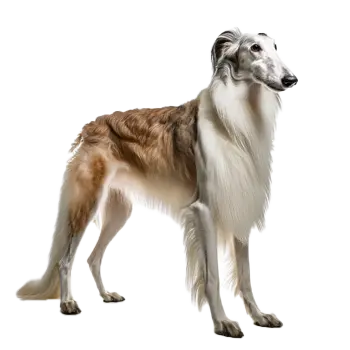
The Borzoi is a large sighthound with a lean, athletic build that demands a carefully considered approach to nutrition. Unlike many large breeds that tend toward stockiness, the Borzoi carries very little body fat and relies on efficient muscle mass for its characteristic bursts of speed. This means their caloric needs can be surprisingly moderate for their height, but the quality of those calories matters enormously. A diet too rich in fillers or carbohydrates will leave them sluggish, while one too lean in protein can undermine their muscle integrity over time.

Because Borzoi are deep-chested dogs, they are among the breeds most susceptible to bloat, also known as gastric dilatation-volvulus. This life-threatening condition is directly influenced by feeding practices, making portion control, meal timing, and food composition critical considerations rather than afterthoughts. Owners should work with their veterinarian to establish a feeding protocol that minimizes bloat risk from the very beginning.

Protein should form the foundation of a Borzoi's diet, ideally sourced from whole animal proteins like chicken, lamb, fish, or beef. Look for foods where a named protein source appears as the first ingredient. Fat content should be moderate — enough to support coat health and energy without encouraging weight gain. Omega-3 and omega-6 fatty acids are particularly beneficial for maintaining the Borzoi's silky coat and supporting joint health in this tall, leggy breed.

Puppies and adolescent Borzoi require special attention. Large-breed puppy formulas are essential because they regulate calcium and phosphorus ratios to support the slow, steady bone growth these dogs need. Rapid growth fueled by calorie-dense adult food can lead to developmental orthopedic problems. Most Borzoi do not reach full physical maturity until around two years of age, so the transition from puppy to adult food should be gradual and guided by your veterinarian's assessment of growth milestones.

What to Look For

When evaluating food products for your Borzoi, the ingredient list tells you far more than the marketing on the front of the bag. The first three to five ingredients make up the bulk of the formula, and they should be recognizable whole foods. Named animal proteins — such as deboned chicken or salmon meal — are preferable to vague terms like "meat meal" or "animal by-products," which can vary widely in quality and digestibility.

Avoid formulas that rely heavily on corn, wheat, or soy as primary ingredients. While grains are not inherently harmful to most dogs, they should play a supporting role rather than forming the caloric backbone of the food. Some Borzoi owners opt for grain-free diets, but this decision should be made in consultation with a veterinarian, as certain grain-free formulations have been linked to cardiac concerns in some breeds. Whole grains like brown rice, oatmeal, or barley are generally well-tolerated alternatives.

The guaranteed analysis panel provides minimum protein and fat percentages along with maximum fiber and moisture levels. For an adult Borzoi in good condition, look for a minimum of 22 to 26 percent protein and 12 to 16 percent fat. Working or highly active Borzoi used in lure coursing may benefit from formulas at the higher end of these ranges. Calorie density also matters — a food that is too calorie-dense will require very small portions, which can leave the dog feeling unsatisfied, while a low-calorie food may require uncomfortably large volumes.

Artificial preservatives like BHA, BHT, and ethoxyquin are best avoided. Natural preservatives such as mixed tocopherols and rosemary extract perform the same function without the associated health concerns. Similarly, artificial colors and flavors serve no nutritional purpose and may cause sensitivities in some dogs.

Recommended Dry Food

Dry kibble remains the most practical everyday food choice for most Borzoi owners due to its shelf stability, dental benefits, and cost-effectiveness. When selecting a kibble, prioritize large-breed or all-life-stage formulas from manufacturers that conduct feeding trials rather than relying solely on nutrient profile analysis. Feeding trials provide real-world evidence that dogs thrive on the food, not just that it meets minimum nutrient thresholds on paper.

Kibble size matters more for Borzoi than many owners realize. Larger kibble pieces encourage chewing rather than gulping, which slows the eating process and reduces the amount of air swallowed during meals. This is particularly relevant for bloat prevention. Some large-breed formulas are specifically designed with larger, flatter kibble shapes that promote this slower eating behavior.

Rotational feeding — cycling between two or three compatible kibble formulas every few months — can help prevent ingredient sensitivities from developing and keeps mealtime interesting for a breed that can become finicky. When rotating, stick to formulas with similar caloric density and macronutrient profiles to avoid digestive upset. Any transition between foods should happen gradually over seven to ten days, mixing increasing proportions of the new food with the old.

Storage also affects quality. Kibble should be kept in its original bag inside an airtight container, stored in a cool, dry location. Transferring kibble directly into a plastic bin without the bag can allow fats to go rancid on the container walls and introduce off-flavors that a discerning Borzoi may reject.

Wet & Fresh Options

Wet food can serve as a valuable supplement to a Borzoi's dry food diet or, in some cases, as a primary food source. Its higher moisture content supports hydration, and many dogs find it more palatable than kibble alone. For Borzoi that are picky eaters — a common trait in the breed — mixing a spoonful of wet food into kibble can make meals more appealing without dramatically increasing caloric intake.

Fresh and refrigerated dog food options have expanded significantly in recent years. These products typically use minimally processed, whole-food ingredients and are cooked at lower temperatures to preserve more nutrients. While they tend to cost more per serving than traditional kibble, they can be an excellent choice for Borzoi with sensitive stomachs or those recovering from illness. Many fresh food services offer customized portion sizes based on your dog's weight and activity level.

Raw diets are another option some Borzoi owners explore, drawn by the idea of feeding a diet closer to what canines might eat in a natural setting. If you choose to pursue raw feeding, it is essential to work with a veterinary nutritionist to ensure the diet is complete and balanced. Homemade raw diets are notoriously difficult to formulate correctly, and deficiencies in calcium, zinc, or essential vitamins can develop over time with serious health consequences.

Regardless of format, wet and fresh foods should meet the same quality standards as dry food: named protein sources, no artificial preservatives, and a complete nutritional profile. Check that any wet food you select carries a statement of nutritional adequacy from a recognized regulatory body, confirming it is formulated to meet established nutrient profiles for your dog's life stage.

Treats & Supplements

Treats are a valuable training and bonding tool, but they should never constitute more than ten percent of a Borzoi's daily caloric intake. Because Borzoi are lean dogs, even modest overfeeding with treats can lead to noticeable weight changes. Choose treats that are low in calories but high in flavor — small, soft training treats work well for reward-based training, while single-ingredient dehydrated proteins make satisfying snacks without unnecessary additives.

Dental chews serve a dual purpose by satisfying the urge to chew while helping to reduce plaque and tartar buildup. Look for products that have earned a seal of acceptance from veterinary dental organizations, as these have been tested for both safety and efficacy. Avoid extremely hard chews like antlers or weight-bearing bones, which can fracture teeth — a particular concern in sighthounds that use their mouths with considerable force during play.

Joint supplements containing glucosamine, chondroitin, and omega-3 fatty acids can be beneficial for Borzoi, particularly as they age. Their tall, narrow frame places specific stresses on joints that differ from those experienced by more compact breeds. Starting joint support in middle age, around four to five years, may help maintain mobility into the senior years. Always consult your veterinarian before adding any supplement to your dog's regimen.

Fish oil supplements are among the most universally recommended additions for Borzoi. The omega-3 fatty acids EPA and DHA support coat quality, reduce inflammatory responses, and may benefit cardiac health. Liquid fish oil can be drizzled over food, while capsules or chewable forms offer mess-free alternatives. Dosing should be appropriate to your dog's weight, and the product should be tested for purity to ensure it is free from heavy metals.

Foods to Avoid

Several common human foods are toxic to dogs and should never be offered to your Borzoi, regardless of how politely they request them. Chocolate, grapes, raisins, onions, garlic, and xylitol — an artificial sweetener found in many sugar-free products — are among the most dangerous. Even small amounts of these foods can cause serious illness, and some can be fatal. Keep these items stored securely and educate all household members about the risks.

Cooked bones, particularly poultry bones, splinter easily and can cause choking, intestinal blockages, or perforations. While raw bones are sometimes used as recreational chews, they carry their own risks including bacterial contamination and dental fractures. If you choose to offer bones, always supervise your dog and remove the bone before it becomes small enough to swallow whole.

Fatty table scraps and rich foods are especially problematic for Borzoi due to their predisposition to bloat. High-fat meals can also trigger pancreatitis, an excruciatingly painful inflammation of the pancreas that often requires hospitalization. Resist the temptation to share leftovers from your plate, no matter how soulful those Borzoi eyes may be.

Some dogs develop sensitivities or allergies to common protein sources like chicken, beef, or dairy. Symptoms may include itching, ear infections, digestive upset, or coat dullness. If you suspect a food sensitivity, work with your veterinarian to conduct an elimination diet using a novel protein source. Self-diagnosing and randomly switching foods often delays identification of the actual trigger and prolongs your dog's discomfort.

Feeding Schedule

For adult Borzoi, splitting the daily food allotment into two meals — morning and evening — is strongly recommended. Feeding one large meal per day significantly increases the risk of bloat, which is already elevated in deep-chested breeds. Some owners and veterinary professionals advocate for three smaller meals per day as an additional precaution, particularly for Borzoi with a family history of bloat or those that eat rapidly.

Timing meals relative to exercise is critically important for this breed. Avoid feeding your Borzoi within one hour before or after vigorous physical activity. Running, playing, or even excited behavior on a full stomach can contribute to gastric torsion. Establish a calm routine around mealtimes — feed in a quiet area, discourage competition with other pets, and allow your dog to rest after eating.

Puppies require more frequent feeding to support their growth. From eight weeks to four months, three to four meals per day is appropriate. From four months to twelve months, three meals per day works well. After twelve months, you can transition to the adult schedule of two meals per day. Portion sizes should be adjusted regularly based on your puppy's growth rate, body condition, and your veterinarian's guidance — Borzoi puppies grow rapidly and their needs shift frequently.

Monitoring your Borzoi's body condition is more reliable than following package feeding guidelines alone, which are averages that may not suit your individual dog. You should be able to feel your Borzoi's ribs easily with light pressure but not see them prominently. The breed naturally has visible hip bones and a tucked abdomen, which can lead inexperienced owners to overfeed in an attempt to "fill them out." Consult your veterinarian to learn what a healthy Borzoi body condition actually looks like, as it differs substantially from most other large breeds.

Always consult a qualified professional before making any health-related decisions. This content is provided for informational reference only and should not replace professional guidance specific to your animal.