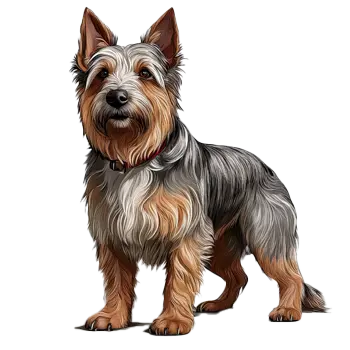

Play Style & Drive

Australian Terriers are tenacious, curious, and endlessly energetic — traits rooted in their heritage as working vermin hunters across the Australian outback. Their play style reflects this background. They are natural chasers, diggers, and shakers, and they approach toys with an intensity that belies their small size. Understanding these instincts is the key to selecting toys that genuinely satisfy rather than simply occupy.

This breed thrives on interactive play with their owners. While Australian Terriers can entertain themselves for short periods, they strongly prefer games that involve a human partner — tug sessions, chase games, and training-based play all rank high on the list. Solo play is important for times when you are busy, but it should supplement rather than replace hands-on engagement.

The Australian Terrier's prey drive means they are naturally drawn to toys that move erratically, make noise, or can be shaken and "killed." Squeaker toys, flirt poles, and toys on ropes all tap into this instinct. However, this same drive means an Aussie can become possessive over a favorite toy, so establishing early ground rules around sharing and drop commands is important for multi-pet households.

Mental stimulation is just as important as physical play for this intelligent breed. An Australian Terrier that is only exercised physically but not challenged mentally will find its own entertainment — often in ways you would prefer it did not. Incorporating puzzle-based play, scent games, and training exercises into the daily routine helps prevent boredom-driven behavior problems like excessive barking, digging, or chewing.

Interactive & Puzzle Toys

Puzzle toys are an excellent match for the Australian Terrier's sharp mind and problem-solving ability. These toys require the dog to manipulate compartments, slides, or levers to access hidden treats, providing mental exercise that can tire an Aussie out as effectively as a long walk. Start with beginner-level puzzles and progress to more complex designs as your dog masters each stage.

Treat-dispensing balls and wobble toys offer a simpler form of interactive play that still engages the brain. These toys release kibble or small treats as the dog rolls, nudges, or paws at them, turning mealtime into an enrichment activity. For Australian Terriers prone to eating too quickly, using a treat-dispensing toy as the primary feeding vessel can slow consumption and improve digestion.

Snuffle mats and scent-work toys tap into the breed's keen nose and hunting instincts. These products typically consist of fabric strips or compartments where treats can be hidden, encouraging the dog to forage and sniff rather than simply gulp down food. Scent-based enrichment is particularly calming and can help settle a restless Aussie during evenings or rainy days when outdoor exercise is limited.

Rotate puzzle toys regularly to maintain novelty. An Australian Terrier that has memorized the solution to a particular puzzle will lose interest quickly and may begin dismantling it out of frustration rather than engagement. Keeping a selection of three or four puzzles and cycling them weekly ensures that each one remains challenging and rewarding.

Chew Toys & Durability

Australian Terriers are determined chewers with surprisingly strong jaws for their size. Standard plush toys and thin rubber products often last only minutes before being disemboweled. When selecting chew toys, look for products specifically rated for moderate to aggressive chewers, even though this is a small breed. Reinforced stitching, double-layered fabrics, and solid rubber construction all extend toy life.

Natural rubber toys in small sizes are among the best options for sustained chewing. Look for products that can be stuffed with treats or frozen with peanut butter or wet food inside — the combination of chewing satisfaction and food reward creates an engaging experience that can occupy an Australian Terrier for extended periods. Freezing the stuffed toy adds an extra layer of challenge and extends the activity.

Nylon and hard rubber chew bones provide a long-lasting alternative for dogs that destroy softer materials instantly. Choose appropriately sized products — a chew that is too small poses a choking hazard, while one that is too large can be difficult for a small terrier to grip and manipulate comfortably. Avoid extremely hard materials like antlers or weight-bearing bones, which can fracture teeth even in small breeds.

Always inspect chew toys regularly for signs of wear. Small pieces that break off from deteriorating toys can be swallowed and cause intestinal blockages. Discard any toy that has developed sharp edges, exposed filling, or chunks missing from its surface. Establishing a routine of checking toys every few days helps catch problems before they become veterinary emergencies.

Fetch & Outdoor Toys

Fetch is a natural fit for the Australian Terrier's chase instinct, though their version of the game may differ from larger retrieving breeds. Many Aussies love the chase portion but are less enthusiastic about the return portion — a characteristic terrier trait that can be addressed through training. Small tennis balls, rubber fetch balls, and lightweight flying discs sized for small dogs all work well for this breed.

Miniature and small-sized balls are essential. Standard tennis balls can be too large for an Australian Terrier to grip comfortably, leading to jaw strain and reduced enjoyment. Look for balls specifically marketed for small breeds, typically around 1.5 to 2 inches in diameter. Avoid balls small enough to be swallowed — this breed is enthusiastic enough to attempt it with undersized toys.

Flirt poles are one of the most effective outdoor toys for Australian Terriers. These simple devices — essentially a pole with a rope and lure attached — allow you to simulate prey movement that triggers the Aussie's chase-and-capture instinct. A few minutes of vigorous flirt pole play can burn significant energy and satisfy prey drive in a controlled, directed way. They are also excellent tools for practicing impulse control and obedience during high-arousal states.

Tug toys designed for small dogs offer another excellent outdoor option. Look for rope toys or rubber tug toys proportioned for a small terrier's mouth and strength. Tug play strengthens the bond between dog and owner and provides a physical workout for the jaw, neck, and shoulders. Contrary to outdated training advice, tug does not encourage aggression — it is a cooperative game that reinforces rules when played with consistent boundaries.

Comfort & Companion Toys

While Australian Terriers are tough and spirited during play, many also have a softer side that emerges during downtime. Comfort toys — typically soft plush animals or stuffed figures — can serve as security objects for puppies adjusting to new homes, dogs coping with separation anxiety, or senior Aussies who enjoy gentler interactions. Not every Australian Terrier bonds with comfort toys, but those that do often develop strong attachments to a specific item.

For puppies, heartbeat-simulating toys can ease the transition away from littermates. These battery-operated plush toys emit a rhythmic pulse that mimics the sensation of sleeping beside another dog, helping reduce nighttime whining and stress during the first weeks in a new home. They are especially useful when combined with crate training.

If your Australian Terrier is a dedicated plush destroyer, look for comfort toys with reinforced seams and no small plastic eyes or noses that can be chewed off and swallowed. Some manufacturers produce "tough plush" lines that combine the soft, cuddly texture dogs enjoy with the structural reinforcement needed to withstand moderate chewing. These are a practical compromise for dogs that want to snuggle with their toy but also occasionally give it a good shake.

Comfort toys should be separate from active play toys in your rotation. Designating certain toys as calm-time items and others as play-session items helps your Australian Terrier learn contextual cues about expected behavior. Offering a comfort toy during crate time or evening wind-down reinforces the association between that object and relaxation.

DIY & Budget Options

Not every enrichment activity requires a store-bought product. Australian Terriers are enthusiastic participants in homemade games that engage their intelligence and instincts. A muffin tin with tennis balls placed over treats in each cup creates an instant puzzle toy. A cardboard box filled with crumpled paper and hidden kibble becomes a foraging station. An old towel knotted around a few treats produces a satisfying unwrapping challenge.

Frozen enrichment is one of the most cost-effective and time-consuming activities you can offer. Fill a silicone mold or small container with a mixture of water, low-sodium broth, and small treats, then freeze it overnight. The resulting frozen block gives your Aussie a licking, gnawing, and problem-solving project that can last thirty minutes or more. This is especially useful during warm weather when a cooling treat doubles as entertainment.

DIY flirt poles can be made from a length of PVC pipe, a few feet of rope, and a scrap of fleece or fabric tied to the end. The total cost is minimal, and the result is just as effective as commercial products for triggering chase and capture play. Replace the fabric lure as it wears out — a few scraps of old clothing can supply lures for months.

Safety is the primary consideration with any homemade toy or enrichment activity. Avoid materials that splinter, sharp edges, strings or ribbons long enough to be swallowed, and any item treated with chemicals or dyes. Supervise your Australian Terrier during DIY enrichment sessions until you are confident the activity does not present choking, ingestion, or entanglement risks. When in doubt, stick with food-based enrichment that dissolves or breaks down naturally.

Always consult a qualified professional before making any health-related decisions. This content is provided for informational reference only and should not replace professional guidance specific to your animal.