
Space Requirements

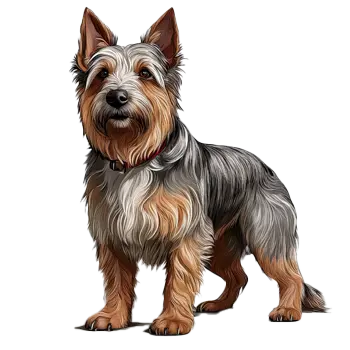
Australian Terriers are small dogs with big personalities, and they adapt remarkably well to a variety of living situations. Whether you live in an apartment, a townhouse, or a home with a large yard, this breed can thrive as long as its exercise and mental stimulation needs are met. Their compact size — typically standing around ten inches at the shoulder — means they do not need a sprawling estate, but they do need enough room to move freely and play indoors.

Despite their adaptability, Australian Terriers are not couch potatoes. They were originally bred to work as vermin hunters in the Australian outback, and that drive persists. Indoor space should include an area where your Aussie can play with toys, explore, and engage without constantly bumping into furniture or being confined to a single room. Open floor plans work well for this breed, and baby gates can help manage access to rooms with hazards.

If you have outdoor space, a securely fenced yard is ideal. Australian Terriers are diggers by nature and can excavate surprisingly deep holes in short order. Fencing should extend several inches below ground or include a buried barrier to prevent escape. A fence height of at least four feet is generally sufficient for this breed, though five feet provides an extra margin of security for particularly athletic individuals.

For apartment dwellers, daily walks and indoor play sessions are non-negotiable. A well-exercised Australian Terrier is a content Australian Terrier, and without adequate physical outlets, this breed can become destructive or develop nuisance barking habits. Designating a specific play area within the apartment and rotating toys can help keep indoor life stimulating.

Crates & Kennels

Crate training is widely recommended for Australian Terriers and serves multiple purposes — safe confinement during travel, a management tool during housetraining, and a personal retreat where your dog can rest undisturbed. The ideal crate size for an adult Australian Terrier is typically a 24-inch model, which provides enough room to stand, turn around, and lie down comfortably without being so large that it undermines housetraining efforts.

Wire crates offer excellent ventilation and visibility, which suits the Australian Terrier's alert and curious nature. Many wire models include a divider panel that allows you to adjust the interior space as your puppy grows, eliminating the need to purchase multiple crates. Collapsible wire crates are convenient for travel and storage, though they tend to be heavier than plastic alternatives.

Plastic airline-style crates provide a more enclosed, den-like environment that some Australian Terriers prefer. These crates are lighter, easier to clean, and meet most airline cargo requirements if you plan to fly with your dog. The reduced visibility can help anxious dogs feel more secure, though it may frustrate Aussies who prefer to keep an eye on household activity.

Soft-sided crates and fabric kennels are suitable for well-trained adult Australian Terriers in low-stress situations, but they are not recommended for puppies or dogs that chew. An Aussie with a determined streak can shred a fabric crate in minutes. Reserve soft crates for supervised use during travel, visits, or outdoor events where portability is the priority.

Beds & Sleeping Areas

Australian Terriers enjoy a comfortable sleeping spot and will often claim a favorite location in the house as their own. Providing a dedicated dog bed gives your Aussie a defined resting space and helps establish household boundaries. Bolster beds with raised edges are particularly popular with this breed, as many Australian Terriers like to curl up with their head resting on a cushioned rim.

Orthopedic beds with memory foam or supportive filling are a worthwhile investment, especially as your Australian Terrier ages. While the breed is generally sturdy, older dogs benefit from pressure-relieving surfaces that reduce strain on joints and muscles. Look for beds with removable, machine-washable covers — the Australian Terrier's rough coat can trap dirt and debris, and easy-clean covers help maintain hygiene without hassle.

Bed size matters more than many owners realize. A bed that is too large can feel exposed and insecure to a small terrier, while one that is too small forces uncomfortable sleeping positions. Measure your dog from nose to tail base and add a few inches in each direction to find the right fit. Most adult Australian Terriers do well with beds in the small to medium range, roughly 20 to 28 inches in length.

Placement is also important. Australian Terriers are social dogs that want to be near their people, so positioning a bed in a common area like the living room or bedroom encourages use. Avoid placing beds near drafty windows, heating vents, or high-traffic doorways. Some owners find that providing two beds — one in the main living area and one in the bedroom — accommodates the breed's desire to stay close to family throughout the day and night.

Outdoor Enclosures

Outdoor enclosures and exercise pens can give your Australian Terrier safe access to fresh air and sunshine without the risks of unsupervised roaming. Portable exercise pens — typically constructed from interlocking metal panels — create a temporary fenced area suitable for yard time, camping trips, or outdoor events. Choose a pen with panels at least 30 inches high, as Australian Terriers are agile and motivated climbers when something catches their interest.

For a more permanent outdoor setup, a dedicated dog run or enclosed kennel area attached to the house offers convenience and security. The enclosure should include a shaded area and a weather-resistant shelter or doghouse where your Aussie can retreat from sun, rain, or wind. Flooring options like pea gravel, rubber matting, or artificial turf are preferable to bare dirt, which Australian Terriers will enthusiastically excavate.

Dig-proofing is essential for any outdoor enclosure housing an Australian Terrier. Burying wire mesh or hardware cloth along the perimeter, extending at least twelve inches below the surface and angling outward, is one of the most effective deterrents. Some owners pour a shallow concrete footer along the fence line for a more permanent solution. Without dig-proofing measures, an industrious Aussie can tunnel under a fence in remarkably little time.

Never leave an Australian Terrier in an outdoor enclosure for extended periods without supervision. This breed craves human interaction and can develop anxiety or destructive behaviors if isolated. Outdoor enclosures work best as supervised play spaces and exercise areas rather than long-term confinement solutions. Always provide fresh water and check that the enclosure remains secure and free of hazards before each use.

Climate Considerations

The Australian Terrier's double coat — a harsh, straight outer coat over a soft, dense undercoat — provides reasonable protection against moderate cold and helps insulate against heat to some degree. However, this breed is not built for extreme weather at either end of the spectrum. In cold climates, Australian Terriers can handle brisk temperatures for walks and outdoor play but should not be left outside for prolonged periods in freezing conditions. A lightweight dog coat or sweater can provide extra warmth during winter outings.

Heat presents a more significant concern. Small dogs can overheat faster than larger breeds because of their proximity to hot pavement and their relatively high surface-area-to-mass ratio. During summer months, provide access to cool, shaded resting spots and avoid outdoor exercise during peak heat hours. Indoor climate control — whether air conditioning or fans and cool tile floors — is important for keeping your Aussie comfortable.

Indoor humidity levels also affect comfort and health. Extremely dry air, common in homes with forced-air heating during winter, can dry out your dog's skin and coat. A room humidifier in the area where your Australian Terrier sleeps can help mitigate this. Conversely, very humid environments may contribute to skin issues or hot spots, so good ventilation and regular grooming are important in muggy climates.

Bedding choices should reflect the season. Elevated mesh cot-style beds promote airflow in warm weather, while plush, insulated beds retain warmth in winter. Some owners rotate between seasonal bed types to keep their Australian Terrier comfortable year-round. Regardless of climate, always ensure your dog has access to fresh water and a comfortable indoor retreat.

Multi-Pet Households

Australian Terriers can coexist well with other dogs, particularly when properly socialized from a young age, but their terrier confidence means introductions and living arrangements require thoughtful planning. This breed has a strong prey drive and may not be suitable for homes with small animals like hamsters, guinea pigs, or rabbits unless strict separation is maintained at all times. Even well-socialized Aussies may view small pets as targets rather than companions.

When sharing a home with other dogs, each animal should have its own designated sleeping area, food station, and retreat space. Australian Terriers can be possessive over resources, and separate feeding locations help prevent food-guarding conflicts. Crate training each dog individually ensures that everyone has a private den for downtime, reducing tension in shared spaces.

Introductions to resident cats require patience and controlled exposure. Some Australian Terriers learn to coexist peacefully with cats, particularly if raised together, but the breed's instinct to chase small, fast-moving animals can make the adjustment period challenging. Use baby gates to create separate zones and allow supervised interactions before granting full household access. Never force interactions, and always provide the cat with elevated escape routes.

In homes with multiple dogs, monitor play dynamics carefully. Australian Terriers are bold and may attempt to dominate dogs much larger than themselves, which can lead to conflict if the larger dog does not tolerate assertive behavior. Structured play sessions with clear boundaries work better than unsupervised free-for-alls. Providing ample toys, chews, and enrichment activities for each dog reduces competition and keeps everyone occupied.

Always consult a qualified professional before making any health-related decisions. This content is provided for informational reference only and should not replace professional guidance specific to your animal.