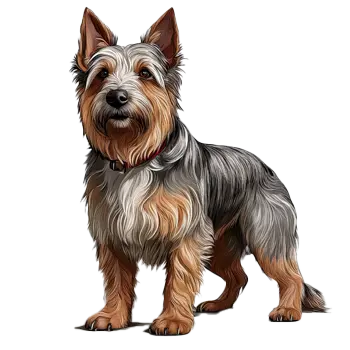

Collars, Harnesses & Leashes

Choosing the right collar for an Australian Terrier starts with understanding the breed's build and behavior on leash. A flat buckle or snap collar in a small size — typically 10 to 14 inches in circumference — works well for carrying identification tags and for everyday wear around the house. Look for adjustable collars made from durable nylon or leather that sit comfortably without matting the Aussie's distinctive ruff of longer fur around the neck.

For walks and training, a harness is often a better choice than a collar for this breed. Australian Terriers are alert and reactive to environmental stimuli — squirrels, birds, other dogs — and can lunge suddenly with surprising force. A well-fitted harness distributes that force across the chest and shoulders rather than concentrating it on the trachea. Front-clip harnesses offer the added benefit of gently redirecting pulling behavior without the choking risk of corrective collars.

Leash selection should match the Aussie's size and your walking environment. A standard six-foot leash in a lightweight material provides enough freedom for comfortable walking without excessive slack. Retractable leashes are popular but carry risks — the thin cord can cause rope burns, the locking mechanism can fail, and the extended length gives an Aussie enough room to dart into traffic or confront another dog before you can react. If you enjoy giving your dog more roaming room, a long training lead in a safe open area is a better option.

Martingale collars are a reasonable middle ground for Australian Terriers that tend to back out of standard flat collars. These limited-slip designs tighten gently when the dog pulls but cannot cinch beyond a set point, preventing escape without causing discomfort. They are particularly useful during walks in unfenced areas where a loose dog could encounter hazards.

Grooming Tools

The Australian Terrier's double coat — a rough, straight outer layer over a soft, dense undercoat — requires regular grooming to maintain its texture and prevent matting. A pin brush or slicker brush used two to three times per week is sufficient for routine coat maintenance. Work through the coat in sections, paying special attention to the longer furnishings on the legs, chest, and around the ears where tangles are most likely to form.

A steel comb with both wide and fine teeth is an essential companion tool. After brushing, run the comb through the coat to detect any remaining tangles or mats close to the skin that the brush may have missed. The fine-tooth side is especially useful for checking behind the ears and under the front legs — common trouble spots for small terrier breeds.

Hand-stripping is the traditional grooming method for Australian Terriers and preserves the correct harsh texture of the outer coat. Stripping involves pulling dead hairs from the coat by hand or with a stripping knife, rather than cutting them with clippers. While many pet owners choose professional grooming or clipping for convenience, regular stripping produces a healthier coat with better color and weather resistance. If you plan to hand-strip at home, a quality stripping knife with a comfortable grip and appropriate tooth spacing is essential.

Nail maintenance is an often-overlooked grooming essential. Australian Terriers' nails grow quickly and should be trimmed every two to three weeks to prevent overgrowth, splitting, and changes to gait. A small guillotine-style or scissor-style nail clipper designed for small breeds, or a rotary nail grinder with a small-dog guard, makes the task manageable. Keep styptic powder on hand in case of accidental quick nicks.

Bowls & Feeders

The right food and water bowls may seem like a minor detail, but they affect your Australian Terrier's eating habits, hygiene, and comfort. Stainless steel bowls are the gold standard — they are durable, easy to sanitize, resistant to bacterial buildup, and do not retain odors. Avoid plastic bowls, which can harbor bacteria in surface scratches and may cause contact dermatitis on the chin and muzzle in sensitive dogs.

Ceramic bowls are an attractive alternative that offers weight and stability — useful for a breed that can push lightweight bowls across the floor during enthusiastic eating. Choose ceramic bowls with a lead-free, food-safe glaze and inspect them regularly for chips or cracks where bacteria can accumulate. Weighted or rubber-bottomed stainless steel bowls provide the same anti-slide benefit without the breakage risk.

Elevated feeders are a topic of ongoing discussion in the dog world. For Australian Terriers, a slightly raised bowl — two to four inches off the ground — can promote a more comfortable eating posture, particularly for older dogs with neck or back stiffness. However, dramatically elevated feeders are unnecessary for a breed of this size and may even encourage swallowing air during meals. A low-profile raised stand is generally sufficient.

Automatic water dispensers and gravity-fed water bowls help ensure your Australian Terrier always has access to fresh water, which is especially important if you work away from home during the day. Fountain-style water dispensers that circulate and filter water can encourage drinking in dogs that are reluctant to drink from a still bowl. Whatever you choose, clean and refill water vessels daily to prevent bacterial growth and algae formation.

Travel Gear

Australian Terriers are compact enough to be excellent travel companions, and the right gear makes car trips, flights, and outings smoother for everyone. A crash-tested travel crate or carrier that fits securely on a car seat is the safest option for vehicle travel. For short trips, a car harness that attaches to the seatbelt system provides restraint without full confinement, though it does not offer the same level of protection as a rigid crate in a collision.

For air travel, a soft-sided airline-approved carrier that fits under the seat in front of you allows your Australian Terrier to fly in the cabin on most domestic carriers. Check the specific airline's size requirements well in advance — maximum carrier dimensions vary, and a carrier that fits one airline's requirements may not meet another's. Acclimate your dog to the carrier over several weeks before the trip by using it as a resting spot at home with the door open and treats inside.

Portable water bottles with attached bowl dispensers, collapsible silicone travel bowls, and clip-on waste bag dispensers are small investments that make a noticeable difference during outings. A compact travel kit containing your dog's regular food, any medications, copies of vaccination records, and a recent photo can be a lifesaver during extended trips or in case your dog becomes separated from you.

For hiking and outdoor adventures, a small dog backpack can let your Australian Terrier carry a portion of its own supplies — water, treats, and waste bags — while adding a sense of purpose that this working breed enjoys. Choose a pack with an ergonomic fit and adjustable straps that distribute weight evenly across the torso. Keep the load light — no more than ten to fifteen percent of the dog's body weight.

Safety & ID

Identification is the single most important safety accessory for any dog. Your Australian Terrier should wear a collar tag with your current phone number and address at all times. Even microchipped dogs benefit from visible ID, as a collar tag can be read immediately by anyone who finds a loose dog, while a microchip requires a scanner. Choose a durable, engraved metal tag rather than a printed one — printed tags can fade or become illegible over time.

Microchipping is a permanent form of identification that cannot be lost, removed, or damaged. The procedure is quick and minimally invasive, and most veterinarians and shelters can scan for chips. Register your contact information with the chip manufacturer's database and update it whenever you move or change phone numbers. A microchip is only as useful as the registration linked to it.

Reflective and LED accessories are important safety additions for dogs that are walked during dawn, dusk, or nighttime hours. Reflective collar strips, leash attachments, and clip-on LED lights increase your Australian Terrier's visibility to drivers, cyclists, and other pedestrians. Given this breed's small stature and dark coat coloring, visibility aids are especially worthwhile during low-light conditions.

For Australian Terriers that spend time in unfenced outdoor areas, a long-line leash and a secure tie-out stake provide a measure of safety while allowing freedom to explore. Never leave a dog unattended on a tie-out, as entanglement and strangulation are real risks. GPS tracking collars, covered in the tech section of this guide, offer an additional layer of security for owners who want real-time location data on a dog with a talent for finding escape routes.

Seasonal Gear

Australian Terriers are hardy for their size, but seasonal gear can enhance their comfort and safety throughout the year. In winter, a lightweight, water-resistant coat or jacket provides extra insulation during cold-weather walks without restricting movement. Look for designs that cover the chest and belly — areas with thinner fur coverage — while leaving the legs free for natural gait. Avoid bulky coats that overwhelm the Aussie's compact frame or cause overheating during active walks.

Paw protection is relevant in both hot and cold weather. In winter, ice, snow, and road salt can crack and irritate paw pads, and salt ingestion from paw licking can cause digestive upset. A paw balm applied before walks creates a protective barrier, while booties provide more comprehensive coverage for dogs that tolerate them. In summer, hot pavement can burn paw pads in seconds — if the ground is too hot for the back of your hand, it is too hot for your dog's feet.

Cooling gear helps Australian Terriers manage warm weather more comfortably. Cooling vests, bandanas, and mats use evaporative technology or gel inserts to lower body temperature during outdoor activity. These products are especially useful for Aussies that enjoy long walks or outdoor play sessions in summer. Always provide access to shade and fresh water in addition to cooling gear, as no product replaces the basics of heat safety.

Rain gear can make wet-weather walks more pleasant for both you and your dog. A lightweight, waterproof jacket keeps the Australian Terrier's coat drier and reduces the post-walk grooming effort. This breed's rough coat is somewhat water-resistant on its own, but a prolonged walk in heavy rain will soak through to the undercoat. Quick-dry towels kept near the door make cleanup faster and help prevent that lingering wet-dog smell from permeating your home.

Always consult a qualified professional before making any health-related decisions. This content is provided for informational reference only and should not replace professional guidance specific to your animal.