
Grooming Tools

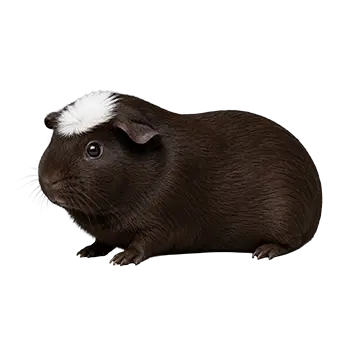
White Crested guinea pigs have short, smooth coats that require considerably less grooming than long-haired breeds like Peruvians or Shelties, but they are far from maintenance-free. A basic grooming routine keeps the coat clean, allows you to check for skin issues and parasites, and strengthens the bond between owner and guinea pig through regular gentle handling. The essential grooming toolkit for a White Crested is compact: a soft-bristle brush, small nail clippers, and a fine-toothed comb for occasional detail work around the distinctive white crest.

Brushing once or twice a week is sufficient for the White Crested's short coat. A soft-bristle brush or a small rubber grooming mitt removes loose hair, distributes natural skin oils, and provides a gentle massage that most guinea pigs learn to enjoy. During seasonal shedding periods, which typically occur in spring and autumn, more frequent brushing helps manage the increased hair loss and prevents loose fur from accumulating in the cage bedding.

Nail trimming is the grooming task that most guinea pig owners find intimidating, but it is essential. Guinea pig nails grow continuously and, without regular trimming, can curl into the footpad causing pain, infection, and difficulty walking. Most White Crested guinea pigs need their nails trimmed every three to four weeks. Small animal nail clippers with a guillotine or scissor design are both effective. The critical technique is identifying the quick — the blood vessel visible as a pink line inside lighter-colored nails — and cutting two to three millimeters below it. For guinea pigs with dark nails where the quick is not visible, trim conservatively and have styptic powder on hand in case of accidental nicking.

Bathing should be infrequent, limited to situations where the guinea pig is genuinely soiled and spot cleaning is insufficient. Guinea pigs can become chilled very easily when wet, and frequent bathing strips their skin of protective oils, leading to dryness and irritation. When bathing is necessary, use lukewarm water no deeper than an inch or two, a small-animal or mild unscented shampoo, and dry the guinea pig thoroughly with a towel immediately afterward. Keep the guinea pig in a warm, draft-free area until completely dry.

Water Bottles & Bowls

Reliable access to clean, fresh water is as fundamental as food for guinea pig health, and the delivery system you choose has practical implications for hygiene, convenience, and your guinea pig's drinking behavior. The two primary options are bottle-mounted sipper tubes and open water bowls, and many experienced owners use both simultaneously to ensure uninterrupted hydration even if one system fails.

Water bottles with ball-bearing sipper tubes are the most common hydration solution for guinea pigs. They keep water clean and free from bedding contamination, are easy to monitor for consumption levels, and mount securely to cage walls or grid panels. When selecting a bottle, look for a capacity of at least twelve to sixteen ounces for a pair of guinea pigs, a stainless steel sipper tube rather than plastic, and a leak-resistant ball bearing mechanism. Glass bottles are preferable to plastic because they are easier to clean thoroughly and do not develop the scratches that can harbor bacteria over time.

Water bowls offer a more natural drinking posture and some guinea pigs seem to prefer lapping from an open surface. However, bowls are easily contaminated with bedding, hay, droppings, and food particles, requiring multiple water changes throughout the day. Heavy ceramic bowls or stainless steel bowls with non-slip bases minimize tipping. If you use a bowl as the primary water source, position it on a raised platform or in a corner away from the main bedding area to reduce contamination.

Regardless of which system you use, water should be changed daily with a thorough rinse and refill. Bottles should be disassembled and cleaned with a bottle brush at least every three days, with particular attention to the sipper tube where algae and bacterial biofilms tend to accumulate. Hard water deposits can clog ball bearings over time, so periodic soaking in a diluted vinegar solution helps maintain proper flow. Always test the sipper after refilling by pressing the ball bearing to confirm water releases freely — a stuck bearing can silently deprive your guinea pig of water for hours before you notice.

Hay Racks & Feeders

Because hay constitutes the vast majority of a guinea pig's diet, the system you use to present it significantly affects consumption, waste, and cage cleanliness. Hay simply piled on the cage floor gets trampled, soiled, and wasted rapidly, driving up costs and creating a hygiene problem. A well-designed hay rack elevates the hay above the substrate, keeping it clean and encouraging the guinea pig to pull strands out individually, which provides gentle dental exercise in addition to nutrition.

Wall-mounted hay racks are the most space-efficient option and work well in both grid-and-coroplast setups and commercial cages. Look for designs with wide openings that allow your guinea pig to access hay without straining and bars spaced closely enough to prevent a curious pig from climbing inside and becoming stuck. Some owners prefer fabric hay bags that hang from the cage wall, which are easy to refill and machine washable, though they do need regular inspection for chewed-through seams.

Ground-level hay feeders suit guinea pigs that are reluctant to eat from elevated racks, including older animals with reduced mobility or pigs that have never been introduced to wall-mounted systems. A wide, shallow basket or tray placed directly on the bedding serves this purpose, though it will require more frequent replenishment and cleaning than an elevated rack. Placing the ground feeder on a small tile or placemat beneath it simplifies cleanup by containing scattered hay fragments.

For pellets and fresh vegetables, small ceramic bowls are the best option. Their weight prevents tipping, the glazed surface resists bacterial absorption, and they are dishwasher safe for thorough sanitation. Avoid plastic food bowls, which guinea pigs will gnaw on, ingesting plastic fragments while also creating rough edges that can cut mouths and lips. Stainless steel bowls are a durable alternative, though lighter models may be pushed around the cage. One food bowl per guinea pig, plus a communal vegetable dish, prevents competition-related stress in multi-pig households.

Carriers & Travel Gear

Every guinea pig owner needs a suitable carrier for veterinary visits, and having one ready before an emergency arises can save critical time during urgent situations. A good guinea pig carrier is well-ventilated, secure, easy to clean, and sized appropriately — large enough for the guinea pig to turn around and lie down comfortably, but not so spacious that the animal slides around during transport.

Hard-sided plastic carriers designed for small animals or cats are the most practical option for veterinary trips. They are sturdy enough to protect the guinea pig during car travel, easy to sanitize between uses, and feature secure latching mechanisms that prevent accidental opening. Top-loading carriers are strongly preferred over front-loading designs because guinea pigs resist being pushed headfirst into an enclosure, and reaching down from above to lift them out is far less stressful for both the animal and the handler.

Soft-sided carriers and fabric tote-style carriers are available and can be useful for short trips, but they offer less structural protection and are more difficult to clean after inevitable accidents during transport. If you choose a soft carrier, look for one with a rigid bottom panel, multiple ventilation panels, and a secure zipper closure. Mesh panels should be fine enough that a guinea pig cannot chew through them or push a nose out far enough to escape.

Preparing the carrier for transport is as important as the carrier itself. Line the bottom with a folded towel or fleece pad for traction and comfort, and include a small handful of hay for the guinea pig to nibble during the trip. During cold weather, a towel draped over the carrier provides insulation and reduces visual stimulation that can increase anxiety. In warm weather, ensure the carrier never sits in direct sunlight and consider placing a small ice pack wrapped in fabric beneath the towel liner. Guinea pigs traveling in pairs should ideally share a carrier, as the presence of a companion significantly reduces transport stress compared to traveling alone.

Cleaning Supplies

Maintaining a clean living environment is one of the most impactful things you can do for your White Crested guinea pig's health. Ammonia from accumulated urine is the primary environmental health threat in a guinea pig enclosure, capable of causing chronic respiratory irritation that progresses to full-blown upper respiratory infection if exposure is prolonged. A consistent cleaning schedule, supported by the right supplies, prevents ammonia buildup and keeps your guinea pig's living space comfortable and safe.

Daily spot cleaning is the foundation of cage maintenance. A small dustpan and brush or a handheld scoop allows you to quickly remove soiled bedding patches, droppings clusters, and uneaten fresh food without disturbing the entire cage setup. For fleece liner systems, an absorbent cloth or paper towel is used to blot wet spots, and a small handheld vacuum designed for pet hair can efficiently collect loose hay and debris from the fleece surface between full washes.

Full cage cleaning should occur at least once a week for disposable bedding systems and every three to four days for fleece liners, though the actual frequency depends on the number of guinea pigs, the cage size, and the ambient temperature. During a full clean, all bedding is removed, the cage base is wiped down with a pet-safe disinfectant or a diluted white vinegar solution, and fresh bedding is installed. Avoid cleaning products that contain phenols, pine oils, bleach, or strong fragrances, all of which can irritate a guinea pig's sensitive respiratory system. White vinegar diluted to a fifty-fifty ratio with water is an effective, inexpensive, and guinea pig-safe sanitizer for most surfaces.

Having a designated set of cleaning tools exclusively for the guinea pig cage streamlines the process and prevents cross-contamination with household cleaning supplies. A dedicated spray bottle for your vinegar solution, a set of microfiber cloths, a small scrub brush for water bottles and bowls, and a bag of backup bedding or a rotation of clean fleece liners ensures you are always prepared for both routine maintenance and unexpected messes.

Seasonal & Situational Gear

Certain accessories become essential during specific seasons or life situations, and having them available before they are needed saves both time and stress. Summer heat management is the most critical seasonal concern for guinea pig owners, as cavies are extremely susceptible to heatstroke. Ceramic cooling tiles, marble slabs, or granite trivets placed in the cage provide a naturally cool resting surface that guinea pigs learn to seek out when ambient temperatures rise. These products retain coolness well below room temperature and can be further chilled in the refrigerator before placement.

Winter introduces the opposite challenge. While indoor guinea pigs rarely face genuinely dangerous cold, cooler rooms can reduce activity levels and increase susceptibility to respiratory illness. Fleece cuddle sacks, padded cage liners, and snuggle-safe heat discs designed for small animals can supplement the ambient temperature. Microwavable heat discs hold warmth for several hours and provide a cozy spot for guinea pigs to curl up against during chilly evenings. Always wrap heat discs in fabric to prevent direct contact burns and follow the manufacturer's heating instructions precisely.

For guinea pigs recovering from illness or surgery, a few specialized accessories make the convalescence period more manageable. Syringe feeding kits, critical care recovery food designed for herbivores, and shallow-sided recovery pens keep a compromised guinea pig comfortable and fed while limiting unnecessary movement. Having these items on hand before an emergency occurs means you can begin supportive care immediately rather than scrambling to find supplies while your guinea pig is in distress.

Outdoor enclosures or playpens allow guinea pigs to experience fresh air and natural grass grazing during mild weather, which is excellent enrichment. However, outdoor time requires constant supervision due to predator risks from birds, cats, dogs, and even insects. An outdoor playpen should have a solid mesh top, a secure base that prevents digging escape, and access to both shade and a hide. Never leave guinea pigs outdoors unattended, even briefly, and avoid outdoor time when temperatures exceed seventy-five degrees or drop below sixty degrees Fahrenheit.

Always consult a qualified professional before making any health-related decisions. This content is provided for informational reference only and should not replace professional guidance specific to your animal.