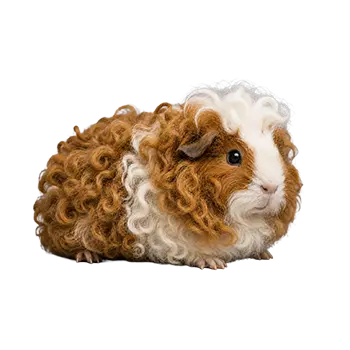

Play Style & Behavior

Peruvian guinea pigs are naturally curious and social animals whose play style revolves around exploration, foraging, and gentle interaction with their environment. Unlike more high-energy small animals such as hamsters or rats, guinea pigs do not climb, spin wheels, or perform acrobatic feats. Their enrichment needs center on ground-level activities that encourage movement, investigation, and problem-solving without placing demands on agility or coordination.

The Peruvian's long coat introduces a practical consideration that affects toy selection. Toys with small openings, protruding wires, hooks, or rough textures can snag and tangle the hair, causing discomfort and potentially pulling out clumps of fur. Every toy placed in a Peruvian's enclosure should be evaluated for smooth surfaces, wide entry points, and the absence of any component that could catch on flowing hair during normal use.

Guinea pigs are most active during dawn and dusk, and enrichment activities timed to these periods tend to produce the most engagement. A Peruvian that seems inactive during the middle of the day is not necessarily bored—it may simply be resting in its natural rhythm. Observing your guinea pig's behavior patterns over several days will reveal when it is most receptive to new toys and interaction.

Social play is a significant component of guinea pig enrichment. Peruvians housed with a compatible companion will chase, popcorn, and vocalize in ways that solitary guinea pigs rarely do. While toys and environmental features are important, they cannot fully replace the stimulation provided by another guinea pig. For single Peruvians, increased human interaction and more frequent floor time become essential to prevent boredom and lethargy.

Foraging & Puzzle Toys

Foraging is the most natural and mentally engaging activity for a guinea pig, and puzzle toys that require the animal to work for its food tap into deep-seated instincts. Simple foraging setups can be as basic as scattering pellets or small vegetable pieces in a pile of hay, forcing the guinea pig to dig and search rather than eat from an open bowl. This extends feeding time, provides exercise, and keeps the Peruvian mentally active.

Commercial foraging toys designed for small animals typically involve balls, rollers, or containers with openings through which the guinea pig must manipulate food. When selecting these products for a Peruvian, ensure the openings are large enough that hair cannot get pulled inside the mechanism. Smooth plastic or untreated wood designs with wide slots are safer than metal-grid or spring-loaded alternatives.

Hay-stuffed toys serve dual purposes by encouraging foraging behavior and promoting essential hay consumption. Woven grass balls, hay-filled cardboard tubes, and simple paper bags stuffed with timothy hay give the guinea pig something to tear apart, chew, and explore. These are inexpensive, easily replaced, and pose minimal risk to the Peruvian's long coat as long as any binding material such as twine or ribbon is removed before offering.

Rotating foraging challenges keeps the Peruvian engaged over time. Guinea pigs can lose interest in a toy that has been in their enclosure continuously for several days. Introducing a foraging toy for two or three days, removing it for a week, and then reintroducing it maintains novelty. Changing the location of food sources within the enclosure also encourages exploration and prevents the guinea pig from settling into a completely sedentary routine.

Chew Toys & Dental Health

Guinea pig teeth grow continuously throughout their lives, and consistent chewing is necessary to keep them worn to a healthy length. While hay provides the majority of dental wear, chew toys offer supplemental grinding activity and enrichment. Untreated wood blocks, apple wood sticks, and willow branches are popular natural chew options that most guinea pigs find appealing and that provide a satisfying texture.

Wood safety is a primary concern when selecting chew toys. Only woods that are confirmed safe for guinea pigs should be offered. Apple, pear, willow, birch, and kiln-dried pine are generally considered acceptable. Cedar, cherry, plum, peach, and redwood are toxic and must be avoided entirely. Any wood offered should be untreated, unpainted, and free of pesticides. When in doubt about a wood type, do not offer it.

Mineral and salt licks are commonly sold alongside chew toys, but their necessity is debated among cavy experts. A guinea pig receiving a balanced diet with quality pellets and fresh vegetables typically gets adequate minerals without supplementation. Salt licks in particular can lead to excessive sodium intake if the guinea pig develops a habit of licking frequently. If a mineral supplement is desired, consult a veterinarian before introducing one.

For Peruvians, the physical design of chew toys matters as much as the material. Avoid toys with chains, metal clips, or small hanging components that can catch in long hair. Freestanding or ground-level chew items are preferable to suspended toys. A simple apple wood stick laid on the cage floor or a wooden tunnel that doubles as a chew surface and hideout are effective choices that keep hair out of harm's way.

Tunnels & Exploration

Tunnels are among the most universally enjoyed toys for guinea pigs of all breeds, and Peruvians are no exception. Running through tunnels, pausing inside them to rest, and using them as alternate hideouts all provide physical and mental stimulation. The key requirement for Peruvians is tunnel diameter—a tunnel must be wide enough that the guinea pig's long coat does not drag against the interior walls and create friction or tangles.

Fabric tunnels are a strong choice for long-haired breeds because the smooth interior surface does not snag hair. Look for tunnels with a reinforced structure that holds their shape without the guinea pig's weight collapsing them. Machine-washable fabric tunnels are especially practical, as they can be cleaned regularly to prevent the accumulation of urine, hay dust, and loose hair.

Cardboard tunnels and tubes offer an inexpensive and disposable alternative. Paper towel rolls are too small for adult guinea pigs, but large mailing tubes or purpose-made cardboard tunnels provide ample space. These have the added benefit of being chewable, which contributes to dental health. Replace cardboard tunnels once they become soiled or structurally compromised, typically every few days depending on how aggressively the guinea pig chews.

Creating a tunnel network or obstacle course during supervised floor time encourages extended exploration and exercise. Connecting multiple tunnels, draping fleece over chair legs to create passages, and placing small treats along the route give the Peruvian incentive to move through the course. This type of structured enrichment is particularly valuable for single guinea pigs that do not benefit from the social stimulation of a cage mate.

Floor Time & Open Play

Floor time is a critical enrichment activity that gives Peruvian guinea pigs space to run, explore, and interact with their owners in a larger environment than their enclosure allows. A dedicated play area can be created using a folding exercise pen or a guinea-pig-proofed room with all electrical cords, toxic plants, and small objects removed. The floor should be covered with a washable blanket, old sheet, or waterproof mat to protect both the flooring and the Peruvian's coat.

During floor time, scatter a variety of safe objects for the guinea pig to investigate. Crumpled paper balls, small wooden bridges, fleece strips, and overturned boxes with entry holes cut into the sides all provide interest. Avoid anything with small removable parts that could be swallowed. For Peruvians, ensure the play area floor is smooth and free of debris that could tangle in the coat—carpet fibers, loose threads, and wood chips are common culprits.

Supervision during floor time is non-negotiable. Guinea pigs can move quickly when startled, and a Peruvian's long coat can obscure its position or become caught on furniture. Other household pets should be removed from the area entirely, even if they seem disinterested. A dog or cat that has ignored a guinea pig for months can react unpredictably to the movement and sounds of an active cavy.

Floor time sessions of thirty to sixty minutes daily are sufficient for most Peruvians, though some will happily explore for longer. Consistency matters more than duration—a shorter daily session is more beneficial than an occasional long one. Many owners find that scheduling floor time in the early evening aligns with the guinea pig's natural activity peak and makes the interaction more engaging for both animal and human.

DIY & Budget Options

Some of the most effective guinea pig toys cost nothing at all and can be assembled from household items in minutes. A brown paper lunch bag stuffed with hay becomes a foraging toy and a destructible shelter in one. Cardboard boxes with entry holes cut on two sides serve as hideouts, chew toys, and exploration stations. Toilet paper rolls stuffed with hay and folded at the ends create simple treat dispensers that most guinea pigs figure out quickly.

Fabric scraps and old towels can be repurposed into tunnel liners, cuddle sacks, and draped play structures. For Peruvians, use only fabrics with tight weaves that will not shed loose threads, as frayed material can wrap around toes or tangle in long hair. Fleece is the ideal DIY fabric because it does not fray when cut and provides a smooth surface that slides over the Peruvian's coat without catching.

Kitchen and pantry items offer additional creative possibilities. A ceramic ramekin turned upside down with a treat placed underneath challenges the guinea pig to nudge and flip it. A shallow baking dish filled with a thin layer of water and floating vegetable slices creates a simple splash-and-forage station, though not all guinea pigs enjoy water play and Peruvians should only attempt this if their coat can be dried promptly afterward.

The most important principle of DIY toy creation is safety. Every homemade toy should be inspected for sharp edges, small detachable components, toxic adhesives, and unstable construction. Avoid using glue, staples, tape, or rubber bands, as guinea pigs will chew on anything in their environment and ingesting these materials can cause intestinal blockages. When in doubt, simpler is better—a plain cardboard tube is safer and often more entertaining than an elaborate construction with multiple components.

Always consult a qualified professional before making any health-related decisions. This content is provided for informational reference only and should not replace professional guidance specific to your animal.