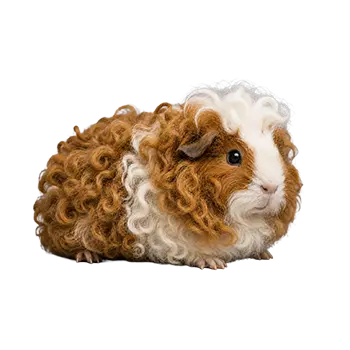

Grooming is the single most important daily commitment for a Peruvian guinea pig owner, and having the right tools makes the process efficient and comfortable for both human and animal. A wide-toothed metal comb is the primary tool for working through the Peruvian's long, silky coat. Unlike brushes, which can pull and break fine hair, a wide-toothed comb glides through the coat and detects tangles before they become mats. Start at the tips of the hair and work upward toward the skin in small sections to minimize discomfort.
A soft-bristle brush is useful as a finishing tool after combing. It smooths the coat, distributes natural oils along the hair shaft, and removes fine dust and loose hair that the comb misses. Slicker brushes, which are common in dog grooming, are generally too aggressive for guinea pig hair and can scratch the delicate skin underneath. If a slicker brush is used at all, it should be the gentlest variety available and applied with very light pressure.
Small, rounded-tip scissors are essential for trimming the Peruvian's coat to a manageable length, especially around the hindquarters where soiling is most likely. Many pet owners who are not showing their Peruvian keep the coat trimmed to a few inches to reduce grooming time and improve hygiene. Scissors with rounded tips reduce the risk of accidental nicks during trimming, as guinea pigs can shift suddenly when being handled.
Nail clippers designed for small animals round out the grooming toolkit. Guinea pig nails grow continuously and need trimming every three to four weeks. Overgrown nails curve and can catch in bedding, fleece, or the guinea pig's own coat, causing pain and potential injury. A small pair of clippers with a guard or a quick-sensing light helps prevent cutting into the blood vessel inside the nail. Styptic powder should be kept on hand in case of accidental bleeding.