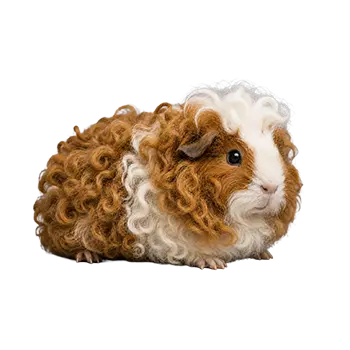

Peruvian guinea pigs need generous living space not only for exercise and mental stimulation but also to keep their long, flowing coats in good condition. A single Peruvian requires a minimum of seven and a half square feet of cage floor space, while a pair needs at least ten and a half square feet. These are true minimums, and most experienced owners find that larger enclosures produce happier, healthier, and better-socialized cavies with fewer behavioral problems.
Floor space matters far more than vertical height for guinea pigs, which are ground-dwelling animals that do not climb. A wide, open layout allows room for separate zones dedicated to eating, sleeping, playing, and eliminating. For Peruvians specifically, ample floor area reduces the amount of time their coat spends pressed against soiled bedding, which is one of the primary causes of matting and skin irritation in long-haired breeds.
Multi-level cages marketed for guinea pigs are generally not ideal. Ramps and elevated platforms create fall risks for a breed whose long hair can catch underfoot and obscure vision. If a second level is used, it should be low, gently sloped, and fully enclosed with solid flooring rather than wire. A single spacious ground-level enclosure is almost always the better choice for Peruvians.
Placement within the home affects the guinea pig's comfort and safety. Choose a room with stable temperatures between sixty-five and seventy-five degrees Fahrenheit, away from direct sunlight, heating vents, and drafts. Guinea pigs are social animals that benefit from being in a commonly used area of the home where they can observe household activity without being subjected to sudden loud noises or the attention of other pets.