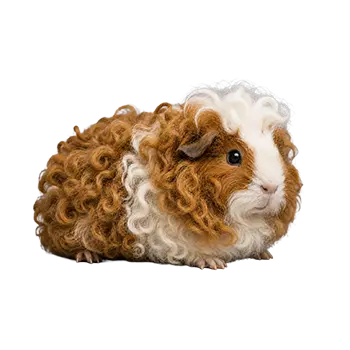

Nutritional Needs

Peruvian guinea pigs have the same core dietary requirements as all cavies, but their exceptionally long coat places additional demands on their nutritional intake. A diet rich in vitamin C is non-negotiable, as guinea pigs cannot synthesize this vitamin on their own and deficiency leads to scurvy, poor coat condition, and weakened immunity. For Peruvians, whose flowing hair is a direct reflection of internal health, consistent vitamin C intake is especially visible in the texture and luster of their fur.

Timothy hay should form the foundation of a Peruvian's diet, comprising roughly eighty percent of daily intake. The high fiber content keeps the continuously growing teeth worn down to a healthy length and maintains proper gut motility. Without adequate hay consumption, digestive stasis can develop rapidly and become life-threatening. Peruvians that spend time foraging through loose hay also benefit from the mild physical activity it encourages.

Beyond hay and vitamin C, Peruvians need a balanced combination of fresh vegetables, a measured portion of quality pellets, and constant access to clean water. Their caloric needs are moderate, but the protein and biotin demands of maintaining a coat that can grow over a foot in length mean that nutritional gaps show up faster in this breed than in short-haired varieties. Owners who notice dull, brittle, or thinning hair should evaluate the diet before considering other causes.

Fat intake is another consideration that often goes overlooked. While guinea pigs are not high-fat animals by nature, a small amount of dietary fat supports skin elasticity and coat sheen. Seeds and nuts are too fatty and pose choking hazards, so fat should come from naturally occurring levels in quality pellets and occasional servings of vegetables like bell peppers and romaine that offer complementary micronutrients.

What to Look For

When selecting pellets for a Peruvian guinea pig, the ingredient list matters more than the packaging. Look for timothy-hay-based pellets that are fortified with stabilized vitamin C. Avoid mixes that contain seeds, dried fruit, colored pieces, or yogurt drops, as these are filler ingredients that contribute to obesity and selective feeding habits. A plain, uniform pellet ensures consistent nutrition in every bite.

Hay quality varies significantly between products. The best timothy hay is green, fragrant, and composed mostly of long stems with visible seed heads. Brown, dusty, or overly stemmy hay has lost much of its nutritional value and palatability. Orchard grass and botanical hay blends can supplement timothy hay and add variety, but timothy should remain the primary offering. For Peruvians under six months or pregnant sows, alfalfa hay provides the extra calcium and calories needed during growth and gestation.

Vitamin C supplementation comes in several forms, including water-soluble tablets, liquid drops, and fortified treats. Water additives degrade quickly and are difficult to dose accurately, making them the least reliable option. Tablets or small treats formulated specifically for guinea pigs tend to deliver a more consistent dose. Ideally, the bulk of vitamin C should come from fresh produce like bell peppers, kale, and parsley rather than supplements alone.

Packaging and storage affect freshness more than most owners realize. Pellets lose vitamin C potency within ninety days of manufacture regardless of the expiration date printed on the bag. Buy in small quantities, store in a cool and dry location, and check for a milling or manufacture date rather than relying on a best-by stamp that may be set generously.

Recommended Dry Food

A quality timothy-based pellet is the cornerstone of the Peruvian's dry food intake. Pellets should be plain and uniform in shape, without added dyes, seeds, or sugary extras. The guaranteed analysis on the label should show fiber content at or above fifteen percent, protein between fourteen and sixteen percent, and fat no higher than four percent. Calcium levels should be moderate for adult Peruvians, as excess calcium can contribute to bladder stone formation.

Portion control is essential even with high-quality pellets. An adult Peruvian guinea pig needs roughly one-eighth of a cup of pellets per day. Overfeeding pellets leads to reduced hay intake, which in turn causes dental and digestive problems. Some owners prefer to offer pellets in a measured daily serving rather than free-feeding to ensure their cavy maintains a healthy weight and continues to prioritize hay.

Timothy hay should be available in unlimited quantities at all times. A hay rack or manger that keeps the hay off the cage floor helps prevent soiling and waste, which is especially important for Peruvians whose long coats drag through bedding and can pick up damp hay. Rotating between first-cut and second-cut timothy provides textural variety that keeps guinea pigs interested in eating.

Orchard grass, meadow hay, and oat hay can be offered alongside timothy to provide enrichment and slightly different nutrient profiles. These alternatives should complement rather than replace timothy hay. Avoid alfalfa hay for adult Peruvians except in cases of underweight animals or on veterinary advice, as its high calcium and calorie content is appropriate only for young, growing, or lactating guinea pigs.

Wet & Fresh Options

Fresh vegetables are the primary source of dietary vitamin C and should be offered daily in portions totaling about one cup per guinea pig. Bell peppers are among the best choices, as a single slice of red bell pepper delivers a substantial dose of vitamin C with minimal sugar. Romaine lettuce, green leaf lettuce, cilantro, and parsley are excellent staples that most Peruvians enjoy and tolerate well.

Variety is important, but introduction of new vegetables should be gradual. Guinea pigs have sensitive digestive systems, and sudden changes can cause bloating, diarrhea, or gas. Add one new vegetable at a time and observe droppings over forty-eight hours before making it a regular part of the rotation. Cruciferous vegetables like broccoli and cabbage can be offered in small amounts but may cause gas in some individuals.

Fruits should be treated as occasional treats rather than dietary staples due to their sugar content. A small wedge of apple, a few blueberries, or a thin slice of strawberry once or twice per week is sufficient. Citrus fruits are too acidic for most guinea pigs and can cause mouth sores. Grapes should be cut in half to prevent choking, and all fruit should be washed thoroughly to remove pesticide residue.

Fresh herbs like basil, dill, and mint can add interest and provide minor nutritional benefits. Many Peruvian owners find that rotating herbs keeps their guinea pigs engaged with meals and encourages healthy eating patterns. All fresh food should be removed from the cage within a few hours of serving to prevent spoilage, which is particularly important in warmer environments or during summer months.

Treats & Supplements

Treats serve a dual purpose for Peruvian guinea pigs: they provide nutritional supplementation and strengthen the bond between owner and pet. The most effective treats are those that deliver vitamin C or fiber without excessive sugar or fat. Small pieces of bell pepper, a sprig of parsley, or a thin slice of cucumber work well as daily rewards during handling sessions and help socialize the naturally curious Peruvian temperament.

Commercial guinea pig treats vary enormously in quality. Many products marketed for cavies contain yogurt drops, honey, or seed clusters that offer no nutritional benefit and contribute to obesity and dental disease. Look for treats made from dried herbs, hay-based biscuits, or compressed timothy rings. These options support dental wear and are far less likely to cause health problems over time.

Vitamin C tablets designed for guinea pigs can double as treats if the guinea pig accepts them willingly. Many cavies learn to take a daily tablet from their owner's hand, making supplementation simple and reliable. If the guinea pig refuses tablets, vitamin C can be delivered through a small oral syringe with liquid supplement, though this method requires more patience and consistent handling to avoid stress.

Biotin and omega fatty acid supplements are sometimes recommended for long-coated breeds like the Peruvian to support coat health. These should only be used under veterinary guidance, as over-supplementation can cause imbalances. In most cases, a well-rounded diet with adequate vitamin C, quality hay, and diverse fresh vegetables provides all the nutrients a Peruvian's coat requires without the need for additional supplementation.

Foods to Avoid

Several common foods are toxic or harmful to guinea pigs and should never be offered to a Peruvian. Potatoes and potato skins contain solanine, which is poisonous to cavies. Onions, garlic, leeks, and chives belong to the allium family and can cause blood cell damage even in small quantities. Rhubarb leaves contain oxalic acid at levels that can be fatal, and avocado contains persin, which is toxic to most small animals.

Dairy products, meat, eggs, and any animal-derived foods are entirely inappropriate for guinea pigs, which are strict herbivores. Their digestive systems are not equipped to process animal proteins or fats, and offering these foods can cause severe gastrointestinal distress. Similarly, bread, pasta, crackers, and other processed grain products offer no nutritional value and can cause dangerous bloating.

Iceberg lettuce is often cited as unsafe, and while it is not technically toxic, its extremely low nutritional content and high water volume can cause diarrhea if fed in quantity. It is better replaced with romaine or green leaf lettuce, which offer substantially more vitamins and minerals. Corn husks and dried corn are also poor choices, as the starch content is difficult for guinea pigs to digest and provides little benefit.

Seeds and nuts are choking hazards and far too high in fat for a guinea pig's dietary needs. This includes sunflower seeds, peanuts, almonds, and pumpkin seeds, all of which appear in some commercial small-animal mixes but have no place in a cavy's diet. Any commercial food product that includes these ingredients as part of a blend should be avoided entirely in favor of a plain timothy pellet.

Feeding Schedule

Consistency is key to maintaining a healthy Peruvian guinea pig, and a regular feeding schedule supports both digestive health and behavioral stability. Hay should be replenished at least twice daily so that a fresh supply is always available. Morning and evening top-ups ensure the guinea pig never runs out, and using a hay rack reduces waste and keeps long Peruvian coats cleaner than loose hay piled on the cage floor.

Pellets should be offered once daily in a measured portion, ideally in the morning. Providing pellets at the same time each day helps the guinea pig establish a routine and reduces begging behavior. Remove any uneaten pellets after an hour to prevent them from absorbing moisture and becoming stale. A heavy ceramic bowl or a bowl that clips to the cage wall prevents tipping and keeps the feeding area tidy.

Fresh vegetables are best served in the evening, giving the guinea pig something to look forward to and creating a natural rhythm that mirrors foraging behavior. Divide the daily vegetable portion across two or three different items to provide nutritional variety. Leafy greens like romaine and cilantro can be offered more frequently, while higher-sugar vegetables like carrots and tomatoes should appear only a few times per week.

Water must be available at all times through a clean bottle or heavy bowl. Bottles with ball-bearing sippers are the most hygienic option and prevent bedding contamination, but some guinea pigs prefer open bowls. Whichever method is used, water should be changed daily and the container cleaned thoroughly at least twice per week to prevent bacterial buildup. During warmer months, check water levels more frequently, as guinea pigs increase their intake in heat.

Always consult a qualified professional before making any health-related decisions. This content is provided for informational reference only and should not replace professional guidance specific to your animal.