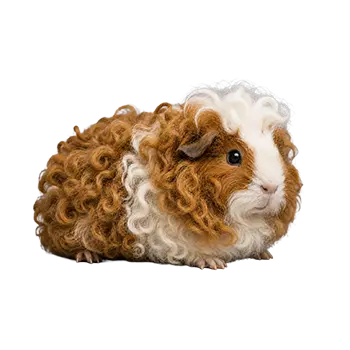

Merino guinea pigs are curious, gentle animals whose play style leans toward exploration, foraging, and social interaction rather than vigorous physical activity. They enjoy investigating new objects, navigating tunnels, and searching for hidden food, but they are not climbers and do not engage in the kind of rough-and-tumble play seen in some other small mammals. Understanding this temperament helps you select toys that actually get used rather than ignored.
The Merino's dense, curly coat adds a layer of consideration to toy selection that does not apply to short-haired breeds. Toys with small gaps, wire mesh, sharp edges, or splinter-prone materials can catch, pull, or mat the wool. Any toy that goes into a Merino enclosure should be inspected for snag points, and items that develop rough spots through chewing or wear should be replaced promptly.
Guinea pigs are most active during dawn and dusk, with periods of rest throughout the day. Enrichment is most effective when it aligns with these natural activity windows. Placing new toys or rearranging the enclosure layout during the morning or evening encourages exploration when the animal is already inclined to move around.
Social play between cagemates is one of the most important forms of enrichment for guinea pigs. A pair of Merinos will chase each other, share tunnels, and engage in gentle rumble-strutting displays. No commercial toy can fully replace the stimulation provided by a compatible companion, and owners of single guinea pigs should prioritize bonding or consider adopting a second pig before investing heavily in accessories.