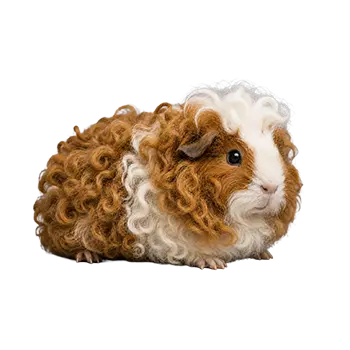

Space Requirements

Merino guinea pigs need the same generous floor space as any cavy breed, with a minimum of seven and a half square feet for a single animal and at least ten and a half square feet for a pair. Since guinea pigs are highly social and should almost always be kept with at least one companion, planning for a pair-sized enclosure from the start is the most practical approach. The Merino's long, curly coat does not reduce its need for space. These are active animals that benefit from room to run, explore, and exhibit natural popcorning behavior.

Vertical space matters less than floor area for guinea pigs, as they are ground-dwelling animals that do not climb. However, the enclosure walls should be at least twelve to fourteen inches high to prevent escapes, and taller walls help contain bedding scatter. Open-top enclosures are preferred over fully enclosed cages because they provide superior ventilation, which is particularly important for long-coated breeds like the Merino whose dense wool can trap heat and moisture.

Avoid multi-level cages designed for rats or ferrets. Guinea pigs have short legs and a low center of gravity, and ramps can be stressful or dangerous, especially for a Merino whose coat may catch on wire ramp surfaces. If additional space is needed, expand the footprint horizontally rather than adding vertical levels.

Placement of the enclosure within your home is just as important as the enclosure itself. Choose a location away from direct sunlight, heating vents, and drafty windows. Guinea pigs are sensitive to temperature extremes, and the Merino's heavy coat makes overheating a particular concern. A quiet room with consistent temperatures between sixty-five and seventy-five degrees Fahrenheit is ideal.

Cage Types & Configurations

Modular grid-and-coroplast enclosures have become the standard recommendation for guinea pig housing, and they are especially well suited for Merinos. The smooth coroplast base eliminates the wire floor grating found in many commercial cages, which can snag and damage the Merino's long curly coat. Grid panels can be configured into virtually any shape to fit available space, and the enclosure can be expanded easily as needs change.

Commercial pet store cages marketed specifically for guinea pigs are often far too small for even a single animal, despite manufacturer claims. Many of these cages also feature wire-bottom trays, narrow doorways, and attached plastic accessories that are difficult to clean and poorly ventilated. If purchasing a commercial cage, look for one with a solid bottom, wide access doors, and dimensions that meet or exceed minimum space guidelines.

Custom-built wooden enclosures are another option, particularly for owners who want a piece that blends with home furnishings. The interior wood must be sealed with a pet-safe, waterproof coating to prevent urine absorption and odor retention. Untreated or improperly sealed wood will absorb moisture and become a breeding ground for bacteria over time, making the enclosure difficult to maintain.

Playpens and exercise pens made from metal panels can supplement the primary enclosure by providing a larger roaming area during supervised floor time. For the Merino, ensure that the pen floor is covered with a clean fleece liner or towel to prevent the coat from dragging across bare floors and picking up dust, hair, and debris.

Bedding & Substrate

Bedding selection is especially consequential for the Merino guinea pig. The breed's long, curly wool acts like a magnet for loose substrate, and small particles from wood shavings or paper bedding can become deeply embedded in the coat, creating tangles and mats that are difficult to remove. For this reason, many Merino owners favor fleece liner systems over traditional loose bedding.

Fleece liners consist of a layer of anti-pill fleece over an absorbent core, typically made from an inner layer of cotton batting or microfiber toweling. When properly wicked, fleece allows urine to pass through to the absorbent layer below, keeping the surface dry against the guinea pig's coat. Liners need to be changed and washed every three to four days, and a rotation of at least three sets ensures a clean liner is always available.

If loose bedding is preferred, kiln-dried pine shavings or paper-based bedding are acceptable options. Avoid cedar shavings entirely, as the aromatic oils are toxic to small animals and can cause serious respiratory and liver damage. Paper-based bedding is highly absorbent and relatively dust-free, though it will still cling to the Merino's coat more than fleece. Spot-cleaning the enclosure daily and performing a full bedding change at least once a week keeps ammonia levels low and the environment hygienic.

Regardless of bedding type, hay will inevitably end up scattered across the enclosure floor, since guinea pigs eat throughout the day and are not tidy eaters. Designating a specific hay area with a rack or low-sided container helps contain the mess, but some hay migration is simply part of guinea pig ownership. For Merinos, gently picking hay fragments from the coat during regular grooming sessions prevents buildup.

Hides, Shelters & Resting Areas

Every guinea pig enclosure needs at least one hide per animal, plus one extra, to prevent resource guarding and ensure that each pig always has access to a safe retreat. Guinea pigs are prey animals with strong instincts to seek cover when startled, and the absence of adequate hiding places causes chronic stress that can suppress the immune system and shorten lifespan.

For Merinos, the style of hide matters more than it does for short-coated breeds. Avoid hides with rough interior surfaces, sharp edges, or narrow openings that can catch and pull the coat. Smooth-walled wooden houses, fleece-lined cuddle cups, and open-ended fabric tunnels are all good options. The hide should have at least two openings so the guinea pig is never cornered, which reduces territorial disputes in multi-pig households.

Fleece forests and fringe curtains made from strips of polar fleece provide a sense of security while allowing easy passage. Merinos seem to enjoy the tactile sensation of fleece strips brushing against their coat, and these accessories are simple to make at home from scrap fabric. They are also easy to wash and replace, making them a hygienic choice.

Cozy sleeping pads, snuggle sacks, and hammock-style beds placed at floor level give Merinos a comfortable resting spot that keeps their coat off the damp bedding surface. Look for designs with removable, washable liners, as guinea pig bedding accessories need frequent laundering. Avoid any fabric accessory with loose threads or fraying seams that could entangle toes or become ingested.

Climate & Ventilation

Temperature regulation is one of the most important housing considerations for Merino guinea pigs. Their dense, woolly coat provides excellent insulation against cold but creates a significant overheating risk in warm environments. Guinea pigs cannot sweat and do not pant effectively, so heatstroke can develop rapidly in temperatures above eighty degrees Fahrenheit. The Merino's thick fleece lowers this threshold considerably compared to short-haired breeds.

Good airflow is essential. Enclosed aquarium-style tanks and plastic tub enclosures with limited ventilation should be avoided, as they trap heat, humidity, and ammonia fumes from urine. Open-top enclosures with grid panel walls allow air to circulate freely, which helps regulate temperature and keeps the air quality within the cage at a safe level. If the room tends to be warm, a small clip-on fan directed near but not directly at the enclosure can improve air movement.

During summer months or in naturally warm climates, active cooling strategies may be necessary. Ceramic tiles, marble slabs, or frozen water bottles wrapped in cloth placed inside the enclosure give guinea pigs a cool surface to rest against. Air conditioning is the most reliable solution, but if that is not available, keeping the enclosure in the coolest room of the house and drawing curtains during peak sun hours helps considerably.

In colder weather, the Merino's coat provides natural protection, but drafts should still be avoided. Position the enclosure away from exterior walls and windows that may leak cold air. Supplemental heating from a nearby space heater is acceptable as long as the heater is placed safely out of reach and does not create hot, dry air directly over the enclosure.

Multi-Pig Households

Guinea pigs are social animals that thrive in the company of their own kind, and keeping a Merino with at least one companion is strongly recommended. However, housing multiple guinea pigs successfully requires careful attention to space, introductions, and resource distribution. Each additional guinea pig should add at least two to three square feet of floor space to the enclosure, and the layout should include enough hides, food stations, and water sources to prevent competition and bullying.

When introducing a new guinea pig to a resident Merino, use a neutral territory that neither animal has claimed. A clean playpen or a bathtub lined with towels works well. Initial meetings should be supervised, and mild dominance behaviors such as rumble-strutting, chin raising, and mounting are normal parts of the hierarchy establishment process. Aggressive biting, prolonged chasing, or blood drawing are signs that the pairing may not work and the animals should be separated.

Housing Merinos with short-haired breeds is perfectly fine and may actually reduce grooming workload compared to an all-Merino group, since the short-haired companion will not contribute additional loose wool to the environment. Be aware, however, that some guinea pigs will barbershop their cagemates, chewing the coat of a long-haired companion. If you notice patches of uneven or chewed wool on your Merino, observe cagemate interactions closely.

Neutered males can be paired with females, and same-sex pairs of either gender generally work well when properly introduced. Avoid housing intact males together past puberty unless they have been bonded since a very young age and have ample space, as hormonal aggression between boars is common and can result in serious injuries. A spacious, well-designed enclosure with multiple resources goes a long way toward maintaining harmony.

Always consult a qualified professional before making any health-related decisions. This content is provided for informational reference only and should not replace professional guidance specific to your animal.