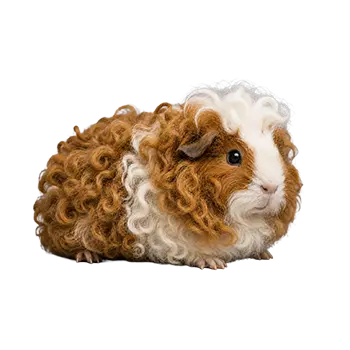

The Merino guinea pig's long, curly, wool-like coat demands a grooming routine more involved than any short-haired breed, and having the right tools makes the difference between a manageable process and a frustrating one. A soft-bristle brush or a wide-toothed metal comb designed for small animals is the foundation of the grooming kit. The wide spacing between teeth allows the comb to glide through curly wool without pulling, while a slicker brush with fine, angled pins helps work through light tangles closer to the skin.
Small, blunt-tipped grooming scissors are essential for trimming the coat around the hindquarters, where soiling is most common, and for cutting out mats that cannot be gently combed free. Never try to pull or rip a mat out, as guinea pig skin is extremely thin and tears easily. If a mat is tight against the skin, carefully slide one blade of the scissors beneath it and cut away from the body. For owners uncomfortable with scissor work near delicate skin, a small set of battery-operated pet clippers with a guard attachment provides a safer alternative.
Grooming should occur at least two to three times per week for the Merino, with daily sessions being ideal during periods of heavy shedding or coat growth. Keep sessions short and positive, pairing grooming with a favorite treat to build a cooperative association. A guinea pig that learns to tolerate grooming from a young age will be far easier to manage throughout its life than one that is only groomed when mats become a problem.
A fine-toothed flea comb, while not used for fleas specifically, is useful for checking the skin beneath the dense wool for signs of parasites, dandruff, or irritation that might otherwise go unnoticed. Run the comb gently along the skin and inspect what it collects. Early detection of skin issues is much easier when you have the right tools and use them consistently.