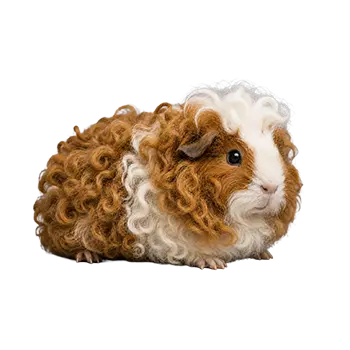

Merino guinea pigs have the same foundational dietary requirements as all cavies, but their dense, curly wool coat places additional demands on their nutritional intake. A diet rich in vitamin C is absolutely essential, as guinea pigs cannot synthesize this vitamin on their own, and deficiencies can lead to scurvy, lethargy, and a dull, brittle coat. The Merino's thick, continuously growing fleece means that protein and certain fatty acids play a heightened role in maintaining coat quality and skin health.
Timothy hay should form the backbone of the Merino's diet, comprising roughly eighty percent of daily intake. The long fibers in quality grass hay promote healthy gut motility and provide the constant chewing action that keeps teeth properly worn down. Because the Merino's coat can sometimes mask weight changes, owners need to pay close attention to body condition and adjust portions accordingly. A guinea pig that appears round may actually be underweight beneath all that wool.
Fresh vegetables are the primary vehicle for delivering vitamin C and other micronutrients. Dark leafy greens such as bell pepper, romaine lettuce, and cilantro should be offered daily. Pellets fortified with stabilized vitamin C serve as a nutritional safety net but should not be overfed, as excess pellet consumption can lead to obesity and selective feeding habits that crowd out hay intake.
Hydration is another often overlooked nutritional concern. The Merino's dense coat can cause the animal to run warmer than short-haired breeds, which may increase water consumption. Fresh, clean water should always be available through a sipper bottle or a heavy ceramic bowl that resists tipping.