
Nutritional Needs

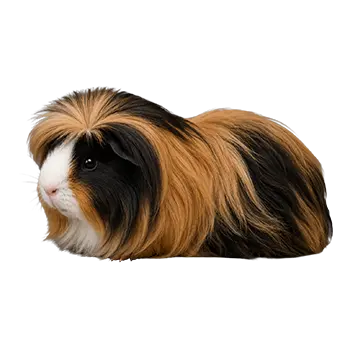
Coronet guinea pigs share the same core dietary requirements as all cavies, but their long, silky coats place additional demands on their nutrition. A diet rich in vitamin C is absolutely essential because guinea pigs cannot synthesize this vitamin on their own, and deficiency leads to scurvy, poor coat condition, and weakened immunity. The Coronet's flowing hair requires steady protein and healthy fat intake to maintain its characteristic luster and prevent breakage or thinning.

Timothy hay should form the foundation of the Coronet's diet, comprising roughly eighty percent of daily intake. Hay provides the long-strand fiber that keeps the digestive system moving properly and wears down continuously growing teeth. Without adequate hay consumption, guinea pigs are prone to gastrointestinal stasis and painful dental overgrowth, both of which can become serious health emergencies in a short period of time.

Fresh vegetables and a measured portion of fortified pellets round out the daily menu. Leafy greens like bell peppers, romaine lettuce, and cilantro supply natural vitamin C alongside other micronutrients. Pellets should be timothy-based and formulated specifically for guinea pigs rather than generic small-animal blends, which often contain seeds, corn, or other ingredients that are inappropriate or even harmful for cavies.

Because Coronets are moderately active but not as high-energy as some shorter-haired breeds, overfeeding calorie-dense foods can lead to obesity. Monitoring weight weekly and adjusting portions accordingly helps keep the Coronet at a healthy body condition. A well-nourished Coronet will display a glossy, tangle-resistant coat, bright eyes, and consistent energy levels throughout the day.

What to Look For

When shopping for guinea pig food products, ingredient transparency should be the first thing you evaluate. Quality pellets list timothy hay or timothy meal as the primary ingredient and include stabilized vitamin C, since this nutrient degrades quickly in stored food. Avoid products with added sugars, artificial colors, dried fruit pieces, or seed mixes, as these are filler ingredients that contribute to selective eating and nutritional imbalance.

Hay quality varies significantly between suppliers. Look for hay that is green, fragrant, and free of excessive dust or brown stems. Second-cutting timothy hay tends to be softer and leafier, which many Coronets prefer, while first-cutting offers coarser stems that are excellent for dental wear. Offering a mix of both cuttings can encourage consistent consumption and provide textural variety.

For fresh produce, prioritize organic options when possible, especially for items like bell peppers and leafy greens that may carry pesticide residues. Wash all vegetables thoroughly before serving. When selecting vitamin C supplements, choose liquid or tablet forms designed specifically for guinea pigs rather than human supplements, which may contain xylitol or other additives that are toxic to small animals.

Packaging matters more than many owners realize. Pellets stored in resealable bags or airtight containers retain their vitamin C content far longer than those sold in simple paper bags. Check manufacture dates and expiration dates to ensure the food you purchase still has meaningful nutritional value by the time your Coronet consumes it.

Recommended Hay Types

Timothy hay is the gold standard for adult Coronet guinea pigs and should be available in unlimited quantities at all times. Its fiber content supports healthy digestion and dental maintenance, and most guinea pigs eat it enthusiastically. The hay rack or feeding area should be replenished at least once daily to keep the supply fresh and appealing, as guinea pigs often reject hay that has been sitting out and absorbing ambient moisture.

Orchard grass is an excellent secondary hay that provides a slightly different flavor and texture profile. Many Coronets enjoy having orchard grass mixed in with their timothy hay or offered as an alternative. It is lower in protein than timothy but comparable in fiber, making it a safe staple option. For guinea pigs that are picky about timothy hay, orchard grass can help maintain adequate fiber intake while you work on broadening their palate.

Oat hay and meadow hay can be offered as occasional variety hays, but they should not replace timothy or orchard grass as the primary forage. Oat hay contains more calories and is best used sparingly, particularly for Coronets that are already at a healthy weight. Alfalfa hay is appropriate only for young guinea pigs under six months, pregnant or nursing sows, or underweight animals, as its high calcium and calorie content can contribute to bladder stones and obesity in healthy adults.

Botanical hay blends that incorporate dried herbs like chamomile, dandelion, or marigold can encourage hay consumption in reluctant eaters. These blends add sensory interest without significantly altering the nutritional profile. However, they should supplement rather than replace plain grass hay, and owners should verify that no toxic plant material has been included in the mix.

Pellets & Fresh Food

A quality timothy-based pellet should be offered daily in controlled amounts, generally around one-eighth cup per guinea pig per day. Pellets serve as a concentrated source of vitamins and minerals that may be difficult to obtain consistently from hay and vegetables alone. Uniform pellets are preferable to muesli-style mixes because guinea pigs tend to pick out the tastiest bits and leave the nutritionally important pieces behind, leading to an unbalanced diet.

Fresh vegetables should be offered daily, with an emphasis on vitamin C-rich options. Bell peppers, particularly red and yellow varieties, are among the best natural sources of vitamin C available to guinea pigs. A single slice of bell pepper can provide a significant portion of the daily requirement. Romaine lettuce, cilantro, parsley, and endive are other excellent staples that most Coronets enjoy and tolerate well.

Introduce new vegetables gradually to avoid digestive upset. Guinea pigs have sensitive gastrointestinal tracts, and sudden dietary changes can trigger soft stools or bloating. When trying a new food, offer a small piece and monitor for any adverse reaction over twenty-four hours before incorporating it into the regular rotation. Cruciferous vegetables like broccoli and cabbage should be offered sparingly, as they can cause uncomfortable gas.

Fruit should be treated as an occasional treat rather than a dietary staple due to its high sugar content. A small piece of strawberry, apple, or blueberry once or twice a week is a welcome enrichment for most Coronets, but daily fruit feeding can contribute to obesity and dental problems over time. Remove any uneaten fresh food from the enclosure within a few hours to prevent spoilage and bacterial growth.

Treats & Supplements

Vitamin C supplementation is a non-negotiable part of Coronet guinea pig care. Even with a diet rich in bell peppers and leafy greens, many owners find it prudent to provide a daily supplement to ensure consistent intake. Liquid vitamin C added to a small syringe of water and offered directly is more reliable than adding it to a water bottle, where it degrades rapidly when exposed to light and air. Chewable vitamin C tablets formulated for guinea pigs are another convenient option.

Healthy treat options include small pieces of fresh herbs like basil, dill, and mint, which provide both nutritional value and sensory enrichment. Forage mixes containing dried rose petals, calendula, and plantain leaves can be scattered in the enclosure to encourage natural foraging behavior. These treats are low in sugar and calories while adding variety to the daily routine.

Avoid commercial treat products that are marketed with colorful packaging but contain yogurt drops, honey sticks, seed bars, or other sugar-laden ingredients. These products are designed to appeal to human buyers, not to meet the nutritional needs of guinea pigs. Regular consumption of sugary treats can lead to obesity, digestive dysfunction, and dental disease, all of which are costly and stressful to treat.

Probiotics formulated for small herbivores can be beneficial during times of digestive stress, such as after antibiotic treatment or during dietary transitions. These supplements help maintain healthy gut flora, which is critical for the fermentation process that allows guinea pigs to extract nutrients from fibrous plant material. Consult with an exotics veterinarian before starting any new supplement regimen.

Foods to Avoid

Several common human foods are toxic or harmful to guinea pigs and should never be offered. Onions, garlic, leeks, and chives contain compounds that can damage red blood cells and lead to hemolytic anemia. Potatoes, particularly green portions and sprouts, contain solanine, which is poisonous to cavies. Avocado is toxic to guinea pigs due to its persin content, and even small amounts can cause serious illness.

Dairy products, meat, eggs, and any animal-based foods are entirely inappropriate for guinea pigs, which are strict herbivores. Their digestive systems are not equipped to process animal proteins or fats, and offering these foods can cause severe gastrointestinal distress. Similarly, nuts and seeds are too high in fat and present a choking hazard for guinea pigs, despite being commonly included in generic small-animal food mixes.

Iceberg lettuce should be avoided because it has virtually no nutritional value and its high water content can cause diarrhea when fed in quantity. Rhubarb leaves are toxic due to their oxalic acid content, and raw beans contain lectins that are harmful to small animals. Chocolate, caffeine, and alcohol are obviously dangerous and should be kept well out of reach at all times.

Processed human foods, including bread, crackers, pasta, cereal, and anything containing salt, sugar, or artificial additives, should never be given to guinea pigs. Even well-intentioned owners sometimes offer these foods as treats without realizing the potential harm. Educating all household members about safe and unsafe foods is an important step in protecting the health of your Coronet guinea pig.

Feeding Schedule

Establishing a consistent feeding schedule helps regulate your Coronet's digestion and makes it easier to monitor appetite, which is one of the first indicators of illness in guinea pigs. Hay should be available around the clock, replenished at least once in the morning and once in the evening. Guinea pigs are grazing animals that eat frequently throughout the day and night, so an empty hay rack should never be considered acceptable.

Pellets are best offered once daily, ideally at the same time each morning. Measuring the portion with a tablespoon or small cup ensures consistency and prevents overfeeding. If you house multiple guinea pigs together, providing separate feeding stations or a sufficiently wide dish helps prevent dominant animals from monopolizing the food supply.

Fresh vegetables should be served once or twice daily, divided into a morning and evening portion if offering two servings. This approach provides regular vitamin C intake throughout the day and gives the guinea pig something to look forward to. Remove uneaten vegetables within two to three hours to prevent wilting, bacterial growth, and fruit fly attraction in warmer months.

Water must be available at all times through a clean bottle or bowl. Bottles should be checked daily to ensure the sipper tube is functioning properly, as malfunctions can leave a guinea pig without water for hours. Bowls are an alternative but require more frequent cleaning since bedding and food debris tend to contaminate them quickly. Regardless of the delivery method, water should be changed daily and the container sanitized weekly to prevent algae and bacterial buildup.

Always consult a qualified professional before making any health-related decisions. This content is provided for informational reference only and should not replace professional guidance specific to your animal.