
Grooming Tools

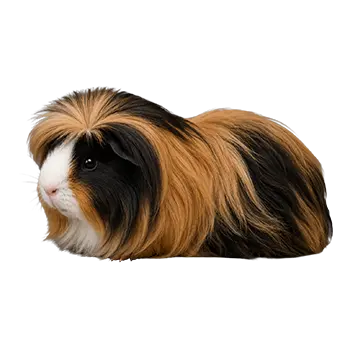
Grooming is not optional for Coronet guinea pigs. Their long, silky coats require daily attention to prevent matting, tangles, and the accumulation of bedding debris that can irritate the skin and harbor parasites. A quality grooming kit for a Coronet should include a fine-toothed metal comb, a soft-bristle brush, small blunt-tipped scissors for trimming, and a detangling spray formulated for small animals or made from a diluted pet-safe conditioner.

The fine-toothed comb is your primary tool for working through the Coronet's flowing hair, starting at the tips and working gently toward the skin to avoid pulling. A wide-toothed comb is useful for initial passes through heavily tangled sections before switching to the finer comb for a thorough finish. Soft-bristle brushes help distribute natural oils along the hair shaft, promoting the glossy appearance that the breed is known for.

Blunt-tipped scissors are essential for trimming hair around the hindquarters, where soiling is most likely to occur. Many Coronet owners keep the rear coat trimmed shorter than the rest of the body as a practical hygiene measure. Rounded safety scissors designed for pet grooming reduce the risk of accidentally nicking the skin during trimming, which is especially important given how much guinea pigs tend to squirm during grooming sessions.

A grooming table or lap pad provides a stable, comfortable surface for grooming sessions and helps contain loose hair and debris. Placing a non-slip mat or towel on your lap creates a secure area where the guinea pig feels supported. Regular, gentle grooming sessions from a young age help the Coronet become accustomed to handling and can transform what might otherwise be a stressful experience into a bonding opportunity.

Bowls, Bottles & Feeders

Water bottles with stainless steel sipper tubes are the standard hydration solution for guinea pigs, keeping water clean and free from bedding contamination. Choose bottles with a capacity of at least twelve ounces per guinea pig, and check the sipper mechanism daily to confirm it is dispensing water properly. Ball-bearing sippers occasionally jam or develop slow leaks, so having a backup bottle on hand prevents any gap in water access.

Ceramic food bowls are preferable to plastic ones because they are heavier and less likely to be tipped over during feeding. Guinea pigs often place their front feet on the rim of the bowl while eating, and a lightweight dish will flip immediately. The bowl should be wide enough that the Coronet's long facial hair does not drag through the food, and it should have low sides to allow comfortable access without requiring the guinea pig to dip its head deeply into the dish.

Hay racks and hay bags keep the primary food supply elevated above the bedding, reducing waste and keeping the hay fresher for longer. Wall-mounted racks that attach to the cage grids are convenient and space-efficient. Ensure that the spacing between bars is wide enough for the guinea pig to pull hay out easily but not so wide that the animal could get its head stuck. Some owners prefer fabric hay bags with large openings, which are gentle on the Coronet's coat and easy to refill.

For multi-guinea pig households, provide at least two of every feeding and watering station. Dominant guinea pigs may guard a single food bowl or water bottle, leaving subordinate cage mates hungry or dehydrated. Distributing resources across different areas of the enclosure ensures equitable access and reduces feeding-related conflict.

Carriers & Travel Gear

A sturdy, well-ventilated carrier is essential for veterinary visits and any situation requiring transport. Small-animal carriers with solid bottoms, secure latching doors, and adequate ventilation on multiple sides are ideal for guinea pigs. The carrier should be large enough for the guinea pig to turn around comfortably but small enough to feel enclosed and secure, as too much open space can increase anxiety during travel.

Line the carrier with a thick layer of fleece or a disposable absorbent pad topped with hay. The familiar scent of hay and a small piece of fleece from the guinea pig's cage can reduce stress significantly during transport. Include a small piece of cucumber or leafy green for hydration on longer trips, since water bottles tend to leak and drip during car travel. Avoid placing the carrier in direct sunlight or near heating vents in the vehicle.

For Coronets specifically, check that the carrier interior is smooth and free of protruding hardware, rough edges, or mesh that could snag the long coat. Some wire-door carriers have interior weld points that catch fine hair, which can cause discomfort and damage to the coat. A quick inspection of the interior surfaces before each use takes only a moment and prevents avoidable problems.

If you travel with your guinea pig regularly, consider investing in a carrier with a removable, washable liner and a top-loading door in addition to the front opening. Top-loading access makes it much easier to place a reluctant guinea pig inside without the wrestling match that often accompanies front-door loading. A carrier cover or blanket draped over the carrier during transport darkens the interior and provides additional security for the nervous traveler.

Cleaning Supplies

Maintaining a hygienic enclosure requires a dedicated set of cleaning tools that are used exclusively for the guinea pig habitat. A small handheld dustpan and brush for daily spot cleaning, a spray bottle of pet-safe cage cleaner, and a stack of absorbent cloths or paper towels form the basics. Keeping these supplies within arm's reach of the enclosure encourages consistent daily maintenance rather than letting messes accumulate.

Pet-safe disinfectants that are effective against bacteria and fungi without leaving harmful residues are essential for weekly deep cleaning. White vinegar diluted with water is a popular natural option that cuts through urine scale and neutralizes odors effectively. For tougher buildup, enzyme-based cleaners designed for small-animal habitats break down organic waste at a molecular level and eliminate odors rather than simply masking them.

Fleece liners, cuddle sacks, and fabric tunnels need to be laundered separately from household laundry using a fragrance-free, dye-free detergent. Guinea pig hair and hay debris can clog washing machine filters, so shaking out all fabric items thoroughly before washing and using a mesh laundry bag helps protect your machine. Adding a splash of white vinegar to the rinse cycle helps remove residual odors and detergent buildup from the fabric.

Coroplast cage bases should be inspected regularly for scratches and gouges where bacteria can accumulate. Over time, the surface of coroplast becomes scored from cleaning and general use, creating microscopic grooves that harbor odor-causing bacteria even after thorough washing. Replacing the base annually or whenever the surface becomes visibly worn ensures that your cleaning efforts are actually achieving the desired level of sanitation.

Nail Care & Health Supplies

Guinea pig nails grow continuously and need to be trimmed every three to four weeks to prevent overgrowth, curling, and painful foot problems. A pair of small animal nail clippers or human nail clippers works well for this purpose. Having styptic powder or a styptic pencil on hand is important in case you accidentally cut the quick, which causes brief bleeding. Learning to identify the quick, visible as a pinkish line inside lighter-colored nails, helps you trim with confidence and minimize the risk of cutting too short.

A basic first-aid kit for guinea pigs should include sterile saline solution for flushing minor wounds, cotton swabs, gauze pads, adhesive bandage wrap, and an antiseptic spray approved for small animals. Adding a digital kitchen scale to weigh your guinea pig weekly rounds out the kit with a preventive monitoring tool. Weekly weigh-ins detect subtle weight changes that often signal illness before more obvious symptoms appear, making the scale one of the most important accessories a guinea pig owner can own.

Coronet-specific health supplies include a small animal shampoo for occasional baths when the coat becomes heavily soiled, and a fungal treatment spray or cream recommended by an exotics veterinarian. Long-haired guinea pigs are more susceptible to fungal skin infections than their short-haired counterparts because moisture and debris trapped in the coat create favorable conditions for fungal growth. Having treatment supplies on hand allows you to begin addressing an issue promptly while arranging a veterinary consultation.

A soft toothbrush or cotton swab is useful for cleaning around the grease gland, located on the guinea pig's rump where a tail would be. This gland produces an oily secretion that can accumulate and become crusty or matted into the surrounding hair, particularly in boars. Regular cleaning with a small amount of coconut oil to soften the buildup, followed by gentle wiping, keeps the area comfortable and prevents irritation.

Seasonal & Comfort Gear

Seasonal accessories help your Coronet stay comfortable as environmental conditions change throughout the year. Ceramic or marble cooling tiles provide a naturally cool surface for guinea pigs to rest on during warm weather. These tiles absorb and hold coolness without any electricity or freezing required, and most guinea pigs learn to seek them out when they need to lower their body temperature. Position the tile in a shaded area of the enclosure so it remains cool throughout the day.

During cooler months, fleece cage liners, snuggle sacks, and insulated hideout covers provide extra warmth without the risks associated with heating pads or heat lamps. If a heating pad designed for small animals is used, it should be placed under a portion of the cage bottom rather than inside the enclosure where the guinea pig might chew the cord. The heated area should cover no more than one-third of the cage floor so the guinea pig can move away if it becomes too warm.

Nail-trimming boards and ramps with slightly textured surfaces provide passive nail filing as the guinea pig walks across them during daily activity. While these do not replace regular nail trimming, they can extend the interval between trims and help maintain smoother nail edges. Ensure the texture is mild enough to avoid irritating the delicate skin on the pads of the feet.

A small playpen or exercise pen for outdoor use during mild weather gives your Coronet access to natural sunlight and fresh grass, both of which are beneficial in moderation. The pen must have a secure lid or cover to protect against aerial predators and should be placed on grass that has not been treated with pesticides, herbicides, or fertilizers. Supervise all outdoor time closely, limit sessions to fifteen or twenty minutes to avoid overheating, and provide shade and fresh water within the pen at all times.

Always consult a qualified professional before making any health-related decisions. This content is provided for informational reference only and should not replace professional guidance specific to your animal.