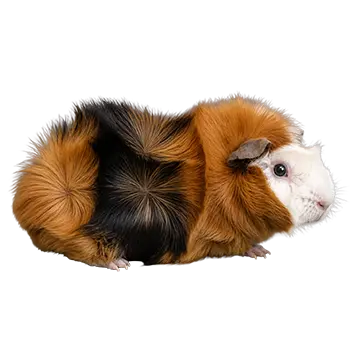

Play Style & Curiosity

Abyssinian guinea pigs are widely regarded as one of the most playful and inquisitive cavy breeds. Their bold personalities translate into a genuine enthusiasm for exploring new objects, investigating changes to their environment, and engaging with their cage mates in spirited chasing sessions. Understanding this play style is essential for selecting toys and enrichment that will actually get used rather than ignored.

Unlike hamsters or rats, guinea pigs do not climb, and they have limited interest in complex mechanical toys. Their play is grounded — literally. They run, dodge, hide, forage, and chew. The most successful toys for Abyssinians are those that encourage these natural behaviors. A crinkly tunnel placed in the middle of the enclosure will see more action than the most elaborate climbing structure, because it aligns with what guinea pigs actually want to do.

Abyssinians are also highly social players. Much of their enrichment comes from interaction with cage mates, and a lone guinea pig will show dramatically less play behavior regardless of how many toys are available. If you watch a pair of Abyssinians in a well-designed enclosure, you will see them chase each other through tunnels, share foraging activities, and engage in the joyful leaping known as popcorning. Toys should facilitate and enhance these social dynamics rather than replace them.

Rotation is key to maintaining interest. Guinea pigs, like most animals, habituate to static environments. Swapping toys in and out every few days — or simply rearranging the layout of the enclosure — can reignite curiosity and exploration in an Abyssinian that has grown bored with a stale setup.

Tunnels & Exploration Toys

Tunnels are arguably the single most valuable enrichment item for guinea pigs, and Abyssinians take to them with particular enthusiasm. A tunnel serves multiple functions simultaneously: it is a hiding spot, a running track, a social play prop, and a source of novel sensory experience. Fabric tunnels with crinkle material, rigid plastic tubes, and even simple cardboard tubes all have their place.

Fabric tunnels are popular because they are collapsible, washable, and quiet enough to avoid startling skittish animals. Look for tunnels wide enough that two guinea pigs can pass each other comfortably — a diameter of at least six inches is recommended. Some designs feature peek-a-boo holes along the top or side, which add visual interest and create secondary entry points that guinea pigs quickly learn to use.

Rigid tunnels made from safe plastics or untreated wood can be arranged in configurations that create maze-like pathways through the enclosure. Connecting multiple short tunnel segments encourages sustained exploration and gives guinea pigs control over their environment — they can choose to enter, exit, or bypass the tunnel system as they wish. This sense of agency is an underappreciated component of psychological enrichment.

Cardboard tubes from paper towel or wrapping paper rolls are the ultimate budget tunnel option. They are safe to chew, easy to replace, and surprisingly engaging for guinea pigs that enjoy destroying things. Just ensure the diameter is large enough that your Abyssinian cannot get stuck, and discard any tube that has become damp or soiled.

Chew Toys & Dental Health

Guinea pig teeth grow continuously throughout their lives, and without adequate opportunities to wear them down, overgrown teeth can cause pain, malocclusion, and an inability to eat. While hay is the primary source of dental wear, chew toys provide supplemental grinding surfaces and satisfy the natural urge to gnaw that all rodents share.

Safe chew materials include untreated apple wood, willow sticks, timothy hay-based chew sticks, and compressed hay balls. These materials are hard enough to provide resistance against the teeth but soft enough to break down safely when ingested in small amounts. Avoid any product that has been treated with dyes, preservatives, or flavorings — the packaging may look appealing, but the additives serve the buyer, not the guinea pig.

Mineral chews and salt licks are frequently sold alongside guinea pig toys, but they are generally unnecessary and potentially harmful. A guinea pig eating a balanced diet of hay, pellets, and fresh vegetables is already getting adequate minerals. Excess salt and mineral consumption can stress the kidneys and urinary system, which are already vulnerable in guinea pigs due to their predisposition to bladder stones.

Placement of chew toys matters. Scattering them throughout the enclosure rather than clustering them in one spot encourages movement and mimics the varied foraging opportunities a guinea pig would encounter in a natural habitat. Hanging chew sticks from the cage walls or hay rack at different heights adds novelty and requires the guinea pig to engage different jaw angles, which promotes more even dental wear.

Foraging & Puzzle Enrichment

Foraging enrichment taps into one of the most fundamental guinea pig behaviors — the drive to search for food. In the wild, cavies spend a significant portion of their waking hours moving through vegetation, selecting the most nutritious plants, and grazing continuously. Replicating this in captivity is one of the most effective ways to keep an Abyssinian mentally engaged and physically active.

The simplest foraging setup requires nothing more than scattering pellets or small pieces of vegetable across the enclosure rather than placing them in a bowl. This forces the guinea pig to move, sniff, and search — turning a thirty-second meal into a twenty-minute activity. You can increase the difficulty by hiding food inside crumpled paper balls, under small overturned cups, or within hay piles.

Commercial foraging toys designed for small animals include treat balls, snuffle mats, and puzzle feeders. Treat balls that dispense pellets as they roll can be engaging, but ensure the openings are large enough to release food without frustrating the animal and that the ball is heavy enough to roll slowly on the cage floor. Guinea pigs are not as dexterous as rats and can become discouraged by toys that require fine manipulation.

Paper bag foraging is a favorite among experienced guinea pig owners. A small paper lunch bag filled with hay and a few hidden vegetable pieces creates an all-in-one foraging, chewing, and exploration experience. The Abyssinian can tear into the bag, dig through the hay, and discover the food rewards — all while getting dental exercise and mental stimulation. Replace the bag daily to keep it hygienic and novel.

Comfort & Companion Items

Not all enrichment is about active play. Guinea pigs also need opportunities for rest, comfort, and passive stimulation. Fleece cuddle sacks, cozy pouches, and padded tunnels serve as comfort items that provide warmth, security, and a sense of enclosure that appeals to the guinea pig's prey-animal instincts. Abyssinians often develop strong attachments to specific comfort items and will seek them out consistently.

Fleece products designed for guinea pigs should be made from anti-pill fleece that has been properly wicked — meaning moisture passes through the fleece layer rather than pooling on top. Unwicked fleece will become damp and uncomfortable, and a guinea pig sleeping in a soggy cuddle sack is at risk of skin irritation and fungal infections. Most fleece items need to be washed with a fragrance-free detergent several times before first use to achieve proper wicking.

Soft hay-stuffed pillows and fabric hammocks (placed low to the ground, not elevated) can add textural variety to the resting areas of the enclosure. Guinea pigs enjoy burrowing and nesting, and providing materials that support this behavior — crumpled paper, extra fleece scraps, or loose hay — allows them to customize their own sleeping spaces in ways that feel natural and satisfying.

Auditory enrichment is an often-overlooked category. Abyssinians are vocal animals, and they respond to sounds in their environment. Soft background music, the sound of their owner's voice, and even nature recordings can provide passive stimulation during quiet hours. Sudden loud noises and chaotic environments, however, cause stress — the goal is gentle, predictable auditory input that the guinea pig can habituate to positively.

DIY & Budget Options

Some of the best guinea pig toys cost nothing at all. A cardboard box with a door cut in the side becomes an instant hideout and chew toy. Paper towel rolls stuffed with hay make excellent foraging puzzles. A pile of crumpled newspaper creates a rustling exploration zone that most Abyssinians will investigate enthusiastically for fifteen to twenty minutes before it needs to be replaced.

Old towels and fleece remnants can be repurposed into tunnels, floor pads, and cuddle sacks with minimal sewing skills. Online guinea pig communities share countless free patterns and tutorials for homemade cage accessories. The advantage of DIY items is that they can be customized to your specific enclosure layout and replaced frequently without guilt when they become worn or soiled.

Kitchen scraps also double as enrichment. The leafy tops of carrots, the stems of bell peppers, and herb sprigs can be woven into the hay rack or hidden around the enclosure as foraging surprises. A piece of clean, untreated wicker basket becomes a combination hide, chew toy, and climbing challenge. Nature provides free enrichment too — untreated apple tree branches, dandelion leaves from pesticide-free yards, and dried herb bundles offer novel scents and textures.

The most important principle in guinea pig enrichment is not expense but variety and rotation. An Abyssinian with three inexpensive toys that get rotated weekly will show more engagement and play behavior than one with a dozen expensive accessories that sit in the same positions month after month. Invest your time in creating novelty rather than your money in accumulating products, and your guinea pigs will be happier for it.

Always consult a qualified professional before making any health-related decisions. This content is provided for informational reference only and should not replace professional guidance specific to your animal.