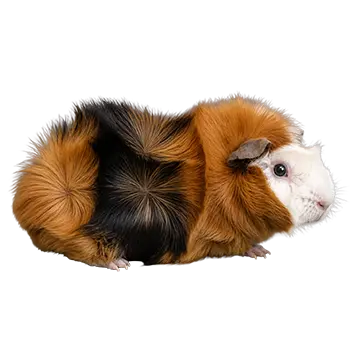

Abyssinian guinea pigs share the same core dietary requirements as all cavies, but their active, high-energy temperament means their nutritional intake needs careful attention. Like every guinea pig, the Abyssinian cannot synthesize vitamin C on its own, making a steady daily supply of this nutrient absolutely critical. A deficiency can lead to scurvy, which manifests as lethargy, swollen joints, and a rough coat — something particularly noticeable on a breed whose rosette pattern should look full and defined.
The foundation of an Abyssinian's diet is unlimited timothy hay. Hay provides the long-strand fiber essential for healthy digestion and continuous dental wear, both of which are non-negotiable for guinea pig health. Without adequate fiber, gastrointestinal stasis can develop rapidly, and overgrown molars can make eating painful or impossible. Hay should be available at all times and refreshed daily to keep it appealing.
Beyond hay, a measured portion of high-quality pellets and a daily rotation of fresh vegetables round out the diet. Abyssinians tend to be more curious and food-motivated than some calmer breeds, which can make them prone to overeating treats or selectively ignoring hay in favor of richer foods. Owners should monitor intake patterns closely and resist the temptation to over-supplement with sugary fruits or starchy vegetables.
Water intake is another area that deserves consistent attention. A clean, fresh water supply from a bottle or heavy bowl is essential, and consumption should be monitored for any sudden changes. Abyssinians that suddenly drink more or less than usual may be signaling an underlying health issue that warrants veterinary attention.