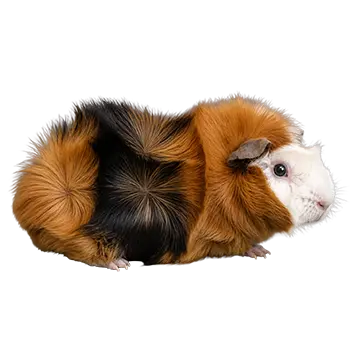

Abyssinian guinea pigs are among the more active and exploratory cavy breeds, and their housing needs reflect that energy. The absolute minimum cage size for a single Abyssinian is seven and a half square feet of unbroken floor space, but ten and a half square feet or more is strongly recommended. For a pair — and Abyssinians should always be housed with at least one companion — the minimum jumps to ten and a half square feet, with thirteen or more being ideal.
Floor space matters far more than vertical height for guinea pigs. Unlike rats or ferrets, cavies are ground-dwelling animals that do not climb ramps or levels with any enthusiasm or skill. Multi-level cages marketed for guinea pigs often sacrifice usable floor area in exchange for shelves that the animals rarely use and can fall from, risking injury. A single-level enclosure with generous square footage will always serve an Abyssinian better than a tall, narrow cage with multiple platforms.
Placement within the home is equally important. Guinea pigs are sensitive to temperature extremes, drafts, and direct sunlight. The enclosure should sit in a well-ventilated room that stays between sixty-five and seventy-five degrees Fahrenheit, away from windows that receive intense afternoon sun and away from air conditioning vents or heating registers. A quiet corner of a living area where the family spends time is ideal — Abyssinians are social animals that benefit from regular human interaction and can become withdrawn if isolated in a back room.
The surface beneath the cage also deserves consideration. Placing the enclosure on a table, desk, or stand at waist height makes daily care easier and brings the guinea pigs closer to eye level for interaction. It also keeps them away from floor-level drafts and makes them less accessible to other household pets. Ensure whatever surface you use can support the full weight of the cage, bedding, and accessories without wobbling.