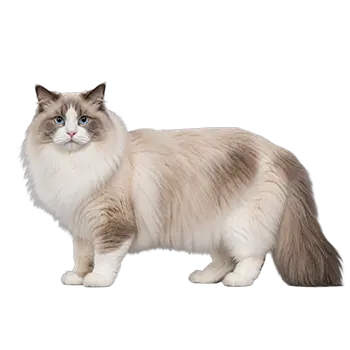

Activity & Health Monitors

Activity monitors designed for cats attach to the collar and track movement patterns, rest periods, and daily activity levels. For a breed like the Ragamuffin that is prone to weight gain due to its naturally sedentary disposition, an activity monitor can provide objective data about whether your cat is getting enough exercise throughout the day. Most devices sync with a smartphone app that presents trends over time.

The real value of these monitors lies in detecting changes rather than hitting specific targets. A sudden drop in activity or a significant shift in sleep patterns can be an early indicator of illness, pain, or stress — signals that a calm breed like the Ragamuffin might not display through obvious behavioral changes. Reviewing weekly trend data during veterinary visits gives your vet additional context that can inform diagnostic decisions.

Some advanced monitors also track eating and drinking frequency by logging visits to food and water stations equipped with companion sensors. This feature is particularly useful in multi-cat households where it can be difficult to determine how much each individual cat is consuming. Knowing that your Ragamuffin's water intake has dropped, for example, could prompt earlier investigation of a potential urinary or kidney issue.

When selecting an activity monitor, consider weight and comfort. Ragamuffins have thick neck fur that can make bulky devices difficult to position, and a heavy or poorly balanced unit may irritate the cat. Lightweight devices under fifteen grams with smooth, rounded housings are the most comfortable options for long-term wear.

GPS & Location Tracking

GPS trackers are primarily designed for cats that spend time outdoors, but they also provide peace of mind for indoor Ragamuffin owners who worry about escape scenarios. A small GPS unit attached to the collar allows you to locate your cat in real time through a smartphone app, which can be invaluable if a door is left open or a screen fails.

GPS trackers for cats use a combination of GPS satellite positioning, cellular network triangulation, and sometimes Bluetooth proximity detection to provide location data. Accuracy varies by environment — open outdoor spaces yield the best results, while dense urban areas or indoor locations may reduce precision. Some trackers also offer geofencing, which sends an alert to your phone when the cat crosses a defined boundary.

Battery life is a key consideration. Most cat-sized GPS trackers last between two and seven days on a single charge, depending on how frequently the device updates its location and whether it uses live tracking or periodic check-ins. For an indoor Ragamuffin, periodic check-in modes extend battery life considerably since continuous tracking is unnecessary under normal circumstances.

Size and weight matter even more with GPS trackers than with basic activity monitors, as GPS hardware tends to be heavier. Look for units specifically designed for cats rather than repurposed dog trackers, which may be too bulky. The device should not exceed five percent of your cat's body weight, and it should attach securely to a breakaway collar without interfering with the release mechanism.

Smart Feeders & Water Fountains

Smart feeders automate portion control and meal timing, which is especially valuable for a breed that benefits from structured feeding schedules. Programmable feeders dispense a set amount of food at designated times, ensuring your Ragamuffin eats consistent portions even when your own schedule is unpredictable. Most models connect to a smartphone app for remote scheduling adjustments and feeding notifications.

Microchip-activated feeders are worth considering in multi-cat households. These feeders open only when the registered cat's microchip or RFID collar tag is detected, preventing food theft between pets. For a Ragamuffin on a calorie-controlled diet, this technology ensures that only the intended cat accesses each bowl, eliminating a common source of dietary management frustration.

Smart water fountains add monitoring capability to the filtration and circulation benefits of a standard cat fountain. Some models track daily water consumption and send alerts if intake drops below a user-defined threshold. Given the importance of hydration for kidney and urinary tract health in cats, this data can serve as an early warning system for dehydration or emerging health concerns.

Reliability and ease of cleaning should weigh heavily in your purchase decision. Smart feeders and fountains with many small parts, narrow channels, or complex assemblies are harder to clean thoroughly and more likely to malfunction over time. Choose devices with dishwasher-safe components, intuitive disassembly, and a track record of firmware stability. A smart feeder that jams or a fountain that stops circulating defeats the purpose of the technology.

Cameras & Home Monitoring

Pet cameras let you check on your Ragamuffin remotely during work hours or while traveling. Basic models provide live video streaming to your phone, while more advanced options include two-way audio, night vision, motion detection alerts, and treat-dispensing mechanisms. For an affectionate breed that bonds closely with its owner, hearing your voice through a camera speaker can provide comfort during long absences.

Motion-activated recording is useful for understanding what your cat does when you are not home. You may discover that your Ragamuffin sleeps in unexpected places, plays with toys you thought were being ignored, or exhibits behaviors — like excessive grooming or vocalization — that could indicate boredom or anxiety. This kind of insight helps you adjust the home environment and enrichment strategy based on actual behavior rather than assumptions.

Camera placement should cover the areas your cat uses most, such as feeding stations, favorite sleeping spots, and high-traffic rooms. A single wide-angle camera in the main living area may be sufficient for a small apartment, while a larger home might benefit from two or three cameras positioned in different rooms. Mount cameras out of reach to prevent your cat from batting at them or knocking them down.

Privacy and network security are worth considering when adding internet-connected cameras to your home. Choose cameras from established manufacturers that provide regular firmware updates and use encrypted data transmission. Enable two-factor authentication on the companion app, and use a strong, unique password for the camera's account to prevent unauthorized access to your video feed.

Training Technology

Automated laser toys and robotic chase toys can supplement interactive play sessions and provide stimulation when you are unable to play directly with your Ragamuffin. These devices move in unpredictable patterns that trigger hunting instincts and encourage physical activity. Timed models can be set to activate during periods when your cat is typically most active, such as early morning or evening.

Clicker training tools, while not high-tech, represent an effective and underused technology for cat training. A simple mechanical clicker paired with treats can teach a Ragamuffin basic commands, tricks, and desired behaviors through positive reinforcement. Ragamuffins are intelligent and people-oriented, which makes them more receptive to clicker training than many other cat breeds. Digital clicker apps on your phone can serve the same purpose if you prefer not to carry a separate device.

Deterrent devices use motion sensors to discourage cats from accessing restricted areas. These may emit a burst of compressed air, a brief tone, or activate a harmless static strip when a cat approaches a counter, table, or room that is off-limits. For Ragamuffins, which are generally compliant cats, these devices are rarely necessary, but they can be helpful during the initial training period with a kitten or a newly adopted adult.

When evaluating any training technology, prioritize methods that use positive reinforcement or passive deterrence over devices that cause discomfort or fear. Shock collars and similar aversive tools are inappropriate for cats and can cause lasting behavioral and psychological harm. Effective training technology should make the desired behavior more rewarding than the undesired one, not punish the cat after the fact.

Veterinary Telehealth

Veterinary telehealth platforms connect you with licensed veterinarians through video calls, chat, or messaging apps, providing professional guidance without the stress of a clinic visit. For Ragamuffins, which are generally calm but can still experience travel anxiety, telehealth is a valuable first step for non-emergency concerns like minor skin irritations, dietary questions, behavioral changes, or post-procedure follow-ups.

Most telehealth services operate on a subscription or per-visit fee model. Subscription plans typically offer unlimited or near-unlimited consultations for a monthly fee, making them cost-effective for owners who consult frequently. Per-visit models work better for occasional use. Either way, telehealth does not replace in-person veterinary care — it supplements it by providing convenient access to professional advice for situations that do not require a physical examination.

The quality of a telehealth consultation depends heavily on the information you provide. Having your Ragamuffin's weight, vaccination history, current medications, and a clear description or photo of the concern ready before the call helps the veterinarian assess the situation efficiently. Some platforms integrate with veterinary records systems, allowing the telehealth vet to access your cat's medical history directly.

Telehealth is not appropriate for emergencies. Difficulty breathing, trauma, sudden collapse, seizures, suspected poisoning, and urinary blockages all require immediate in-person veterinary attention. Know the location and hours of your nearest emergency veterinary clinic and keep the contact information posted where all household members can find it. Telehealth platforms themselves will typically redirect emergency cases to local facilities rather than attempting remote management of critical situations.

Always consult a qualified professional before making any health-related decisions. This content is provided for informational reference only and should not replace professional guidance specific to your animal.