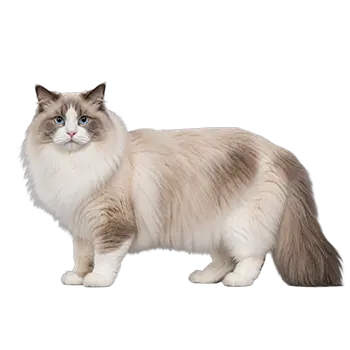

Nutritional Needs

Ragamuffins are a large, solidly built breed that can weigh anywhere from ten to twenty pounds at maturity. Their size means they need a diet rich in high-quality animal protein to maintain lean muscle mass without encouraging excessive weight gain. Because this breed is naturally prone to a sedentary lifestyle, caloric density matters more than volume — you want nutrient-packed food that satisfies without overfeeding.

The Ragamuffin's luxurious semi-long coat depends heavily on dietary fat intake. Omega-3 and omega-6 fatty acids are essential for keeping the coat silky, reducing shedding, and preventing dry, flaky skin. Look for foods that list specific animal fats or fish oils in their ingredient panels rather than generic "animal fat" sources.

As with all cats, Ragamuffins are obligate carnivores. Their bodies are designed to derive nutrition primarily from meat, and they have a limited ability to process carbohydrates. A diet built around named animal proteins — such as chicken, turkey, salmon, or duck — provides the amino acids they need, including taurine, which is critical for heart and eye health.

Ragamuffins can be prone to urinary tract issues, so hydration plays a key role in their overall nutritional plan. Wet food, raw food, or moisture-rich toppers can supplement a dry kibble diet and help ensure adequate water intake. Some owners find that a combination of dry and wet food strikes the best balance between dental health benefits and hydration.

What to Look For

The first ingredient on any cat food label should be a named animal protein. Avoid products that lead with grain fillers, by-product meals, or vague protein sources. For a large breed like the Ragamuffin, a protein content of at least thirty percent on a dry matter basis is a reasonable minimum, with many premium options exceeding forty percent.

Fat content should fall in the range of twelve to twenty percent for adult Ragamuffins, depending on their activity level. Kittens and younger cats need higher fat content to fuel growth, while older or less active adults benefit from moderate fat levels to prevent obesity. Always check the guaranteed analysis panel rather than relying on front-of-package marketing claims.

Ingredient quality matters more than ingredient count. A shorter ingredient list with recognizable, whole-food components is generally preferable to a lengthy panel filled with synthetic additives and chemical preservatives. Natural preservatives like tocopherols and rosemary extract are better options than BHA, BHT, or ethoxyquin.

Consider the carbohydrate content as well. While cats can tolerate some carbohydrates, excessive grain or starch content can contribute to weight gain and blood sugar fluctuations. Grain-free formulas are an option, but the key factor is overall carbohydrate percentage rather than the simple presence or absence of grains.

Recommended Dry Food

Dry kibble remains a practical staple for many Ragamuffin owners because of its convenience, shelf stability, and dental benefits. When selecting a dry food, prioritize formulas designed for large or indoor cats, as these tend to account for the lower activity levels and weight management needs typical of the breed.

Look for kibble with a protein-forward ingredient list and moderate calorie density. Some formulas include added fiber to promote satiety and healthy digestion, which can help prevent the overeating that Ragamuffins are sometimes prone to. Hairball control formulas can also be beneficial given the breed's dense, semi-long coat.

Kibble size and texture can influence how well your Ragamuffin takes to a particular food. Larger breeds sometimes prefer slightly bigger kibble pieces that encourage chewing rather than gulping. This can also provide mild abrasive action against tartar buildup on teeth.

Store dry food in an airtight container to preserve freshness and prevent fat oxidation, which can degrade nutritional quality and make the food less palatable. Even premium kibble loses value if stored improperly, so investing in a good storage container is a worthwhile step.

Wet & Fresh Options

Wet food is an excellent complement to a Ragamuffin's diet, offering higher moisture content that supports kidney and urinary tract health. Many veterinary nutritionists recommend that cats receive at least a portion of their daily calories from wet food to ensure adequate hydration, particularly for breeds that may not drink enough water on their own.

Pâté-style wet foods tend to have higher protein content and fewer fillers than chunks-in-gravy formulas, though both can be good options depending on the specific product. Check the ingredient list carefully — some gravy-based foods rely heavily on thickeners and starches that add carbohydrates without nutritional benefit.

Fresh and raw diet options have grown in popularity and can be suitable for Ragamuffins when sourced from reputable producers that follow food safety standards. These diets often feature minimally processed ingredients and higher bioavailability of nutrients. However, they require careful handling and refrigeration, and they tend to come at a higher price point.

If you choose to mix wet and dry food, keep the total daily caloric intake consistent. It is easy to overfeed when offering both formats, so measure portions carefully and adjust quantities based on your cat's weight trends and body condition score.

Treats & Supplements

Treats should make up no more than ten percent of your Ragamuffin's daily caloric intake. Choose treats that are high in protein and low in fillers, as these align with a cat's natural dietary needs. Freeze-dried meat treats are a popular option that most cats find highly palatable without the added sugars or artificial flavors found in some commercial treats.

For Ragamuffins, coat-supporting supplements can be particularly worthwhile. Fish oil supplements rich in EPA and DHA can enhance coat luster, reduce inflammatory skin conditions, and support joint health as the cat ages. These are available as liquid pump bottles that can be added directly to food or as soft chew formats.

Probiotic supplements may benefit Ragamuffins with sensitive stomachs or those transitioning between food types. A healthy gut microbiome supports nutrient absorption and immune function. Look for feline-specific probiotic formulas with multiple bacterial strains and guaranteed colony-forming unit counts.

Joint supplements containing glucosamine and chondroitin can be a proactive choice for this larger breed, particularly as they move into their senior years. The additional body weight carried by Ragamuffins places more stress on joints, and early supplementation may help maintain mobility and comfort over time.

Foods to Avoid

Several common human foods are toxic to cats and should never be offered to your Ragamuffin. Onions, garlic, chives, and related alliums can cause oxidative damage to red blood cells, leading to anemia. Even small amounts cooked into sauces or broths can be harmful, so keep all allium-containing foods well out of reach.

Chocolate and caffeine contain theobromine and methylxanthines that cats cannot metabolize efficiently. Ingestion can cause vomiting, diarrhea, rapid heart rate, seizures, and in severe cases, death. Grapes, raisins, and currants are also dangerous, with the potential to cause acute kidney failure even in small quantities.

Raw eggs and raw fish served outside of commercially prepared raw diets can carry salmonella or E. coli and may also contain enzymes that interfere with nutrient absorption. Avidin in raw egg whites, for example, can block biotin uptake. Cooked eggs offered in moderation are generally safe, but raw preparations should be avoided unless they are part of a pathogen-tested commercial formula.

Dairy products are another common pitfall. Most adult cats are lactose intolerant, and feeding milk, cheese, or cream can cause digestive upset including bloating, gas, and diarrhea. While small amounts may not cause visible symptoms in every cat, dairy offers little nutritional value and is best avoided as a regular dietary component.

Feeding Schedule

Adult Ragamuffins generally do well on two measured meals per day, spaced roughly twelve hours apart. This structured approach helps regulate caloric intake and prevents the grazing behavior that can lead to weight gain in indoor cats. Consistent meal times also make it easier to monitor appetite changes that could signal health issues.

Kittens under six months of age should be fed three to four smaller meals throughout the day to support their rapid growth and high metabolic demands. Between six months and one year, you can gradually transition to three meals, then to two meals as the cat reaches full maturity around eighteen months to two years of age.

Free-feeding — leaving dry food available at all times — is generally not recommended for Ragamuffins due to their tendency toward obesity. If your schedule makes timed meals difficult, consider a timed automatic feeder that dispenses measured portions at set intervals. This provides structure without requiring you to be home at feeding time.

Monitor your Ragamuffin's body condition regularly by feeling along the ribcage and observing the waistline from above. You should be able to feel the ribs without pressing hard, and there should be a visible tuck at the waist. Adjust portion sizes up or down based on these checks rather than relying solely on the feeding guidelines printed on food packaging, which tend to overestimate portions.

Always consult a qualified professional before making any health-related decisions. This content is provided for informational reference only and should not replace professional guidance specific to your animal.