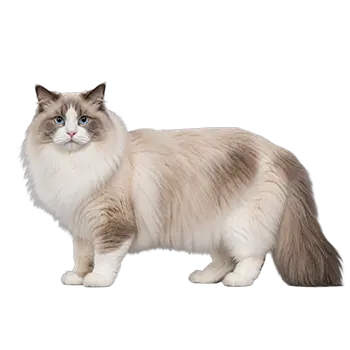

Space Requirements

Ragamuffins are large cats, but their calm and docile temperament means they do not demand sprawling territory the way more active breeds might. That said, their size means they need furniture, perches, and resting spots that can physically accommodate them. A standard apartment or house provides plenty of space as long as the vertical and horizontal environment is thoughtfully arranged.

Vertical space is important even for a laid-back breed. Cat trees, wall-mounted shelves, and elevated perches give Ragamuffins options for surveying their environment from a safe height, which satisfies a natural feline instinct. Make sure any elevated surfaces are rated for the weight of a large cat — many cat trees are designed for smaller breeds and may wobble or tip under a twenty-pound Ragamuffin.

Horizontal territory matters too. Ragamuffins enjoy being near their owners, so plan resting spots in the rooms where you spend the most time. A bed in the living room, a perch near a window in the kitchen, and a quiet retreat in a bedroom gives the cat choices throughout the day without requiring a dedicated room.

If you live in a smaller space, focus on maximizing usable surfaces rather than floor area. Wall-mounted steps, window hammocks, and stackable cubes can create a rich environment without consuming valuable floor space. The goal is to provide variety and choice within whatever square footage you have.

Cat Trees & Perches

A sturdy cat tree is arguably the single most important piece of cat furniture for a Ragamuffin. Because of their weight, you need to look for trees with a wide, heavy base and thick support posts. Solid wood or engineered wood platforms are more reliable than lightweight particleboard, which can sag or split under sustained use by a large cat.

Post diameter matters significantly. Scratching posts integrated into cat trees should be at least four inches in diameter and wrapped in sisal rope rather than carpet, which can snag claws and shed fibers. Taller posts allow the cat to stretch fully while scratching, which is important for a breed with a long body. A minimum height of about three feet for the main scratching surface gives a Ragamuffin adequate reach.

Platforms and cradles should be generously sized — at least eighteen inches across for lounging platforms. Many cat trees feature small, enclosed cubbies that work well for kittens or small breeds but are too cramped for an adult Ragamuffin. Open platforms with raised edges or U-shaped cradles tend to be more practical for larger cats.

Placement is as important as the tree itself. Position cat trees near windows so your Ragamuffin can watch outdoor activity, which provides passive enrichment. Avoid placing them in high-traffic corridors where the cat might feel exposed, and ensure the tree is on a level surface to prevent wobbling.

Beds & Sleeping Areas

Ragamuffins are famously affectionate and often prefer to sleep near or on their owners. Despite this, providing dedicated beds gives them options for independent rest and helps distribute fur and dander across designated spots rather than every piece of furniture in the house. Look for beds with removable, machine-washable covers, as the Ragamuffin's dense coat sheds moderately and will accumulate in fabric.

Bolster beds and donut-style beds are popular choices for cats that like to curl up with head support. For a Ragamuffin, choose beds with an interior diameter of at least eighteen to twenty inches to accommodate their larger frame. Memory foam or high-density polyfill provides the cushioning needed to support a heavier cat's joints, particularly as they age.

Heated beds can be a good investment for older Ragamuffins or those in cooler climates. Low-wattage heating pads designed specifically for pets maintain a gentle warmth that soothes joints and muscles without posing a burn risk. Look for models with auto-shutoff features and chew-resistant cords for safety.

Consider placing beds at different heights and in different rooms. A floor-level bed in a quiet corner serves as a retreat, while an elevated window perch doubles as both a bed and an observation post. Having multiple sleeping options lets your Ragamuffin self-select based on mood, temperature, and time of day.

Carriers & Travel Housing

Every Ragamuffin owner needs a carrier that can comfortably contain a large cat for veterinary visits, travel, and emergencies. Hard-sided carriers with top-loading doors are generally easier to use with a calm, heavy cat — you can lower the cat in from above rather than trying to push them through a front door. Look for carriers rated for at least twenty-five pounds to provide a comfortable margin.

Soft-sided carriers offer lighter weight and more flexible storage, but they must have reinforced frames and sturdy zippers to prevent a determined cat from escaping. Check that the floor panel is rigid enough to support the cat's weight without sagging, which can feel unstable and increase stress during transport.

For longer trips, consider a larger travel crate that allows room for a small litter tray, water dish, and bedding. Airline-compliant crates have specific dimension and ventilation requirements that vary by carrier, so verify specifications before purchasing if air travel is a possibility. Most Ragamuffins will need a medium-to-large crate that fits under neither airline seat — they will typically need to travel as checked or cargo pets on airlines that allow it.

Familiarity reduces travel stress. Leave the carrier out in your home with the door open, a soft blanket inside, and occasional treats placed within. Over time, your Ragamuffin will come to see it as a safe resting spot rather than a signal that something unpleasant is about to happen.

Outdoor Enclosures & Catios

Ragamuffins are typically indoor cats, but many owners want to give them supervised access to fresh air and outdoor stimulation. Catios — enclosed outdoor patios designed for cats — are an increasingly popular solution that provides the benefits of outdoor exposure without the risks of free roaming. These range from small window-box enclosures to full walk-in structures attached to the home.

When selecting or building a catio, use materials that can withstand weather and resist a cat's claws. Galvanized wire mesh or welded steel panels are more durable than standard window screening, which a determined cat can tear. Ensure all joints and connections are secure, with no gaps larger than an inch that could allow escape or permit wildlife entry.

Furnish the catio with weather-resistant shelving, ramps, and resting platforms at multiple heights. Include shaded areas and a waterproof roof section so the cat has protection from sun and rain. Natural elements like untreated wood branches, cat-safe plants, and a shallow tray of grass can enrich the experience and engage the cat's senses.

If a permanent catio is not feasible, portable pop-up mesh enclosures can serve a similar purpose for supervised outdoor time. These fold flat for storage and can be set up on a patio or in a yard. They are not as secure as permanent structures, so always supervise your cat when using a temporary enclosure and check for wear or damage before each use.

Multi-Cat Households

Ragamuffins are generally sociable and adapt well to living with other cats, but successful multi-cat housing depends on providing enough resources to prevent competition and stress. The general rule is one of each key resource per cat, plus one extra — this applies to litter boxes, feeding stations, water sources, and resting spots. Resource scarcity is the most common trigger for inter-cat conflict.

Territorial layout matters in a multi-cat home. Avoid placing all cat furniture in a single room, which forces cats to share a concentrated space and can lead to guarding behavior. Distribute cat trees, beds, and scratching posts across multiple rooms so each cat can claim preferred spots without displacing another.

Vertical separation is one of the most effective strategies for multi-cat harmony. When cats can occupy different levels of a room — one on the floor, one on a shelf, one on top of a cat tree — they share the same space without direct competition. Wall-mounted shelves and tall cat trees effectively multiply the usable territory in any room.

Introduce new cats gradually using a separate room with its own resources, then allow supervised scent exchange and visual contact before opening up shared spaces. Ragamuffins tend to be accepting of newcomers compared to more territorial breeds, but a rushed introduction can still create lasting tension. Patience during the introduction period pays dividends in long-term household peace.

Always consult a qualified professional before making any health-related decisions. This content is provided for informational reference only and should not replace professional guidance specific to your animal.