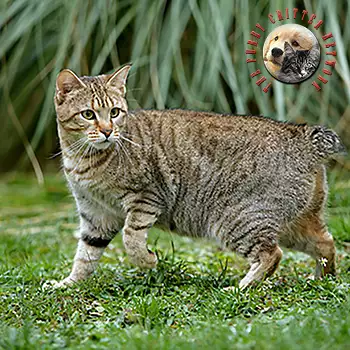

Pixie-Bobs are larger-than-average cats with an active, curious disposition that demands adequate living space. While they adapt to apartment living more readily than some high-energy breeds, they still need room to move, climb, and explore. A cramped environment with no vertical space or enrichment zones will leave a Pixie-Bob restless and potentially destructive — these cats are intelligent problem-solvers who will find their own entertainment if none is provided.
Vertical space matters as much as floor area for cats, and the Pixie-Bob is no exception. Cat trees, wall-mounted shelves, and elevated perches effectively multiply usable territory within any room. A well-designed vertical environment allows a Pixie-Bob to survey its domain from above, satisfying the instinctive desire for elevated vantage points while keeping the cat engaged and physically active throughout the day.
Territory mapping is an important behavioral consideration. Cats organize their environment into distinct zones for sleeping, eating, playing, and eliminating. These zones should be separated enough that the cat perceives them as distinct areas. A Pixie-Bob forced to eat next to its litter box or sleep beside a noisy appliance will experience low-level stress that manifests in behavioral or health problems over time.
For multi-room homes, ensuring the Pixie-Bob has access to several rooms provides natural environmental variety and reduces boredom. Closing off most of the house while expecting the cat to thrive in a single room contradicts the breed's social, exploratory nature. If certain rooms must remain off-limits, compensate by enriching the accessible spaces with climbing structures, window perches, and interactive elements.