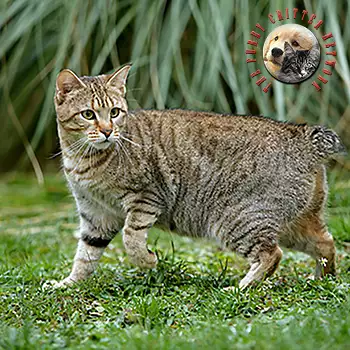

The Pixie-Bob's dog-like temperament makes them one of the more leash-trainable cat breeds, which means harness and leash selection is a practical consideration rather than a novelty. A well-fitted harness distributes pressure across the chest and shoulders rather than the neck, preventing escape and reducing the risk of tracheal injury. Cats are significantly more flexible than dogs and can slip out of poorly fitted harnesses by backing up and contracting their shoulders, so adjustable straps with secure buckles are essential.
H-style and vest-style harnesses each have advantages for Pixie-Bobs. H-style harnesses are lightweight and allow full range of motion, making them comfortable for cats accustomed to harness wear. Vest-style harnesses distribute pressure more broadly and are harder to escape, making them better for cats still in training or those that panic and twist. For a large Pixie-Bob, ensure the harness is rated for cats in the fifteen-to-twenty-pound range — undersized products restrict movement and create discomfort that the cat will associate with the harness itself.
Breakaway collars are the only appropriate collar type for cats. Unlike buckle or snap collars, breakaway collars release under pressure if the cat becomes snagged on a branch, fence, or furniture, preventing strangulation. Even indoor Pixie-Bobs benefit from a breakaway collar carrying identification, as escape through an open door is always possible. The collar should be snug enough that only one or two fingers fit between the collar and the cat's neck — loose enough for comfort but tight enough to prevent the cat from catching its jaw on the collar during grooming.
Leash length for cat walking differs from dog walking conventions. A four-to-six-foot leash provides enough freedom for exploration without allowing the cat to reach hazards. Retractable leashes are generally inappropriate for cats because the sudden stop when the line extends fully can startle the cat and trigger panic. A lightweight, fixed-length leash with minimal hardware gives the handler better control and the cat a more predictable experience during walks.