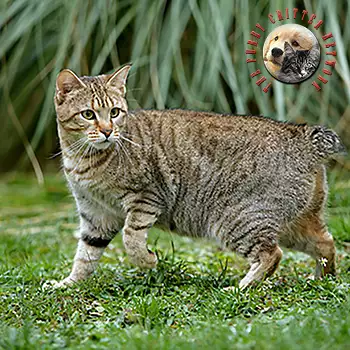

Nutritional Needs

The Pixie-Bob is a muscular, solidly built cat that can weigh anywhere from eight to seventeen pounds at maturity. That substantial frame demands a diet rich in high-quality animal protein to maintain lean muscle mass and support an active metabolism. Because this breed tends toward a stocky, powerful build rather than a lean or delicate one, caloric intake needs careful calibration — enough fuel to sustain energy without encouraging excess weight gain that can stress joints over time.

As obligate carnivores, Pixie-Bobs thrive on diets where named animal proteins appear as the first several ingredients. Look for foods built around poultry, fish, or red meat sources rather than plant-heavy formulations that rely on grain or legume proteins as primary building blocks. The breed's moderate-to-high activity level means they burn through calories more readily than sedentary cats, but individual needs vary based on age, indoor-versus-outdoor lifestyle, and whether the cat has been spayed or neutered.

Fat content matters as well. Healthy animal fats and omega fatty acids support the Pixie-Bob's dense double coat, which can range from short to medium in length and carries a distinctive woolly texture. A diet too low in fat often shows up first in coat quality — dullness, excessive shedding, or dry skin. Conversely, excessive fat contributes to obesity, which is a genuine concern for any large-framed cat breed. Aim for foods that balance fat content in the range appropriate for an adult cat of moderate activity.

Taurine is a non-negotiable amino acid for all cats, but it bears special mention because deficiency leads to serious cardiac and vision problems. Quality commercial cat foods include adequate taurine, but owners who prepare homemade or raw diets need to ensure supplementation. The Pixie-Bob's large heart muscle makes cardiovascular health a priority, and taurine is the nutritional cornerstone of that support.

What to Look For

When evaluating cat food for a Pixie-Bob, start with the ingredient panel. Named animal proteins — chicken, turkey, salmon, or beef — should appear before any grains, starches, or fillers. Ingredient lists are ordered by weight, so the first three to five entries tell you what the food is actually made of. Avoid products where the protein source is vague, such as generic terms for meat or poultry without specifying the animal.

Guaranteed analysis panels reveal crude protein, fat, fiber, and moisture percentages. For an adult Pixie-Bob maintaining a healthy weight, look for dry foods offering at least thirty percent protein and moderate fat levels. Wet foods naturally show lower percentages because of their high moisture content, so compare on a dry-matter basis when evaluating side by side. Fiber content should remain moderate — enough to support digestion without displacing caloric density.

Artificial colors, flavors, and chemical preservatives have no nutritional role and are best avoided. Natural preservation methods using tocopherols or rosemary extract are common in higher-quality foods. Similarly, added sugars or excessive salt can appear in lower-tier products and serve no purpose in a cat's diet. The Pixie-Bob's robust constitution does not make them immune to the cumulative effects of poor-quality ingredients over a lifetime.

Consider the manufacturer's quality control and sourcing transparency. Companies that disclose where their ingredients originate, conduct feeding trials rather than relying solely on formulation calculations, and maintain consistent recipes batch to batch tend to produce more reliable products. Frequent formula changes or recalls are red flags regardless of how appealing the packaging or marketing language appears.

Recommended Dry Food

Dry kibble remains a practical staple for many Pixie-Bob owners because of its shelf stability, dental benefits, and cost efficiency. The best dry foods for this breed prioritize animal protein density and avoid excessive carbohydrate filler. Since Pixie-Bobs are muscular cats, a kibble formulated for active or large-breed cats often aligns well with their macronutrient requirements.

Kibble size and texture can influence acceptance. Some Pixie-Bobs prefer larger kibble pieces that require genuine chewing, which can help with dental tartar control. Others eat quickly regardless of kibble shape. Observing your cat's eating behavior helps determine whether a particular size or texture suits them — rapid swallowing without chewing suggests the pieces may be too small to offer any mechanical cleaning benefit.

Grain-inclusive versus grain-free formulations remain a personal choice for cat owners, as cats do not have the same grain-sensitivity concerns documented in certain dog breeds. High-quality grains like brown rice or oatmeal can provide useful fiber and energy, while grain-free options substitute legumes or potatoes. Neither approach is inherently superior for Pixie-Bobs as long as the protein source and overall nutritional profile meet the breed's needs.

Storage matters more than many owners realize. Dry food exposed to air, heat, or humidity degrades nutritionally and can develop rancid fats or mold. Keeping kibble in its original bag inside a sealed container, stored in a cool and dry location, preserves freshness and reduces the risk of contamination. Buying in bulk saves money only if the food is consumed before quality deteriorates.

Wet & Fresh Options

Wet food provides significant hydration benefits for Pixie-Bobs, which is particularly valuable because cats as a species tend to have a low thirst drive. Chronic mild dehydration contributes to urinary tract issues over time, and incorporating wet food into the diet is one of the simplest ways to increase daily water intake. For a breed as large and active as the Pixie-Bob, adequate hydration supports kidney function and overall metabolic health.

Pate, shredded, and chunk-in-gravy textures each have their adherents among Pixie-Bobs. Texture preference is individual and often established early — kittens raised on pate may refuse shredded formulas and vice versa. Offering variety during kittenhood can prevent the kind of rigid food fixation that makes dietary transitions difficult later in life, especially if a veterinary diet ever becomes necessary.

Fresh and refrigerated cat food options have expanded considerably and offer minimally processed alternatives to traditional canned products. These foods typically use whole-food ingredients with gentle cooking methods that preserve nutrient integrity. The trade-off is shorter shelf life and higher cost per serving. For Pixie-Bob owners who prioritize ingredient transparency and minimal processing, fresh options can complement or replace traditional wet food.

Raw diets occupy a separate category and carry both potential benefits and genuine risks. Proponents cite improved coat quality and energy levels, while veterinary organizations consistently warn about bacterial contamination risks to both cats and household members. If raw feeding appeals to you, working with a veterinary nutritionist to formulate a balanced recipe is essential — improvised raw diets frequently lack critical nutrients despite appearing wholesome.

Treats & Supplements

Treats serve a real purpose beyond indulgence — they reinforce training, strengthen the human-animal bond, and can deliver functional nutrients. Pixie-Bobs are notably trainable for cats, often learning commands and tricks with enthusiasm, which makes treat selection a practical training consideration. Choose treats with identifiable protein sources and minimal filler, and keep total treat calories below ten percent of daily intake to avoid nutritional imbalance.

Freeze-dried single-protein treats — pure chicken, salmon, or liver — rank among the healthiest commercial options. They contain no additives, appeal to cats' carnivorous instincts, and carry a long shelf life without refrigeration. Dental treats designed to reduce tartar can also serve double duty for Pixie-Bobs prone to plaque buildup, though they should supplement rather than replace proper dental care.

Supplements are generally unnecessary when feeding a complete and balanced commercial diet, but specific situations warrant them. Omega-3 fatty acid supplements derived from fish oil can enhance coat quality and provide anti-inflammatory benefits for older Pixie-Bobs developing joint stiffness. Probiotic supplements support digestive health, particularly during dietary transitions or after antibiotic courses that disrupt gut flora.

Joint-support supplements containing glucosamine and chondroitin may benefit larger Pixie-Bobs as they age, especially those carrying extra weight. Hairball remedies — typically petroleum or malt-based pastes — can help manage the seasonal shedding that comes with the breed's dense double coat. Always introduce supplements one at a time so you can identify any adverse reactions, and consult your veterinarian before adding anything to an already balanced diet.

Foods to Avoid

Several common human foods pose serious risks to cats, and the Pixie-Bob's curious, dog-like personality can make counter-surfing and food theft more likely than with more aloof breeds. Onions, garlic, chives, and related alliums are toxic to cats even in small amounts, causing oxidative damage to red blood cells that can lead to anemia. Cooked, raw, and powdered forms are all dangerous, making seasoned leftovers a particular hazard.

Chocolate and caffeine contain theobromine and methylxanthines that cats metabolize poorly. While most cats show less interest in chocolate than dogs do, the risk remains real if exposure occurs. Grapes and raisins have been linked to acute kidney failure in some animals, and the mechanism is poorly understood enough that no safe dose has been established. Xylitol, an artificial sweetener found in sugar-free gum and some peanut butters, causes rapid insulin release and liver failure in pets.

Raw eggs, while occasionally recommended in raw-feeding circles, carry salmonella and E. coli risks and contain avidin, a protein that interferes with biotin absorption. Raw fish in excess can lead to thiamine deficiency due to the enzyme thiaminase. Bones — whether raw or cooked — can splinter and cause gastrointestinal perforation or obstruction, and should never be offered unsupervised regardless of claims about dental benefits.

Milk and dairy products are poorly tolerated by most adult cats, who lack sufficient lactase enzyme to digest lactose. Despite the cultural image of cats lapping milk, dairy consumption commonly causes diarrhea and digestive upset. Small amounts of plain yogurt or hard cheese are better tolerated by some individuals, but dairy should never constitute a meaningful part of a Pixie-Bob's diet. When in doubt about any food item, the safest approach is to withhold it and verify with your veterinarian.

Feeding Schedule

Pixie-Bob kittens under six months old generally do best with three to four small meals per day, supporting their rapid growth and high metabolic rate. As they approach their first birthday, transitioning to two measured meals per day establishes a routine that most adult Pixie-Bobs maintain comfortably for life. Scheduled feeding rather than free-feeding allows you to monitor appetite changes — one of the earliest indicators of health issues in cats.

Portion control is especially important for Pixie-Bobs because their large frame can mask gradual weight gain. A cat that looks proportional at fifteen pounds may actually be carrying two or three pounds of excess fat that only becomes apparent on veterinary examination. Use a kitchen scale or measuring cup to ensure consistent portions, and adjust quantities based on body condition rather than relying solely on feeding guidelines printed on packaging, which tend to overestimate.

Meal timing can align with your household schedule, but consistency matters. Cats are creatures of habit, and a Pixie-Bob accustomed to eating at specific times will vocalize — sometimes loudly — if meals are delayed. Morning and evening feedings work well for most households and mimic the natural dawn-and-dusk hunting pattern of wild felids. If mixing wet and dry food, offering wet food at scheduled mealtimes and leaving a measured amount of dry food for grazing can satisfy both nutritional and behavioral needs.

Water availability deserves equal attention. Fresh water should be accessible at all times, ideally in multiple locations around the home. Many cats prefer running water, making a pet fountain a worthwhile investment for encouraging adequate hydration. Position water sources away from food bowls and litter boxes — cats instinctively prefer separation between these resources, a behavior rooted in their wild ancestors' habit of avoiding contamination at water sources.

Always consult a qualified professional before making any health-related decisions. This content is provided for informational reference only and should not replace professional guidance specific to your animal.