
Nutritional Needs

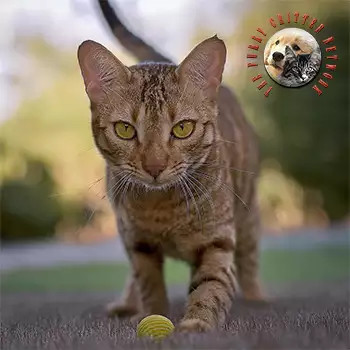
The Ocicat is a muscular, athletic breed with a surprisingly solid frame beneath its sleek spotted coat. That active build demands a diet rich in high-quality animal protein to maintain lean muscle mass and support the breed's naturally high energy levels. Protein should be the cornerstone of every meal, with named meat sources listed as the first ingredient on any food you consider.

Because Ocicats tend to be more active than many domestic breeds, their caloric needs can run slightly higher than average for a cat of comparable weight. However, individual activity levels vary, and indoor Ocicats that don't get sufficient exercise can be prone to weight gain. Monitoring body condition regularly and adjusting portions accordingly is essential to keeping your Ocicat in peak form.

Fats from quality animal sources provide concentrated energy and support coat health, which is important for maintaining the Ocicat's distinctive glossy, close-lying spotted coat. Omega-3 and omega-6 fatty acids contribute to skin integrity and a lustrous appearance. A moderate fat content in the range of twelve to eighteen percent is generally appropriate for most adult Ocicats.

Taurine is an essential amino acid for all cats, and deficiency can lead to serious cardiac and vision problems. Any complete and balanced commercial cat food will include adequate taurine, but it's worth verifying on the label, especially if you supplement with home-prepared meals. Adequate hydration is equally critical, as cats in general are prone to low water intake, which can stress the kidneys over time.

What to Look For

When evaluating cat food for your Ocicat, start with the ingredient list. A named animal protein such as chicken, turkey, salmon, or duck should appear as the first ingredient. Avoid products that lead with vague terms like "meat meal" or "animal by-products," as these offer little transparency about what your cat is actually consuming.

Look for foods that meet AAFCO standards for the appropriate life stage. Kittens, adults, and seniors each have different nutritional profiles, and an "all life stages" formula, while convenient, may not be optimized for your Ocicat's current needs. Life-stage-specific formulas tend to calibrate protein, fat, and mineral ratios more precisely.

Avoid foods with excessive filler ingredients such as corn, wheat, or soy as primary components. While small amounts of grains are not inherently harmful to most cats, they should not dominate the formula. Grain-free options are available but are not automatically superior — the quality of the protein sources matters far more than the presence or absence of grains.

Artificial colors, flavors, and chemical preservatives are unnecessary additives that offer no nutritional benefit. Natural preservatives like tocopherols (vitamin E) and rosemary extract are preferable. Pay attention to the guaranteed analysis panel for minimum protein and fat percentages, and compare these against your veterinarian's recommendations for your specific cat's condition.

Recommended Dry Food

Dry kibble offers convenience, shelf stability, and dental benefits through mechanical abrasion during chewing. For Ocicats, look for a high-protein dry formula with at least thirty-five percent crude protein and moderate fat content. The kibble size should be appropriate for a medium-to-large cat — pieces that are too small may be swallowed whole without chewing.

The carbohydrate content of dry food tends to be higher than wet food due to the extrusion process used in manufacturing. While this is a trade-off inherent to the format, better-quality dry foods minimize carbohydrate load by using ingredients like sweet potatoes, peas, or lentils rather than corn or wheat gluten as binders.

Store dry food in an airtight container to preserve freshness and prevent fat oxidation, which can cause the food to go rancid and lose nutritional value. Avoid buying in quantities so large that the food sits open for months. Even the best kibble loses palatability and nutritional integrity over time once the bag is opened.

If your Ocicat is a free-feeder, dry food works well for measured portions left out during the day. However, monitor intake carefully, as the breed's social and food-motivated nature can lead to overconsumption. Puzzle feeders paired with dry kibble can slow eating speed and provide mental stimulation at the same time.

Wet & Fresh Options

Wet food is an excellent choice for Ocicats, primarily because of its high moisture content, which supports urinary tract and kidney health. Cats evolved as desert animals and often do not drink enough water on their own, making moisture-rich food a practical way to boost daily hydration. Pâté, shredded, and minced textures are all suitable — let your cat's preference guide your choice.

Fresh and refrigerated cat foods have gained popularity as a middle ground between traditional wet food and raw diets. These products are minimally processed and often feature whole-food ingredients with shorter shelf lives. They can be a good option for Ocicats with sensitive stomachs or owners who want a closer-to-whole-food diet without the complexity of raw feeding.

Raw diets are a more involved option that some Ocicat owners pursue. If you choose this route, work closely with a veterinary nutritionist to ensure the diet is complete and balanced. Homemade raw diets that are not properly formulated can lead to dangerous nutrient deficiencies, particularly in calcium, taurine, and essential fatty acids.

Combining wet and dry food in a split-feeding approach is a practical strategy that captures the benefits of both formats. Offering wet food at structured mealtimes and a measured portion of dry food for daytime grazing gives your Ocicat hydration, dental benefit, and variety.

Treats & Supplements

Treats are a useful tool for bonding and training, and Ocicats — being highly social and trainable cats — respond well to food rewards. Choose treats made from single-ingredient proteins like freeze-dried chicken, salmon, or shrimp. These offer high palatability without the fillers, sugars, and artificial additives found in many commercial treat products.

Limit treats to no more than ten percent of your Ocicat's daily caloric intake. It is easy to over-treat an enthusiastic, food-motivated cat, and excess treat calories can quietly contribute to weight gain over time. If you train with treats frequently, reduce the size of each treat piece and adjust meal portions accordingly.

Supplements are generally unnecessary if your Ocicat is eating a complete and balanced commercial diet. However, certain situations may warrant targeted supplementation. Omega fatty acid supplements can benefit coat quality, probiotics may support digestive health during dietary transitions, and joint supplements containing glucosamine and chondroitin may be appropriate for older Ocicats showing early signs of stiffness.

Always consult your veterinarian before introducing any supplement. Over-supplementation of certain nutrients, particularly fat-soluble vitamins like A and D, can cause toxicity. A balanced diet should be the foundation, with supplements used only to address specific, identified needs.

Foods to Avoid

Several common human foods are toxic to cats and should never be offered to your Ocicat. Onions, garlic, chives, and leeks — whether raw, cooked, or powdered — can cause oxidative damage to red blood cells, leading to anemia. Grapes and raisins have been linked to kidney damage, and chocolate contains theobromine, which cats metabolize very slowly.

Raw eggs carry a risk of salmonella and contain avidin, a protein that interferes with biotin absorption. Cooked eggs in small amounts are generally safe, but raw eggs should be avoided. Similarly, raw fish contains thiaminase, an enzyme that destroys thiamine (vitamin B1), and regular consumption can lead to a serious deficiency.

Dairy products are poorly tolerated by most adult cats, including Ocicats. Despite the popular image of cats drinking milk, most are lactose intolerant after weaning, and dairy can cause digestive upset including diarrhea and vomiting. If your cat enjoys dairy-like treats, look for lactose-free options formulated specifically for cats.

Be cautious with foods that contain xylitol, an artificial sweetener found in some peanut butters, candies, and baked goods. While xylitol toxicity is better documented in dogs, it is best to keep all xylitol-containing products away from cats as a precaution. When in doubt about any food item, err on the side of not offering it and consult your veterinarian.

Feeding Schedule

Most adult Ocicats do well on two structured meals per day, typically morning and evening. This schedule aligns with the natural hunting rhythm of cats and provides regular opportunities to monitor appetite and food intake. Consistent meal timing also helps regulate digestion and makes it easier to notice if your cat's eating habits change, which can be an early indicator of health issues.

Kittens under six months of age require more frequent feeding — three to four meals per day — to support their rapid growth and high metabolic rate. From six months to one year, you can transition to three meals daily, then settle into the adult twice-daily schedule. Follow the feeding guidelines on your chosen food as a starting point, then adjust based on your kitten's growth rate and body condition.

Portion control is important for Ocicats because their muscular build can mask gradual weight gain. Use a kitchen scale or measuring cup to ensure consistent portions rather than eyeballing amounts. Your veterinarian can help you determine the appropriate daily caloric intake based on your cat's weight, age, activity level, and body condition score.

Fresh water should be available at all times, ideally in multiple locations around the home. Many cats prefer running water, so a pet water fountain can encourage increased water consumption. If your Ocicat eats primarily dry food, paying extra attention to water intake becomes especially important for long-term kidney and urinary health.

Always consult a qualified professional before making any health-related decisions. This content is provided for informational reference only and should not replace professional guidance specific to your animal.