
Space Requirements

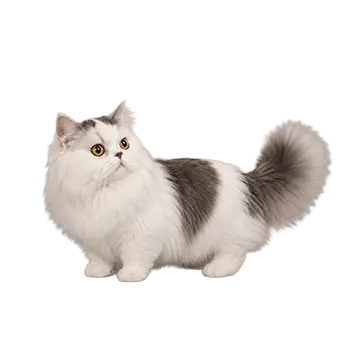
Napoleon cats are well-suited to apartment and indoor living thanks to their moderate size and calm disposition. Unlike larger, high-energy breeds that demand extensive running space, Napoleons are content in standard-sized homes as long as their environment provides adequate vertical and horizontal enrichment. A one-bedroom apartment can be perfectly comfortable for a Napoleon provided it includes climbing structures, resting perches, and designated play areas.

Vertical space is important but requires special consideration for this breed. Because Napoleons have shorter legs, they cannot leap as high as standard-legged cats. Cat trees, shelves, and perches should be arranged with closely spaced tiers or ramps that allow gradual climbing rather than demanding large vertical jumps. A well-designed vertical layout lets your Napoleon enjoy elevated vantage points without risking injury from missed landings.

Horizontal territory matters just as much. Napoleons enjoy exploring at ground level, weaving through tunnels, and darting across open floor space during play sessions. Keeping pathways clear and providing floor-level hideaways gives them the freedom to move naturally. If you live in a multi-room home, ensure your Napoleon has access to multiple rooms so they can follow household activity and choose their preferred resting spot throughout the day.

Designating quiet retreat zones is essential for any indoor cat. Napoleons are sociable and enjoy human company, but they also appreciate having a private space where they can withdraw when overstimulated or simply tired. A covered bed in a low-traffic corner or a shelf nook with a soft blanket can serve as a reliable sanctuary that your cat returns to whenever they need solitude.

Cat Trees & Climbing Structures

Cat trees are a centerpiece of indoor feline environments, and choosing the right design for a Napoleon requires attention to platform spacing and overall stability. Look for cat trees with platforms spaced no more than ten to twelve inches apart vertically, allowing your Napoleon to step comfortably between levels rather than stretching or jumping across large gaps. Trees with built-in ramps or inclined walkways are particularly well-suited to this breed.

Stability is non-negotiable. Napoleons may be small, but a wobbly cat tree discourages use and poses a tipping hazard. Wide, heavy bases are preferable, and ceiling-anchored designs offer the most secure option for taller structures. Check that all platforms are firmly attached and can support your cat's weight without wobbling or flexing, as an unstable surface will quickly make your Napoleon avoid the tree entirely.

Material choices affect both durability and comfort. Sisal-wrapped posts provide excellent scratching surfaces and tend to hold up well over time. Carpeted platforms give comfortable resting areas, though they can trap hair and require regular vacuuming. Some cat trees feature removable, washable platform covers, which are a practical choice for long-coated Napoleons who shed consistently. Solid wood or engineered wood frames last longer than pressed cardboard alternatives.

Wall-mounted shelving systems offer a space-efficient alternative to freestanding cat trees. These can be configured as a staircase pattern ascending a wall, providing climbing exercise without consuming floor space. For Napoleons, install shelves with a gentle incline between each level and add non-slip surfaces or padding to each shelf. This approach works especially well in smaller apartments where a full-sized cat tree would dominate the room.

Beds & Sleeping Areas

Napoleons are enthusiastic sleepers who may spend sixteen or more hours per day resting, making bed selection a meaningful decision. Enclosed beds with a canopy or hood are often favorites because they offer warmth, security, and a den-like atmosphere. Bolster-style beds with raised edges provide a headrest and a sense of containment without being fully enclosed, which appeals to cats who like to observe their surroundings while dozing.

Heated beds can be particularly beneficial for Napoleons, especially in cooler climates or during winter months. Their low-to-the-ground body position means they lose heat to cold floors more readily than taller breeds. Self-warming beds that reflect body heat offer a passive solution, while electrically heated pads with thermostatic controls provide adjustable warmth. Always choose heated beds with chew-resistant cords and automatic shutoff features for safety.

Placement affects how frequently your Napoleon uses a bed. Cats prefer sleeping locations that feel secure yet allow them to monitor household activity. Placing a bed against a wall or in a corner provides a protected back while leaving a clear sightline to the room. Elevated bed placements on shelves or window perches appeal to many cats, but ensure access is easy for your Napoleon's shorter legs — a step or low ramp leading to an elevated bed can make it accessible.

Multiple beds throughout the home encourage your Napoleon to rest comfortably wherever they happen to be. A bed in the living room, another in the bedroom, and a window perch bed for daytime sunbathing gives your cat options to suit their mood. Washable covers or machine-washable beds simplify maintenance, which is important given the dense coat of a Napoleon and the inevitable hair accumulation on sleeping surfaces.

Outdoor Enclosures

Outdoor enclosures, commonly called catios, allow Napoleon cats to experience fresh air, sunshine, and outdoor stimulation without the dangers of free roaming. Given that Napoleons are not built for evading predators or navigating rough terrain with their short legs, an enclosed outdoor space is the safest way to offer them outside time. Catios range from small window-box styles to large walk-in structures depending on available space and budget.

Window-mounted enclosures are the simplest entry point. These units attach to a window frame and extend outward, providing a screened compartment where your cat can sit and enjoy outdoor sights, sounds, and breezes. They require no yard space and can work for apartment dwellers with accessible windows. Ensure the screen mesh is sturdy enough to resist clawing and the frame is securely mounted to prevent any possibility of detachment.

Freestanding catios placed on a patio, deck, or in the yard offer substantially more room. A well-designed catio includes multiple levels with shelves or platforms, shaded areas for hot days, and weather protection for rain. For Napoleons, incorporate ramps between levels rather than relying on jumping. The enclosure should use galvanized wire or powder-coated mesh with openings small enough to prevent escape and exclude wildlife like snakes or rodents.

Access from the house to the catio is an important design consideration. Cat doors or tunnel systems connecting a window or wall opening to the enclosure allow your Napoleon to come and go freely during supervised periods. If a permanent cat door is not feasible, a removable panel or sliding window provides a simple alternative. Always supervise outdoor enclosure time initially to ensure the structure is secure and your Napoleon is comfortable using the access route.

Climate Considerations

Temperature regulation is an important aspect of housing for Napoleon cats. Their dense double coat, inherited from Persian lineage, provides insulation but can also cause overheating in warm environments. During summer months, ensure your home maintains a comfortable temperature and provide cool resting surfaces such as elevated mesh beds or cooling mats. Ceramic or stone tiles in a shaded area of the home can also offer a naturally cool spot for your Napoleon to lie on.

In winter, Napoleons may seek warmth more actively than longer-legged breeds because their bellies are closer to cold floors. Draft-free sleeping areas, heated beds, and raised platforms that keep them off cold surfaces all contribute to their comfort. If your home has hard flooring throughout, placing rugs or padded mats in your Napoleon's favorite resting spots creates warmer, more comfortable surfaces for lounging.

Humidity affects both comfort and coat health. Extremely dry indoor air, common during winter in heated homes, can lead to dry skin and static in your Napoleon's coat. A room humidifier set to maintain relative humidity between 40 and 60 percent benefits both you and your cat. Conversely, excessively humid environments can promote fungal skin conditions, so adequate ventilation is important in humid climates or during summer months.

If your Napoleon uses an outdoor enclosure, seasonal adjustments are necessary. Shade structures and frozen water bottles wrapped in towels provide cooling options during heat waves. In colder weather, insulated shelters with windbreaks ensure the enclosure remains comfortable for short outdoor visits. Regardless of the season, fresh water should always be available in both indoor and outdoor spaces, and extreme temperature days may warrant keeping your Napoleon indoors entirely.

Multi-Cat Households

Napoleon cats generally coexist well with other cats thanks to their gentle and sociable temperament, but a well-organized living space minimizes conflict and stress. The fundamental rule for multi-cat housing is to provide resources in a ratio of one per cat plus one extra. This applies to litter boxes, feeding stations, water sources, and resting areas. Distributing these resources across different rooms prevents territorial bottlenecking and reduces competition.

Vertical territory becomes especially important in multi-cat homes because it effectively multiplies the available living space. Multiple cat trees, shelving systems, and elevated perches allow cats to establish personal zones at different heights. For a Napoleon sharing space with standard-legged cats, ensure that some elevated spots are accessible via ramps or closely spaced steps so your Napoleon is not excluded from desirable perching locations by more agile housemates.

Introduction protocols matter when bringing a Napoleon into a home with existing cats or adding a new cat to a Napoleon's territory. A dedicated introduction room equipped with its own litter box, food, water, bedding, and scratching surface allows the new arrival to acclimate without direct confrontation. Gradual scent exchange through door gaps, bedding swaps, and supervised visual introductions over one to two weeks typically produces smoother cohabitation than abrupt introductions.

Monitor sleeping and resting behavior as a barometer of household harmony. Cats who are comfortable with each other will often sleep in proximity or share a room without tension. If your Napoleon consistently retreats to isolated areas, avoids common spaces, or shows stress signals like over-grooming, the environmental setup may need adjustment. Adding more hiding spots, creating separate feeding schedules, or rearranging furniture to break sightlines can resolve territorial pressure without requiring permanent separation.

Always consult a qualified professional before making any health-related decisions. This content is provided for informational reference only and should not replace professional guidance specific to your animal.