
Nutritional Needs

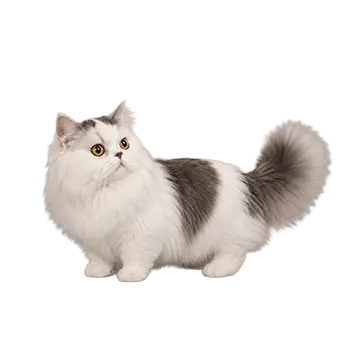
Napoleon cats are a dwarf breed resulting from a cross between Munchkins and Persian-type cats, and their compact stature comes with specific dietary considerations. Their short legs and relatively solid build mean they can be prone to weight gain if overfed, so calorie management is an important factor when selecting a food. A diet that emphasizes high-quality animal protein as the primary ingredient will support lean muscle mass while keeping their energy levels stable throughout the day.

Because Napoleons carry Persian lineage, they may inherit a predisposition toward kidney and urinary tract sensitivities. Foods formulated with controlled mineral levels, particularly phosphorus and magnesium, can support long-term renal health. Adequate hydration is equally important, and incorporating wet food or moisture-rich meals into their routine helps maintain proper kidney function and urinary tract balance.

Their dense coats, whether long or short, benefit from a diet rich in omega-3 and omega-6 fatty acids. These nutrients promote healthy skin and a lustrous, tangle-resistant coat. Look for foods that include fish oil or flaxseed as a supplemental fat source, as these contribute to coat quality while also supporting joint health, which is especially relevant for a breed with a unique skeletal structure.

Napoleons tend to be moderately active cats who enjoy bursts of play followed by extended periods of rest. Their metabolism reflects this pattern, so a nutrient-dense food that delivers balanced energy without excessive carbohydrate fillers is ideal. Avoid formulas that rely heavily on corn, wheat, or soy as primary ingredients, as these offer limited nutritional value and can contribute to digestive discomfort in sensitive cats.

What to Look For

When evaluating cat food for a Napoleon, the ingredient list is your most reliable tool. The first ingredient should always be a named animal protein such as chicken, turkey, salmon, or duck. Avoid products that list vague terms like "meat meal" or "animal by-products" without specifying the source, as these can vary in quality and digestibility from batch to batch.

Fat content should come from identifiable sources like chicken fat or salmon oil rather than generic "animal fat." A good formula for Napoleons will contain between 12 and 18 percent fat on a dry matter basis, providing enough energy for their playful temperament without encouraging excess weight gain. Paired with a protein content of at least 30 percent, this balance supports their muscular build and overall vitality.

Carbohydrate content is worth scrutinizing carefully. While cats are obligate carnivores and have limited ability to process carbohydrates efficiently, some starches are used as binders in kibble. Opt for formulas that use digestible carbohydrate sources like sweet potato, peas, or oats rather than refined grains. The total carbohydrate content should remain relatively low compared to protein and fat.

Added vitamins and minerals round out a complete diet. Taurine is essential for all cats and should be explicitly listed, as deficiency can lead to serious cardiac and vision problems. Vitamins A and E support immune function and skin health, while chelated minerals are generally more bioavailable than their oxide counterparts, meaning your cat absorbs more of what they consume.

Recommended Dry Food

Dry food offers convenience, dental benefits through mechanical abrasion, and a longer shelf life compared to other formats. For Napoleons, choose a kibble formulated for indoor or low-to-moderate activity cats, as these typically feature a calibrated calorie density that helps prevent weight creep. The kibble size matters too — Napoleons have relatively small mouths inherited from their Persian ancestry, so smaller kibble pieces are easier for them to pick up and chew comfortably.

Look for formulas that incorporate a blend of animal proteins rather than relying on a single source. Multi-protein recipes can provide a broader amino acid profile and may reduce the risk of developing food sensitivities over time. Grain-free options are available for cats with confirmed grain allergies, but for most Napoleons, a formula with wholesome grains like brown rice or barley is perfectly appropriate and can provide beneficial fiber for digestive regularity.

Storage and freshness directly impact nutritional quality. Once opened, dry food begins to oxidize, and the fats in the formula can go rancid within a few weeks if not stored properly. Keep kibble in its original bag inside an airtight container, stored in a cool and dry location. Buying smaller bags more frequently is preferable to bulk purchasing if your Napoleon is the only cat in the household, as this ensures each meal delivers its full nutritional value.

Feeding guidelines on the packaging are a starting point, not a prescription. Napoleons vary in their individual metabolism, so monitor your cat's body condition regularly and adjust portions accordingly. A healthy Napoleon should have a slight waist visible from above and ribs that are palpable but not prominently visible.

Wet & Fresh Options

Wet food is an excellent dietary component for Napoleon cats, primarily because of its high moisture content. Cats in general are not strong voluntary drinkers, and Napoleons with Persian heritage may be particularly prone to urinary and kidney concerns that benefit from increased fluid intake. A diet that includes wet food can deliver moisture levels of 75 to 80 percent per serving, significantly contributing to overall hydration.

Pâté-style wet foods tend to be more calorie-dense per ounce than chunks-in-gravy formulas, so they are a better option when you want to deliver concentrated nutrition in a smaller volume. Shredded or flaked varieties in broth can be useful for cats who need extra hydration incentive, as the broth adds fluid without substantially increasing caloric intake. Experiment with different textures to discover your Napoleon's preference, as individual cats can be quite particular.

Fresh and refrigerated cat food options have expanded significantly in recent years. These products are minimally processed, typically gently cooked, and formulated to meet complete nutritional requirements. They can be especially appealing for Napoleons who are picky eaters, as the aroma and texture closely resemble whole food. The trade-off is a shorter shelf life and higher cost per serving, so many owners use fresh food as a topper or rotational component rather than a sole diet.

When mixing wet and dry food, be mindful of total daily calorie intake. It is easy to overfeed when offering multiple formats throughout the day. Calculate the caloric contribution of each portion and adjust amounts so the combined total aligns with your Napoleon's target intake based on their weight, age, and activity level.

Treats & Supplements

Treats serve a dual purpose as both a bonding tool and a vehicle for supplemental nutrition, but they should never constitute more than ten percent of your Napoleon's daily caloric intake. Choose treats made with single-ingredient proteins like freeze-dried chicken, fish, or liver, as these deliver flavor and nutrition without unnecessary fillers, artificial colors, or preservatives.

Dental treats designed to reduce tartar buildup can be a useful addition for Napoleons, who may inherit the flat facial structure of their Persian parent to varying degrees. Cats with shorter muzzles sometimes experience dental crowding, making plaque accumulation a concern. Crunchy dental treats are not a substitute for regular veterinary dental care, but they can help maintain oral hygiene between professional cleanings.

Supplements should be considered on a case-by-case basis and ideally discussed with your veterinarian. Omega-3 fatty acid supplements derived from fish oil can benefit coat quality and joint health. Probiotic supplements may support digestive regularity, particularly for Napoleons transitioning between foods or those with sensitive stomachs. Lysine supplements are sometimes recommended for cats prone to upper respiratory flare-ups, though their efficacy is debated in veterinary literature.

Hairball control supplements or treats are worth considering for long-coated Napoleons who groom frequently. These products typically contain a mild petroleum-based or fiber-based lubricant that helps ingested hair pass through the digestive tract rather than accumulating into hairballs. Offering these a few times per week during heavy shedding seasons can reduce the frequency of hairball-related vomiting.

Foods to Avoid

Certain human foods are toxic to cats and must be kept completely out of your Napoleon's reach. Onions, garlic, chives, and leeks — whether raw, cooked, or powdered — can damage red blood cells and lead to anemia. Chocolate contains theobromine and caffeine, both of which are dangerous to cats even in small amounts. Grapes and raisins have been linked to kidney damage, and the toxic mechanism is not fully understood, making any exposure risky.

Raw fish, while often associated with cats in popular culture, poses genuine health risks. Certain raw fish contain thiaminase, an enzyme that breaks down thiamine (vitamin B1), and prolonged deficiency can cause serious neurological problems. Raw eggs carry a similar concern with avidin interfering with biotin absorption, along with the risk of bacterial contamination from salmonella or E. coli. If you want to offer fish, cooked and deboned options are far safer.

Dairy products are another common misconception. Most adult cats are lactose intolerant to some degree, and feeding milk, cheese, or cream can result in digestive upset including diarrhea and gas. While small amounts of plain yogurt or lactose-free dairy may be tolerated, these are unnecessary additions to a balanced feline diet and are best avoided for Napoleons with sensitive stomachs.

Beyond specific toxic foods, be cautious with any commercial cat food that relies heavily on artificial preservatives like BHA, BHT, or ethoxyquin. While regulatory agencies have set acceptable limits for these compounds, many pet nutrition experts recommend natural preservatives such as mixed tocopherols or rosemary extract as safer long-term alternatives. Similarly, artificial flavors and colors add no nutritional value and may contribute to sensitivities in some cats.

Feeding Schedule

Establishing a consistent feeding schedule helps regulate your Napoleon's metabolism and prevents the overeating that free-feeding can encourage. Most adult Napoleons do well with two measured meals per day, spaced roughly twelve hours apart. This schedule aligns with the natural feline pattern of eating moderate amounts at regular intervals rather than grazing continuously.

Kittens under six months require more frequent feeding, typically three to four small meals per day, to support their rapid growth and high energy demands. Between six and twelve months, you can gradually transition to three meals daily before settling into the adult twice-daily routine. Senior Napoleons over twelve years may benefit from a return to smaller, more frequent meals if they experience reduced appetite or digestive efficiency.

Portion control is especially important for this breed given their tendency toward weight gain. Use a kitchen scale or standardized measuring cup rather than estimating by eye, as even small daily overages compound over time. Your veterinarian can help determine the appropriate daily calorie target based on your Napoleon's current weight, body condition score, and activity level, and you can divide that total across your chosen number of meals.

Timing treats and supplements within the overall feeding schedule prevents calorie creep. If you offer treats during play or training sessions, reduce the next meal portion slightly to compensate. For supplements given with food, incorporate them into a regular meal rather than adding an extra feeding occasion. Consistency in timing and quantity gives you a clear baseline for noticing changes in appetite or eating behavior that might signal a health concern.

Always consult a qualified professional before making any health-related decisions. This content is provided for informational reference only and should not replace professional guidance specific to your animal.