
Play Style & Drive

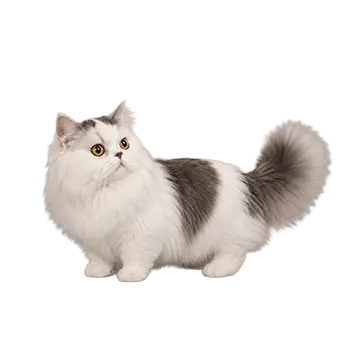
Napoleon cats possess a playful, curious nature that persists well into adulthood, making them one of the more consistently entertaining dwarf breeds. Their play style tends to favor ground-level stalking, pouncing, and batting rather than aerial acrobatics. Shorter legs give them a distinctive low-to-the-ground hunting posture that makes floor-based toys and ground-skimming wand movements especially engaging for them.

Despite their compact build, Napoleons are surprisingly quick in short bursts. They excel at darting after fast-moving objects and executing rapid changes of direction. This agility means they respond well to toys that mimic the erratic movement of small prey — quick stops, sudden changes in direction, and unpredictable pauses trigger their predatory instincts effectively. Sessions that allow them to stalk, chase, and ultimately capture the toy satisfy the full hunting sequence.

Play sessions for Napoleons work best in moderate durations of ten to fifteen minutes, repeated two to three times daily. Their energy comes in enthusiastic bursts followed by rest periods, which mirrors the natural hunting cycle of wild felines. Pushing play beyond the point of interest can lead to disengagement, so watch for signals like slowing pace, turning away, or lying down with eyes tracking but body disengaged. Ending a session on a high note — with a successful capture — leaves your Napoleon satisfied and eager for the next round.

Social play is another dimension of the Napoleon temperament. These cats enjoy interactive play with their owners and often initiate games by bringing toys, chirping for attention, or positioning themselves near favorite play areas. This social drive means that toys requiring human participation tend to be more engaging for Napoleons than purely autonomous options, though a mix of both ensures enrichment when you are away from home.

Interactive & Puzzle Toys

Interactive toys that require your Napoleon to think and problem-solve provide essential mental stimulation. Puzzle feeders that dispense treats or kibble when manipulated correctly are a staple of feline enrichment and work particularly well for Napoleons, who can be food-motivated and benefit from slower eating. Start with simple designs featuring large openings and progress to more complex puzzles as your cat develops proficiency.

Sliding tile puzzles and lift-and-reveal boards engage a cat's paws and nose simultaneously. Napoleons, with their dexterous front paws, often become adept at these tasks quickly. Rotating the puzzles or rearranging the treat compartments periodically prevents your cat from memorizing the solution and losing interest. Having three or four puzzle toys in rotation ensures that each one feels relatively fresh when reintroduced.

Ball-track toys with enclosed channels allow your Napoleon to bat a ball around a circuit, producing satisfying motion and sound without requiring constant human involvement. Multi-level track designs add complexity and keep attention longer than single-loop versions. These toys work well as supplementary enrichment during times when you cannot actively play, though they should not replace interactive sessions entirely.

Digital and app-controlled interactive toys have become increasingly popular. Motion-activated toys that dart across the floor or dangle from automated arms can provide entertainment during your absence. When selecting electronic toys, prioritize those with quiet motors and smooth movement patterns, as loud or jerky mechanisms can startle rather than engage. Battery life and durability are practical considerations — look for rechargeable options with replaceable components to extend the product's useful life.

Chew Toys & Durability

While cats are not heavy chewers in the way dogs are, many Napoleons enjoy gnawing on textured toys, especially during dental development or when stressed. Chew toys made from compressed catnip, silvervine sticks, or natural rubber give your cat a safe outlet for oral activity. Avoid toys with small detachable parts, sewn-on eyes, or thin plastic components that could be chewed off and ingested.

Durability varies significantly across cat toy categories. Plush toys with reinforced stitching and double-layered fabric last longer than thin-walled alternatives, though even durable plush toys should be inspected regularly for emerging holes or loose filling. Napoleons who are enthusiastic kickers — wrapping their hind legs around a toy and raking it — put particular stress on seams, so reinforced kick toys designed for this behavior are a worthwhile investment.

Natural material toys made from sisal, hemp, or compressed cardboard offer textural variety and are generally safe if small pieces are ingested. Corrugated cardboard scratching toys serve dual duty as both a scratching surface and a chew target, and many cats enjoy pulling strips from the edges. These are inexpensive enough to replace regularly, which is preferable to allowing a heavily degraded toy to remain in circulation.

Toy rotation is the simplest strategy for maintaining interest and extending toy life. Rather than leaving all toys out at once, offer three to four at a time and swap the selection every few days. Toys that have been out of sight for a week or two regain novelty when reintroduced, effectively giving you a continuously refreshed toy library without ongoing expense. Store inactive toys in a sealed bag with a pinch of dried catnip to refresh their appeal.

Fetch & Active Play Toys

Many Napoleon owners are surprised to discover that their cats readily engage in fetch. Lightweight toys like crinkle balls, small plush mice, and foam balls are easy for a Napoleon to carry in their mouth and simple for you to toss across a room. The key to teaching fetch is consistency — reward the return with praise or a small treat, and most Napoleons will connect the pattern within a few sessions.

Wand toys remain the gold standard for active interactive play. A flexible wand with a feathered, fur, or ribbon attachment mimics the flight pattern of birds or the scurrying of small prey. For Napoleons, keep the lure close to the ground most of the time, allowing occasional low hops to simulate a bird taking off. Avoid sustained high-altitude movements that force your Napoleon to leap repeatedly, as this places unnecessary stress on their shorter limbs and spine.

Laser pointers are popular but should be used thoughtfully. The perpetual inability to catch the light can cause frustration in some cats. If you use a laser pointer with your Napoleon, always end the session by directing the dot onto a physical toy or treat that your cat can capture, providing the satisfying conclusion to the hunt that the laser alone cannot deliver. Alternatively, LED light toys that project moving patterns on the floor can provide similar visual stimulation.

Tunnel systems and paper bags create opportunities for self-directed active play. Napoleons enjoy darting through tunnels, ambushing toys from concealed positions, and exploring crinkly enclosures. Collapsible fabric tunnels with multiple openings and peek-through holes are ideal. Position them in living areas during play time and collapse them for storage when not in use. Connecting multiple tunnels creates a more elaborate course that encourages extended exploration and exercise.

Comfort & Companion Toys

Napoleon cats form strong attachments to their owners and can experience separation anxiety when left alone for extended periods. Comfort toys that provide a sense of companionship can ease this stress. Plush toys roughly the size of the cat, sometimes called body pillows or cuddle toys, give Napoleons something to curl around, groom, and knead during rest periods. Cats who exhibit kneading behavior are often particularly attached to a specific comfort toy.

Heartbeat simulators designed for pets can soothe anxious Napoleons, especially kittens adjusting to a new home or adults experiencing a change in routine. These battery-operated devices emit a rhythmic pulse that mimics a resting heartbeat and are typically placed inside a plush toy or bed. While not every cat responds to them, those who do often show visibly reduced stress behaviors such as excessive vocalization or restless pacing.

Catnip and silvervine toys trigger a euphoric response in roughly 60 to 80 percent of cats and can serve as both enrichment and comfort. Napoleons who respond to catnip will roll, rub, and bunny-kick a catnip toy with obvious enjoyment before settling into a relaxed state. The effect typically lasts five to fifteen minutes, followed by a refractory period during which additional catnip exposure produces no response. Offering catnip toys once or twice a week maintains sensitivity and keeps the experience rewarding.

Soft toys with varied textures — fleece, faux fur, crinkle fabric — appeal to the tactile curiosity of most cats. Napoleons often develop preferences for specific textures, and observing which materials your cat gravitates toward helps you select future toys more effectively. A small collection of textured comfort toys distributed across your cat's favorite resting spots ensures that a familiar, soothing object is always within reach.

DIY & Budget Options

Not every enrichment tool needs to come from a store. Some of the most engaging toys for Napoleon cats can be made from household items at minimal cost. A crumpled ball of aluminum foil or parchment paper creates an enticing lightweight toy that skitters unpredictably across hard floors. Wine corks, with their light weight and irregular rolling pattern, are natural batting toys that most cats find irresistible. Always supervise play with improvised toys to ensure no pieces are chewed off and swallowed.

Cardboard boxes are universally beloved by cats, and Napoleons are no exception. A simple box with a few holes cut in the sides becomes an instant fort, hiding spot, and ambush station. Stack multiple boxes to create a multi-level structure, cutting holes between levels for internal climbing. Add a blanket draped over the top for a darkened interior, and you have a enrichment structure that rivals commercial alternatives for a fraction of the cost.

DIY puzzle feeders can be constructed from items you already have. An empty egg carton with treats placed in the compartments requires your cat to fish them out with their paw. A muffin tin with tennis balls or crumpled paper placed over treat-filled cups creates a similar challenge. Toilet paper tubes sealed at one end and filled with kibble become rolling treat dispensers that engage both body and mind.

Rotating homemade toys is just as important as rotating purchased ones. Paper bags from grocery shopping, tissue paper from gift wrapping, and small cardboard tubes all have limited lifespans as toys but provide genuine enrichment while they last. The key is maintaining a steady flow of novel, safe objects rather than investing heavily in any single item. Combined with a few well-chosen commercial toys, a DIY enrichment program keeps your Napoleon engaged without straining your budget.

Always consult a qualified professional before making any health-related decisions. This content is provided for informational reference only and should not replace professional guidance specific to your animal.