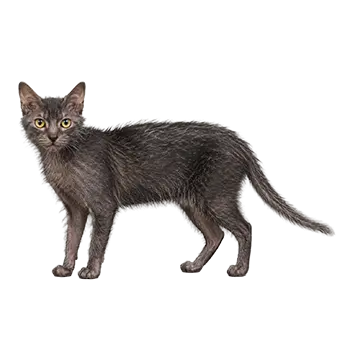

Space Requirements

Lykoi cats are active, curious, and athletic despite their small to medium size, and they need a living environment that accommodates their desire to climb, explore, and survey their territory from elevated positions. Vertical space is just as important as floor area for this breed. Cat trees, wall-mounted shelves, and tall furniture arrangements that allow the Lykoi to move through a room at multiple heights will keep them mentally stimulated and physically engaged.

A minimum of one room with enough space for climbing structures, a designated feeding station, and a litter area is essential, though Lykoi do best with access to multiple rooms where they can patrol and establish preferred resting spots. They are not a breed that does well confined to a single small space for extended periods. Their intelligence and prey drive mean that a cramped environment without enrichment opportunities can lead to destructive behavior or stress-related issues.

When planning the layout, consider traffic flow and quiet zones. Lykoi tend to bond closely with their owners and will want to be in the same room, but they also appreciate having a retreat space — a covered bed, a high shelf, or an enclosed cat house — where they can observe without being in the middle of household activity. Balancing social space with private space is key to a well-adjusted Lykoi.

For apartments or smaller homes, maximizing vertical territory through wall-mounted catwalks, window perches, and ceiling-height cat trees can compensate for limited floor space. The goal is to create a three-dimensional living environment that gives the Lykoi choices about where to be and what to do at any given time.

Cat Trees & Climbing Structures

A sturdy, well-designed cat tree is arguably the single most important piece of furniture for a Lykoi household. This breed loves to climb and will naturally gravitate toward the highest available point in a room. Look for cat trees with a solid base that won't tip when a cat launches itself from the floor to the top platform. Ceiling-height models with multiple tiers provide the most value, as they offer exercise, vantage points, and resting areas all in one structure.

The materials matter more for Lykoi than for many coated breeds. Because their skin is partially exposed, rough or abrasive surfaces like low-quality sisal or unfinished wood edges can cause irritation. Platforms and perches wrapped in soft fabric, fleece, or microfiber offer a more comfortable resting surface. Sisal rope on scratching posts is fine and even beneficial for claw maintenance, but the resting areas should prioritize softness.

Wall-mounted shelving systems designed for cats have become increasingly popular and work exceptionally well for Lykoi. These allow you to create custom climbing routes along walls, connecting shelves at different heights with bridges or steps. The advantage over freestanding cat trees is that wall-mounted systems are inherently stable, can be arranged to suit any room layout, and free up floor space. They also allow you to position resting spots near heat sources or sunny windows, which Lykoi naturally seek out.

Whatever structures you choose, placement near windows is highly recommended. Lykoi are keen observers with strong prey instincts, and watching birds, squirrels, and outdoor movement provides substantial mental stimulation. A window perch or a cat tree positioned beside a window can keep a Lykoi entertained for hours and reduce the boredom that sometimes leads to mischief in this clever breed.

Beds & Sleeping Areas

Sleep is where the Lykoi's partial hairlessness becomes a primary design consideration. Without a full coat for insulation, Lykoi cats seek out warm, enclosed sleeping spots that retain body heat. Hooded beds, cave-style enclosures, and self-warming pads are all excellent choices for this breed. The enclosed design traps warmth and creates the snug, den-like environment that most Lykoi prefer over open flat beds.

Fabric selection directly affects comfort for cats with exposed skin. Plush fleece, sherpa lining, and brushed cotton provide gentle contact without abrasion. Avoid beds made from rough canvas, burlap, or scratchy synthetic materials, as these can irritate the Lykoi's skin, particularly during molting phases when more skin is exposed than usual. Machine-washable covers are a practical necessity, since Lykoi tend to produce more skin oil than fully coated breeds, and bedding will need regular laundering.

Self-warming beds that use reflective thermal liners to bounce the cat's body heat back are a good passive heating option that doesn't require electricity. For colder climates or drafty homes, electrically heated pet pads with thermostat controls provide more consistent warmth. If using a heated pad, always choose a model with an auto-shutoff feature and a chew-resistant cord, and never place it where the cat cannot move away from the heat source if it becomes too warm.

Provide multiple sleeping options throughout the home rather than a single designated bed. Lykoi often rotate between sleeping spots based on time of day, sunlight availability, and proximity to their human companions. A heated bed in the bedroom, a window perch cushion in the living room, and a covered cat house in a quieter area gives the Lykoi the variety and choice they appreciate.

Outdoor Enclosures

Outdoor access can significantly enrich a Lykoi's quality of life, but it must be managed carefully due to their unique skin and coat vulnerabilities. Catios — enclosed outdoor patios or screened enclosures — provide the ideal solution, allowing the cat to experience fresh air, sunlight, and outdoor stimulation without the risks of free roaming. A well-designed catio protects the Lykoi from predators, traffic, parasites, and excessive sun exposure while satisfying their curiosity about the outdoors.

When building or purchasing a catio, ensure the enclosure includes shaded areas as well as sunlit zones. Lykoi skin, especially on areas with little to no fur coverage, is susceptible to sunburn just like human skin. UV-filtering mesh panels or a solid roof over part of the enclosure provides essential protection during peak sun hours. The enclosure should also be weatherproof enough to keep the cat dry during rain, as wet, exposed skin can chill quickly and lead to discomfort.

The interior of the catio should feature climbing elements, shelves at multiple heights, and comfortable resting platforms. Natural elements like cat-safe plants, logs, or branches add sensory variety. Ensure the flooring is smooth enough to be comfortable on partially bare paws — raw concrete or gravel can be rough, while composite decking, rubber matting, or artificial turf provides a more paw-friendly surface.

Security is paramount. The enclosure must be fully sealed with no gaps large enough for the cat to squeeze through or for wildlife to enter. Use galvanized wire mesh or powder-coated steel panels with openings no larger than one inch. All doors and access points should have secure latches that the cat cannot manipulate. If the catio connects to the house through a cat flap, consider a microchip-activated flap to prevent other animals from entering.

Climate Considerations

Temperature regulation is the most critical environmental factor for Lykoi housing. Their sparse, intermittent coat provides minimal insulation, making them highly sensitive to both cold and excessive heat. The ideal indoor temperature range for a Lykoi is between 68 and 78 degrees Fahrenheit. Below this range, the cat will actively seek heat sources and may become lethargic or reluctant to move from warm spots. Above it, they can overheat faster than fully coated cats because their exposed skin doesn't wick moisture efficiently.

In colder climates, supplemental heat sources become important environmental additions. Heated cat beds, microwavable warming disks, and radiator-mounted perches all help the Lykoi maintain comfortable body temperature without requiring you to heat the entire home to feline-preferred levels. Ensure that any heating element used has safety controls — no exposed coils, automatic temperature regulation, and chew-proof cords where applicable.

Humidity also plays a role in Lykoi comfort. Very dry air, common in homes with forced-air heating during winter, can exacerbate skin dryness and flaking. A room humidifier in the areas where the cat spends the most time helps maintain skin moisture and reduces static buildup in whatever fur they do have. Conversely, excessively humid environments can promote skin infections, so a balanced humidity level between 40 and 60 percent is ideal.

Drafts deserve specific attention. A Lykoi lying in a cold draft will lose body heat rapidly through exposed skin. Position beds, cat trees, and primary resting areas away from exterior doors, single-pane windows, and air conditioning vents. If the cat's favorite spot happens to be in a drafty area, adding a windbreak — a piece of furniture, a blanket barrier, or a hooded bed — can mitigate the chill without relocating the cat from a spot it has already claimed.

Multi-Cat Households

Lykoi generally coexist well with other cats, particularly when properly introduced and given adequate resources to avoid competition. The key principle for multi-cat housing is resource abundance — each cat should have access to its own food station, water source, litter box (plus one extra), and resting area. Territorial disputes most commonly arise when cats feel they must compete for essentials, and Lykoi, despite their generally social nature, are no exception.

Vertical territory becomes even more important in multi-cat homes. Cats establish hierarchies partly through height dominance, and providing enough elevated resting spots for every cat in the household reduces conflict over prime perches. Multiple cat trees, wall shelves at varying heights, and top-of-furniture access points all expand the usable territory in a room without requiring additional floor space. A Lykoi that can retreat to a high shelf when it wants solitude will be a calmer, more confident cat in a shared environment.

When introducing a Lykoi to an existing cat household, a gradual introduction process is strongly recommended. Start with scent swapping — exchanging bedding between the new cat and resident cats — followed by visual access through a barrier like a baby gate, and finally supervised face-to-face meetings. This process typically takes one to three weeks and significantly reduces the risk of aggressive encounters. Rushing introductions is the most common mistake in multi-cat households and can create long-lasting tension.

Consider the specific needs of the Lykoi when sharing space with fully coated breeds. The Lykoi's need for warm sleeping spots may put it in competition with other cats for heated beds or sunny patches. Providing enough warm resting areas for every cat prevents resource guarding. Similarly, the Lykoi's more active grooming of its exposed skin may leave oil residue on shared bedding, so having separate beds or frequently laundering shared sleeping surfaces helps maintain harmony and hygiene.

Always consult a qualified professional before making any health-related decisions. This content is provided for informational reference only and should not replace professional guidance specific to your animal.