
Collars, Harnesses & Leashes

Choosing a collar or harness for a Lykoi requires special attention to the breed's partially exposed skin. Standard nylon collars with rough edges or buckle hardware that contacts bare skin can cause friction burns, irritation, or hair loss in areas where the coat is already thin. Look for collars made from soft, rounded materials — padded nylon, rolled leather, or neoprene-lined designs — that sit gently against the neck without abrading exposed skin.

Breakaway collars are the safest choice for Lykoi that wear a collar at home, as they release under pressure if the cat gets snagged on furniture, branches, or other hazards. Every indoor-outdoor or catio-using Lykoi should wear a breakaway collar with an identification tag as a baseline safety measure, even if also microchipped. Choose a lightweight tag that lies flat against the collar rather than a heavy dangling disc that can irritate the chest.

Harnesses are essential for Lykoi owners who want to take their cat on supervised outdoor walks or catio excursions. A vest-style harness distributes pressure across the chest and shoulders rather than concentrating it on the neck, which is both more comfortable and more escape-proof than an H-style harness. For Lykoi, look for harnesses with soft inner lining — fleece or mesh — to prevent chafing on bare skin areas. The fit should be snug enough that the cat cannot back out of it but loose enough to allow full range of motion.

Leashes for cat walking should be lightweight and no longer than six feet to maintain control without dragging excess weight. Retractable leashes are generally not recommended for cats, as the sudden stop-and-go tension can startle a Lykoi and trigger a panic response. A fixed-length leash with a comfortable handle gives you consistent control and allows the cat to explore within a predictable radius.

Grooming Tools

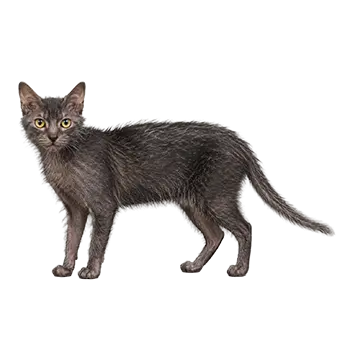
Grooming a Lykoi is a unique experience that differs significantly from grooming a fully coated cat. Their sparse, wiry roan coat does not mat in the traditional sense, but the exposed skin requires regular care to manage oil buildup, remove dead skin cells, and prevent clogged pores. A soft-bristled brush or a grooming glove is the ideal tool for the coated areas, providing gentle stimulation without scratching the skin beneath the thin fur.

Bathing is more important for Lykoi than for most cat breeds. The skin produces oils that a full coat would normally absorb and distribute, but with limited fur coverage, these oils accumulate on the skin surface and can lead to a greasy feel, darkened skin, and even acne-like breakouts. A gentle, hypoallergenic cat shampoo used every two to four weeks helps manage oil levels without stripping the skin's natural moisture barrier. Always use lukewarm water and dry the cat thoroughly afterward, as their exposed skin loses heat rapidly when wet.

Nail care follows standard feline grooming practices — trim every two to three weeks using sharp, guillotine-style or scissor-style cat nail clippers. Because Lykoi are active climbers and scratchers, their claws may wear down somewhat naturally on sisal posts, but regular trimming prevents overgrowth, snagging, and potential injury. Start nail trimming early in the cat's life to build comfort and cooperation with the process.

Ear cleaning deserves specific attention in Lykoi because their ears, which often have minimal interior fur, can accumulate wax and debris more visibly than in fully furred breeds. A veterinarian-recommended ear cleaning solution applied to a cotton ball — never a cotton swab inserted into the ear canal — should be used weekly or biweekly to keep the ears clean and healthy. Dark, foul-smelling discharge or excessive head shaking warrants a veterinary check for infection or mites.

Bowls & Feeders

The right feeding setup supports both nutrition and hygiene for a Lykoi household. Stainless steel or ceramic bowls are the preferred materials, as both are nonporous, easy to sanitize, and resistant to the bacterial buildup that plagues plastic bowls over time. Plastic bowls can also harbor microscopic scratches where bacteria thrive, and some cats develop chin acne from prolonged contact with plastic surfaces — a concern amplified in a breed already prone to skin sensitivity.

Bowl shape and depth affect eating comfort. Lykoi, like most cats, prefer shallow, wide bowls that allow them to eat without pressing their whiskers against the sides. Whisker fatigue — the discomfort caused by repeated stimulation of sensitive whisker nerves against bowl edges — can lead to food avoidance, messy eating, or pawing food out of the bowl. A saucer-style or gently sloped bowl eliminates this issue and encourages relaxed, thorough eating.

Water fountains are strongly recommended over still-water bowls for Lykoi. Cats are instinctively drawn to moving water, which they associate with freshness, and a fountain encourages higher water intake — particularly important for a breed whose exposed skin benefits from robust hydration. Stainless steel or ceramic fountain models are easier to clean than plastic ones and tend to develop less biofilm. Replace filters according to the manufacturer's schedule and clean the fountain components weekly to prevent slime buildup.

Elevated feeding stations that raise food and water bowls several inches off the floor can improve eating posture and reduce neck strain, especially for older Lykoi or those with joint stiffness. An elevated station also keeps bowls away from floor-level dust and debris. For multi-cat households, separate feeding stations in different locations help reduce resource competition and allow each cat to eat at its own pace without anxiety.

Travel Gear

A quality carrier is the most essential piece of travel gear for any Lykoi owner. Hard-sided carriers with top-loading access are generally the safest option for veterinary visits and car travel, as they provide structural protection and allow you to lift the cat in and out from above rather than pushing it through a front door. Soft-sided carriers work well for calmer cats and shorter trips and typically offer more ventilation and lighter weight, but they provide less crash protection in a vehicle.

The carrier interior should be lined with soft, warm bedding — a fleece blanket or a self-warming pad — to keep the Lykoi comfortable during transit. Because their exposed skin makes them more sensitive to temperature changes, a carrier sitting in an air-conditioned car or on a cold veterinary office floor can chill the cat quickly. A familiar-smelling blanket from home doubles as insulation and a comfort item that reduces stress during travel.

For car travel beyond short veterinary trips, secure the carrier with a seatbelt or place it on the floor behind the front seat where it cannot slide or tip during sudden stops. Never place a carrier in the trunk or in direct sunlight through a window. Temperature management in the vehicle is critical — Lykoi should not be left in a parked car under any circumstances, as their limited coat provides no buffer against temperature extremes.

Cat backpack carriers have become popular for adventurous owners who want to take their Lykoi on hikes or outdoor excursions. If using a backpack carrier, choose one with ample ventilation, a secure interior tether, and enough interior space for the cat to turn around and adjust position. Introduce the backpack gradually at home before using it outdoors, allowing the cat to enter voluntarily and associate it with treats and positive experiences.

Safety & Identification

Microchipping is the single most reliable form of permanent identification for a Lykoi and should be considered a non-negotiable safety measure. A microchip — a tiny transponder injected under the skin between the shoulder blades — provides a permanent, scannable identification link that cannot be lost, removed, or damaged. Ensure the chip is registered with your current contact information and update the registration promptly if you move or change phone numbers.

Identification tags on a breakaway collar provide a visible, immediate identification method that doesn't require a scanner. Include the cat's name, your phone number, and any critical medical information on the tag. Some owners also include a note that the cat is microchipped, which signals to a finder that additional identification data is available through a veterinary office or shelter scan. Engraved tags are more durable than printed ones and remain legible longer.

Window and door screens should be inspected regularly in any home with a Lykoi. These cats are agile, curious, and capable of pushing through damaged or loosely fitted screens to access the outdoors. Ensure all screens are securely fastened, free of tears, and made from pet-resistant mesh if the cat shows interest in pressing against them. Screen guards or reinforcement panels add an extra layer of security for windows that are frequently opened.

Poison prevention is an ongoing safety concern. Lykoi are inquisitive cats that may investigate and taste household substances out of curiosity. Common hazards include lilies and other toxic plants, cleaning products, essential oil diffusers, human medications left on counters, and small objects that can be swallowed. Conduct a room-by-room audit of potential hazards and secure or remove anything that poses an ingestion or toxicity risk. Keep the ASPCA Animal Poison Control number accessible for emergencies.

Seasonal Gear

Seasonal adjustments are more important for Lykoi than for fully coated breeds because their sparse coat provides minimal natural protection against temperature extremes and environmental changes. In winter, cat sweaters or lightweight shirts can provide an additional insulation layer for Lykoi that live in drafty homes or cooler climates. Choose garments made from soft, breathable fabrics like cotton or fleece that won't irritate exposed skin, and ensure the fit allows full freedom of movement without binding at the legs or neck.

Not all Lykoi tolerate clothing, and forcing a garment on a resistant cat creates more stress than the warmth is worth. Introduce clothing gradually — let the cat sniff and investigate the garment first, then drape it over the back without fastening it, and progress to full wearing over several sessions. If the cat consistently freezes, falls over, or shows signs of distress when clothed, heated beds and warm blankets are better alternatives than wearable insulation.

Summer brings its own concerns for Lykoi, primarily sun protection and overheating. Pet-safe sunscreen formulated for cats can be applied to the ears, nose, and other sparsely furred areas before catio time or supervised outdoor access. Never use human sunscreen on a cat, as common ingredients like zinc oxide are toxic if ingested through grooming. Limiting outdoor exposure during peak sun hours — roughly 10 a.m. to 4 p.m. — provides the most effective protection.

Seasonal shedding cycles in Lykoi are more dramatic than in most breeds. During heavy molt periods, when the cat may lose most or all of its fur, skin care becomes the primary grooming concern. Gentle wipe-downs with a damp, soft cloth help remove excess oil and dead skin without irritating newly exposed areas. Increasing bathing frequency slightly during these phases and adding a skin-supporting supplement to the diet can help the coat regrow more evenly and the skin remain healthy throughout the transition.

Always consult a qualified professional before making any health-related decisions. This content is provided for informational reference only and should not replace professional guidance specific to your animal.