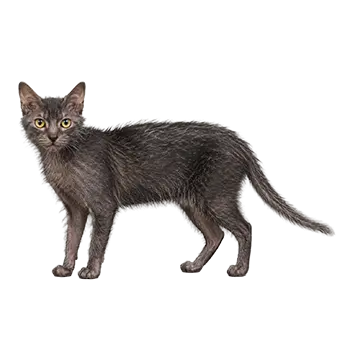

Nutritional Needs

The Lykoi is a breed with a distinctly high metabolism, partly driven by the energy their bodies expend regulating temperature through a coat that is thinner and more sparse than most cats. This unique partial hairlessness means they burn calories faster to maintain body heat, especially in cooler environments. A diet rich in high-quality animal protein is essential to support their lean, wiry musculature and keep their energy levels consistent throughout the day.

Because of their roan coat pattern and recurring molt cycles — Lykoi can shed nearly all of their fur and regrow it — nutritional support for skin and coat health is critical. Omega-3 and omega-6 fatty acids play a major role in maintaining healthy skin regeneration and reducing the risk of irritation during heavy shedding phases. Look for foods where the fat sources are clearly identified as animal-derived, such as chicken fat or salmon oil, rather than vague plant-based alternatives.

Lykoi cats also benefit from diets that include moderate levels of easily digestible carbohydrates and fiber to support gut health. Their digestive systems tend to do well on grain-free or limited-ingredient formulas, though individual tolerance varies. Taurine, an amino acid vital for all cats, should be present in adequate amounts, and the overall caloric density of the food should reflect the breed's elevated energy expenditure compared to a typical domestic shorthair.

Hydration is another important factor for Lykoi. Because their skin is more exposed than that of fully coated breeds, they can be prone to dryness and flaking. Ensuring adequate water intake — whether through wet food, broth toppers, or water fountains — helps support skin elasticity and overall kidney function. A combination of dry and wet feeding often works well for this breed.

What to Look For

When evaluating cat food for a Lykoi, the ingredient list is the most important section on the packaging. The first ingredient should always be a named animal protein — chicken, turkey, salmon, or similar — rather than a generic meat byproduct or plant-based protein concentrate. Lykoi thrive on protein-forward formulas where animal sources make up the majority of the macronutrient profile, ideally above 40 percent protein on a dry-matter basis.

Fat content is equally important and should come from identifiable sources. Chicken fat, fish oil, and egg-based fats all provide the essential fatty acids that support the Lykoi's unique coat cycle. Avoid products where fat sources are listed generically, as these can vary between production batches and may include lower-quality rendering byproducts. A fat content in the range of 15 to 20 percent on a dry-matter basis is generally appropriate for this active breed.

Watch for artificial preservatives, colors, and flavor enhancers, which offer no nutritional value and may contribute to skin sensitivity in a breed already prone to dermatological quirks. Similarly, excessive fillers like corn gluten meal or soy protein isolate can dilute the nutritional density of the food without contributing meaningfully to the cat's dietary needs. A shorter, more recognizable ingredient list is almost always preferable to a long one padded with additives.

Finally, check for certifications or compliance statements from recognized pet nutrition authorities. Foods that meet established nutritional adequacy standards for all life stages or adult maintenance provide a baseline of confidence that the formula delivers complete and balanced nutrition. This is especially important for Lykoi kittens, whose rapid growth and coat development demand a reliable nutritional foundation.

Recommended Dry Food

Dry kibble serves as a convenient foundation for many Lykoi feeding routines, offering shelf stability, dental benefits through mechanical abrasion, and precise portion control. For this breed, look for high-protein kibble formulas where named meat sources dominate the first several ingredients. The kibble size should be appropriate for a small to medium cat — overly large pieces may discourage slower eaters, while very small kibble can be swallowed without chewing, reducing the dental benefits.

Grain-free dry foods have become popular among Lykoi owners, though the decision to feed grain-free should be based on the individual cat's tolerance rather than trend. Some Lykoi do well on formulas that include whole grains like brown rice or oatmeal, which provide sustained energy and fiber. Others show improved coat condition and digestion on grain-free alternatives that use sweet potato or chickpea as carbohydrate sources. Observing stool quality, coat texture, and energy levels over a few weeks is the best way to gauge which formula suits a particular cat.

Caloric density matters more for Lykoi than for many other breeds. Because they burn through calories faster due to thermoregulation demands, a dry food with a caloric content on the higher end of the spectrum — around 400 to 450 calories per cup — can help maintain healthy body condition without requiring excessive portion sizes. Underweight Lykoi are more common than overweight ones, so choosing a nutrient-dense kibble can help prevent unintended weight loss.

Rotational feeding, where you cycle between two or three compatible dry food formulas, can also benefit Lykoi by broadening their nutritional exposure and reducing the risk of developing food sensitivities. When rotating, transition gradually over five to seven days to avoid digestive upset.

Wet & Fresh Options

Wet food is an excellent complement to dry kibble for Lykoi cats, primarily because of its high moisture content. With their partially exposed skin, Lykoi benefit from every additional source of hydration, and wet food typically contains 75 to 80 percent water. This supports kidney function, urinary tract health, and skin moisture levels far more effectively than dry food alone.

Pâté-style wet foods tend to offer the highest protein density per serving, as they contain fewer fillers and thickening agents than gravy-based or shredded varieties. However, many Lykoi show a preference for textured wet foods with identifiable meat pieces, which can also encourage more engaged eating behavior. The best approach is to try a few different textures and observe which format your cat consistently finishes without leaving residue.

Fresh and raw-inspired diets have gained traction among Lykoi enthusiasts who want to mimic a more biologically appropriate feeding model. These products, typically sold frozen or refrigerated, use minimally processed meats and organs and often include ground bone for calcium. While many Lykoi thrive on these diets, they require careful handling and storage to avoid bacterial contamination. They also tend to be significantly more expensive than conventional wet food, so budget considerations are practical.

Broth toppers and meal mixers offer a middle ground for owners who want to add moisture and flavor variety without fully committing to a wet or raw feeding program. Bone broth toppers, in particular, can provide collagen and gelatin that support skin health — a meaningful benefit for a breed that cycles through hair loss and regrowth regularly.

Treats & Supplements

Treats should be viewed as a functional component of the Lykoi's diet rather than empty calories. Freeze-dried single-protein treats — chicken hearts, salmon bites, or liver chunks — provide a high-value reward with minimal processing and no added sugars or starches. These are particularly useful for training and bonding, as Lykoi are intelligent, food-motivated cats that respond well to positive reinforcement.

Skin and coat supplements are among the most commonly recommended additions for Lykoi. Fish oil capsules or pump bottles designed for cats provide concentrated omega-3 fatty acids that support the skin's barrier function during molting cycles. Some owners also use biotin supplements, which may help improve coat regrowth quality and speed. Always choose supplements formulated specifically for cats, as dosing and ingredient safety differ from human or canine products.

Probiotic supplements can benefit Lykoi cats with sensitive digestion or those transitioning between food formulas. A daily probiotic powder sprinkled over food helps maintain a healthy gut microbiome, which in turn supports nutrient absorption and immune function. This is especially relevant for Lykoi kittens during weaning and dietary transitions.

Avoid treats that rely heavily on grain-based fillers, artificial flavors, or excessive sodium. These provide minimal nutritional return and can contribute to weight fluctuation or skin irritation in sensitive individuals. As a general guideline, treats should constitute no more than 10 percent of the cat's total daily caloric intake to maintain balanced nutrition from the primary diet.

Foods to Avoid

Several common human foods pose serious health risks to Lykoi cats and should be kept entirely out of reach. Onions, garlic, chives, and leeks — all members of the allium family — can cause oxidative damage to red blood cells, leading to anemia even in small quantities. This risk applies to raw, cooked, powdered, and dehydrated forms, so vigilance around kitchen scraps and table food is important.

Chocolate and caffeine contain theobromine and methylxanthines that are toxic to cats, with dark chocolate and espresso-based products posing the greatest danger. Grapes and raisins, while their exact mechanism of toxicity in cats is still under investigation, have been linked to kidney damage and should be avoided entirely. Xylitol, an artificial sweetener found in sugar-free gum, candies, and some peanut butters, can cause rapid insulin release and liver failure in pets.

Raw eggs and raw fish, despite appearing in some raw feeding discussions, carry risks of salmonella and E. coli contamination, as well as an enzyme called avidin in raw egg whites that can interfere with biotin absorption. For a breed that already depends on biotin for coat health, this is a particularly relevant concern. If feeding raw, sourcing from reputable suppliers with rigorous safety testing is essential.

Dairy products are another common pitfall. Most adult cats, including Lykoi, are lactose intolerant and will develop digestive distress from milk, cream, or cheese. While small amounts of plain yogurt or aged cheese may be tolerated by some individuals, dairy should not be a regular part of the diet. When in doubt about any food item, consult with a veterinarian before offering it to your cat.

Feeding Schedule

Lykoi cats generally do best on a structured feeding schedule rather than free feeding. Their higher metabolic rate means they benefit from consistent caloric delivery throughout the day, and scheduled meals make it easier to monitor intake and detect appetite changes early — an important health indicator for any breed. Two to three meals per day is a typical starting point for adult Lykoi.

Kittens under six months old require more frequent feeding, usually three to four meals per day, to support their rapid growth and high energy demands. As they approach adulthood, meals can be gradually consolidated. Portion sizes should be calibrated to the individual cat's weight, activity level, and body condition score rather than relying solely on package guidelines, which are often generalized for the average domestic cat.

For Lykoi that eat a combination of dry and wet food, a common approach is to offer wet food at morning and evening meals and leave a measured portion of dry kibble available for midday grazing. This hybrid schedule provides the hydration benefits of wet food at anchor meals while giving the cat something to nibble on during the day. If using this approach, be sure to account for the kibble calories in the daily total to avoid overfeeding.

Monitor your Lykoi's body condition regularly by feeling for rib coverage and observing their waistline from above. Because Lykoi have a naturally lean and angular build, it can be easy to misjudge their weight status. A healthy Lykoi should have ribs that are easily felt but not prominently visible, with a slight abdominal tuck when viewed from the side. Adjust portions up or down as needed based on seasonal activity changes, coat cycling, and any veterinary guidance.

Always consult a qualified professional before making any health-related decisions. This content is provided for informational reference only and should not replace professional guidance specific to your animal.