
Nutritional Needs

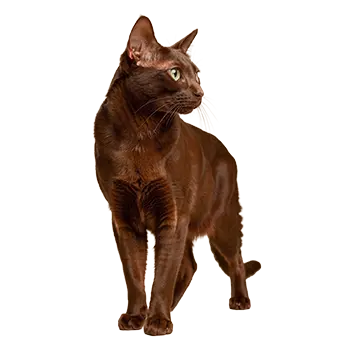
The Havana Brown is a medium-sized cat with a muscular, moderately athletic build that demands a diet rich in high-quality animal protein. Because this breed tends to be active and playful well into adulthood, maintaining lean muscle mass through proper nutrition is essential. A diet built around named animal protein sources — such as chicken, turkey, salmon, or duck — as the first ingredient provides the amino acid profile cats require as obligate carnivores.

Fat content is another important consideration. Havana Browns carry a sleek, close-lying coat that benefits from adequate omega-3 and omega-6 fatty acids, which support skin health and give the coat its characteristic glossy sheen. Look for foods that include fish oil, flaxseed, or chicken fat as identified fat sources rather than generic animal fats.

Carbohydrate content should be kept moderate to low. Cats lack the digestive enzymes to process large amounts of starch efficiently, and excess carbohydrates can contribute to weight gain over time. While some carbohydrate content is acceptable and provides fiber for digestive health, the best foods for Havana Browns prioritize protein and fat over grain-heavy fillers.

Hydration is a frequently overlooked nutritional factor. Like most cats, Havana Browns have a naturally low thirst drive inherited from their desert-dwelling ancestors. Incorporating moisture-rich foods into the diet — whether through wet food, fresh food, or adding water to kibble — helps support kidney function and urinary tract health throughout the cat's life.

What to Look For

When evaluating cat food for a Havana Brown, start with the ingredient list. The first ingredient should always be a named animal protein — not a meat by-product or plant-based protein substitute. Ingredients are listed by weight, so the order matters. A food that lists chicken meal followed by peas and potatoes is fundamentally different from one that leads with corn gluten meal.

Guaranteed analysis panels provide minimum crude protein and fat percentages along with maximum fiber and moisture. For an adult Havana Brown in good health, look for a minimum protein content of 30 percent on a dry-matter basis and fat content between 12 and 20 percent. These ranges support the breed's active metabolism without encouraging excess weight gain.

Avoid foods with long lists of artificial preservatives, colors, or flavor enhancers. Chemical preservatives like BHA, BHT, and ethoxyquin have raised concerns among pet nutrition researchers, and natural alternatives such as mixed tocopherols and rosemary extract perform the same preservation function without the controversy. Artificial colors serve no nutritional purpose and exist solely for human appeal.

Lifestage-appropriate formulation matters as well. Kitten formulas deliver higher calorie density and different calcium-to-phosphorus ratios than adult maintenance diets, while senior formulas may include joint-support ingredients and adjusted calorie counts. Feeding the right formula for your Havana Brown's current life stage ensures they receive appropriate nutrition without supplementation guesswork.

Recommended Dry Food

Dry kibble remains a practical staple for many Havana Brown owners due to its convenience, shelf stability, and dental benefits. The mechanical action of chewing kibble can help reduce tartar buildup, though it should not be relied upon as the sole dental care strategy. When selecting a dry food, prioritize formulas where animal protein dominates the first several ingredients and carbohydrate sources are limited to digestible options like sweet potato, peas, or oats.

Kibble size and shape can influence how well your Havana Brown accepts a particular food. This breed has a distinctive muzzle shape — slightly longer than many other shorthairs — and generally does well with standard-sized kibble pieces. If your cat tends to gulp food without chewing, consider a formula with larger or unusually shaped pieces that encourage slower eating.

Grain-free dry foods have surged in popularity, but the decision between grain-free and grain-inclusive should be based on your individual cat's tolerances rather than marketing trends. Some cats genuinely do better without grains, while others thrive on diets that include rice or barley. If your Havana Brown shows no signs of grain sensitivity — such as digestive upset, skin irritation, or coat dullness — there is no nutritional imperative to avoid grains entirely.

Storage matters more than most owners realize. Dry food begins to oxidize once the bag is opened, degrading fats and reducing vitamin potency. Transfer kibble to an airtight container and store it in a cool, dry location away from direct sunlight. Buy bag sizes your cat can finish within four to six weeks of opening to ensure freshness throughout.

Wet & Fresh Options

Wet food is an excellent dietary component for Havana Browns because it addresses one of the most persistent challenges in feline nutrition: hydration. Canned and pouch-style foods typically contain 75 to 80 percent moisture, closely mimicking the water content of natural prey. For a breed that may not drink enough water on its own, incorporating wet food into the rotation can meaningfully reduce the risk of urinary and kidney issues over time.

Pâté, shredded, and chunk-in-gravy textures each have their place. Pâté-style foods tend to have higher protein density per serving because they contain less added gravy or broth. Shredded and chunk styles often appeal to pickier eaters due to their varied texture. Many Havana Brown owners find that rotating among texture types keeps mealtime interesting and prevents the food fixation that can develop when cats eat the same product exclusively.

Fresh and refrigerated cat food options have expanded significantly and offer minimally processed nutrition with whole-food ingredients. These products typically avoid the high-heat processing that conventional canned foods undergo, potentially preserving more heat-sensitive nutrients. The trade-off is shorter shelf life and higher cost per serving, so many owners use fresh food as a topper or rotational element rather than the sole diet.

When transitioning between wet food products or introducing wet food to a kibble-only cat, proceed gradually over seven to ten days. Mix a small amount of the new food with the current diet, increasing the proportion slowly. Havana Browns are generally adaptable eaters, but abrupt dietary changes can cause temporary digestive upset in any cat regardless of breed.

Treats & Supplements

Treats serve a valuable role in bonding, training reinforcement, and environmental enrichment for Havana Browns. This breed is notably people-oriented and responds well to food-motivated interaction. However, treats should constitute no more than ten percent of total daily caloric intake to avoid nutritional imbalance and weight creep. Choose treats with short, recognizable ingredient lists — freeze-dried single-protein treats are among the cleanest options available.

Dental treats designed to reduce plaque and tartar can complement a regular oral care routine. Look for products that carry veterinary dental organization seals of acceptance, as these have been independently tested for efficacy. While no treat replaces brushing or professional dental cleanings, the right dental chews can slow the accumulation of oral bacteria between cleanings.

Supplements should generally be unnecessary if your Havana Brown eats a complete and balanced diet from a reputable manufacturer. However, certain life stages or health conditions may warrant targeted supplementation. Omega-3 fatty acid supplements from fish oil can benefit cats with dull coats or inflammatory conditions, while probiotic supplements may help cats with chronic digestive sensitivity. Always consult a veterinarian before adding supplements to ensure they do not interfere with existing nutrition or medication.

Avoid treat products that rely heavily on carbohydrate fillers, artificial flavors, or excessive salt. Some popular commercial treats contain more corn and wheat than actual meat, which provides minimal nutritional benefit and can contribute to food sensitivities over time. Reading treat labels with the same scrutiny applied to main diet selections helps ensure every calorie your Havana Brown consumes serves a purpose.

Foods to Avoid

Several common human foods are toxic to cats and must be kept away from your Havana Brown. Onions, garlic, chives, and other allium family members can cause oxidative damage to red blood cells, leading to anemia even in small amounts. Chocolate contains theobromine, which cats metabolize far more slowly than humans, making even modest quantities dangerous. Grapes and raisins have been linked to acute kidney failure in some animals, and the toxic mechanism remains poorly understood.

Raw fish, particularly certain freshwater species, contains thiaminase — an enzyme that destroys thiamine (vitamin B1). Chronic thiamine deficiency leads to serious neurological problems in cats. While occasional small amounts of cooked fish are generally safe, raw fish should not be a regular dietary component. Raw eggs carry similar concerns due to avidin, a protein that interferes with biotin absorption, in addition to the bacterial contamination risk from salmonella.

Dairy products are poorly tolerated by most adult cats, including Havana Browns. Kittens produce lactase to digest their mother's milk, but enzyme production typically drops off after weaning. Offering milk, cheese, or cream to an adult cat frequently results in digestive distress including diarrhea and bloating. If your cat enjoys dairy-flavored treats, look for lactose-free formulations designed specifically for cats.

Xylitol, an artificial sweetener found in sugar-free gum, candy, and some peanut butters, is extremely toxic to cats and dogs. Even trace amounts can cause a rapid drop in blood sugar and potential liver failure. Caffeine and alcohol are similarly dangerous. Keep all such products securely stored, and educate household members about the risks of sharing human food with pets.

Feeding Schedule

Havana Brown kittens under six months of age should be fed three to four small meals per day to support their rapid growth and high energy demands. Their stomachs are small relative to their caloric needs, so frequent meals prevent the blood sugar dips that can occur with less frequent feeding. Use a kitten-formulated food during this stage to ensure adequate protein, fat, and mineral content for healthy development.

Adult Havana Browns typically do well on two measured meals per day — one in the morning and one in the evening. Measured feeding is generally preferable to free-feeding for this breed because it allows you to monitor appetite changes, which are often the earliest indicator of health issues. It also prevents the gradual overconsumption that leads to weight gain, which can stress joints and increase the risk of diabetes.

If your household schedule makes strict mealtimes difficult, a combination approach works well: offer a measured portion of wet food at a set time and leave a controlled amount of dry kibble available for grazing. This method provides the hydration benefits of wet food while accommodating the cat's natural preference for multiple small meals throughout the day. Puzzle feeders can dispense the dry portion slowly, adding mental stimulation to the feeding routine.

Senior Havana Browns — generally those over ten years of age — may benefit from a return to three smaller meals per day as digestive efficiency declines with age. Monitor body condition closely during the senior years. Unexplained weight loss or gain warrants veterinary evaluation, as changes in metabolism, thyroid function, or kidney health are common in aging cats and may require dietary adjustments.

Always consult a qualified professional before making any health-related decisions. This content is provided for informational reference only and should not replace professional guidance specific to your animal.