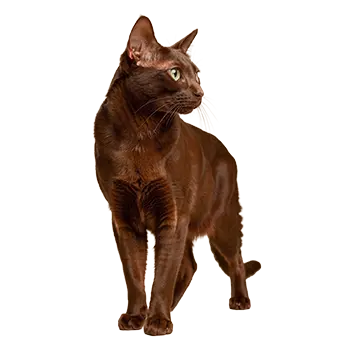

Collars, Harnesses & Leashes

Every Havana Brown should wear a breakaway collar with identification, even if the cat lives exclusively indoors. Breakaway collars are designed with a safety clasp that releases under pressure, preventing strangulation if the collar catches on furniture, branches, or fencing. Standard buckle collars intended for dogs do not have this feature and should never be used on cats. Choose a lightweight collar that sits comfortably without rubbing — the Havana Brown's short coat means there is no fur buffer between the collar and skin.

Harness training is well-suited to the Havana Brown's curious, people-oriented personality. Many individuals in this breed take to harness walking more readily than cats that are more independent or anxious. Vest-style harnesses that distribute pressure across the chest and shoulders are safer and more escape-resistant than figure-eight or H-style designs. The harness should be snug enough that the cat cannot back out of it but loose enough to slide two fingers beneath any strap.

Leash selection for harness-trained cats differs from dog leash shopping. A lightweight, non-retractable leash in the four-to-six-foot range provides enough freedom for exploration while maintaining control. Retractable leashes are generally discouraged for cats because the sudden tension changes can startle them, and the thin cord can tangle around legs or objects. Bungee-style leashes with slight elasticity absorb sudden lunges without jerking the cat.

Introduce collar and harness wearing gradually, beginning indoors with short sessions and positive reinforcement. Let the cat wear the harness around the house for increasing durations before attaching a leash, and practice leash walking indoors before venturing outside. Havana Browns are smart enough to associate the harness with outdoor adventure, and most come to anticipate harness time enthusiastically once the routine is established.

Grooming Tools

The Havana Brown's short, smooth, single-layer coat is one of the lowest-maintenance coats in the cat world, but that does not mean grooming should be neglected entirely. A weekly session with a soft rubber grooming mitt or fine-toothed comb removes loose hair, distributes skin oils, and gives you an opportunity to check for skin abnormalities, parasites, or lumps. This breed sheds minimally, so grooming is as much about bonding and health monitoring as it is about coat management.

Nail clippers or grinders are essential accessories for any indoor cat. Havana Browns' claws grow continuously and can become overgrown without regular trimming, leading to snagging on fabrics, discomfort while walking, and potential ingrown nails. Guillotine-style and scissor-style clippers both work well — the choice comes down to personal comfort. Trim only the transparent tip of the nail, avoiding the pink quick that contains blood vessels and nerves. If you are uncomfortable with nail trimming, a veterinarian or groomer can demonstrate proper technique.

Dental care accessories deserve a place in every Havana Brown's grooming kit. Cat-specific toothbrushes — either finger-sleeve style or small-headed traditional brushes — paired with enzymatic cat toothpaste help control plaque and tartar buildup. Never use human toothpaste, as the fluoride and foaming agents are toxic to cats. Start dental care early in the cat's life to build acceptance, and aim for several brushing sessions per week.

Ear cleaning supplies should be on hand for periodic maintenance. Havana Browns have moderately sized ears that can accumulate wax and debris. A veterinarian-recommended ear cleaning solution applied to a cotton ball allows gentle wiping of the outer ear canal. Never insert cotton swabs into the ear canal, as this can damage the eardrum or push debris deeper. Healthy ears should be clean, odor-free, and pale pink inside.

Bowls & Feeders

Bowl material matters more than many owners realize. Stainless steel and ceramic bowls are the preferred options for Havana Browns because they are nonporous, easy to sanitize, and do not harbor bacteria the way scratched plastic bowls do. Plastic bowls can also cause feline chin acne in susceptible cats — a condition where bacteria trapped in surface scratches transfers to the cat's chin during eating and triggers blackhead-like lesions. If your Havana Brown develops chin bumps, switching bowl materials is often the first recommendation.

Bowl shape and depth influence eating comfort. Cats generally prefer shallow, wide dishes that do not compress their whiskers against the sides — a phenomenon sometimes called whisker fatigue. While the clinical significance of whisker fatigue is debated, many cats demonstrably prefer wider bowls and eat more comfortably from them. A saucer-style dish or a bowl with a diameter of at least five inches works well for most Havana Browns.

Water bowls and fountains deserve equal attention. Cats evolved as desert-adapted predators with a low thirst drive, and many domestic cats do not drink enough water from a still bowl. Cat water fountains that circulate and filter water encourage increased drinking through movement and freshness. Stainless steel or ceramic fountains are preferable to plastic for the same hygiene reasons that apply to food bowls. Place water stations away from food bowls and litter boxes, as cats instinctively prefer to drink away from feeding and elimination areas.

Elevated feeding stations — bowls raised several inches off the floor on stands or platforms — can improve eating posture and reduce neck strain, particularly for older cats or those with arthritis. The ideal height positions the bowl at approximately the cat's lower chest level so the cat does not need to crane its neck downward to eat. Adjustable-height feeders accommodate growth and changing needs over the cat's lifetime.

Carriers & Travel Gear

A sturdy, well-designed carrier is a non-negotiable accessory for every Havana Brown owner. At minimum, carriers are needed for veterinary visits, but they also serve as emergency evacuation equipment, travel housing, and temporary safe spaces during household disruptions. Hard-sided carriers with top-loading doors are generally preferred by veterinary professionals because they allow the cat to be lifted out from above rather than pulled out through a front opening, reducing stress during examinations.

Carrier size should allow the cat to stand, turn around, and lie down comfortably without excessive extra space. A carrier that is too large allows the cat to slide during transport, increasing anxiety and motion sickness risk. For an average adult Havana Brown weighing six to ten pounds, a medium carrier in the 19-to-22-inch length range typically provides the right fit. Always verify airline-specific size requirements if you plan to fly with your cat.

Carrier acclimation is critical and should begin well before the carrier is needed for an actual trip. Leave the carrier out in a living area with the door open, a comfortable pad inside, and occasional treats placed within. Havana Browns are naturally curious and will explore the carrier on their own terms. Over time, the carrier becomes a familiar resting spot rather than a feared confinement device. Cats that associate carriers exclusively with stressful events will fight carrier entry, making every trip more difficult for both cat and owner.

For longer travel or road trips, supplementary accessories improve comfort and safety. A carrier-compatible water dish that attaches to the door prevents spills during motion. Absorbent pads placed beneath the bedding manage accidents. A lightweight carrier cover or towel draped over the carrier reduces visual stimulation and creates a den-like darkness that calms many cats. Pheromone sprays formulated for feline calming can be applied to carrier bedding 15 to 30 minutes before travel.

Safety & Identification

Microchipping is the most reliable form of permanent identification for any cat, including the Havana Brown. Unlike collars and tags, which can be lost or removed, a microchip implanted beneath the skin provides a permanent identification link to your contact information in a national database. The procedure is quick, minimally invasive, and can be performed during a routine veterinary visit. Keep your registration information current — a microchip is only useful if the database entry contains your current phone number and address.

ID tags attached to the breakaway collar provide a faster identification method than microchipping for anyone who finds a lost cat. A legible tag with the cat's name and your phone number allows immediate contact without requiring a veterinary office or shelter to scan for a chip. Engraved stainless steel or brass tags outlast printed or ink-filled alternatives and remain readable after years of wear. Some owners include a secondary tag noting that the cat is microchipped, which prompts finders to seek a chip scan.

Window and door safety measures prevent one of the most common escape scenarios for indoor cats. Window screens should be secure and in good repair — Havana Browns are strong enough to push through a damaged or loosely fitted screen. Screen guards or reinforced pet-proof screening provide additional security. Door habits matter too — this breed is fast and curious enough to bolt through an opening door, so establishing a household routine of checking for the cat before opening exterior doors reduces escape risk significantly.

Poison-proofing the home is an ongoing safety project rather than a one-time task. Common household toxins include certain houseplants (lilies are particularly dangerous and can cause fatal kidney failure in cats), essential oils diffused into the air, cleaning products, and medications left on countertops. The Havana Brown's investigative nature and willingness to handle objects with its paws means that toxic items left within reach are more likely to be contacted than they would be with a less curious breed.

Seasonal Gear

Winter accessories for Havana Browns focus primarily on warmth supplementation rather than outdoor clothing. Because this breed is overwhelmingly kept indoors, heavy coats and boots are unnecessary. Instead, invest in self-warming or heated sleeping pads for cooler months, draft-blocking door sweeps for exterior doors near the cat's living areas, and cozy fleece blankets for favorite resting spots. Cats that have access to catios or enclosed outdoor spaces during winter benefit from an insulated shelter or heated outdoor house within the enclosure.

Summer considerations center on hydration, cooling, and parasite prevention. Even indoor cats can be affected by fleas brought in on shoes, clothing, or other pets, so maintaining a year-round or seasonal parasite prevention program in consultation with your veterinarian is prudent. Cooling mats made from pressure-activated gel provide a comfortable temperature-regulating surface during heat waves. Ensure that air conditioning or fan circulation reaches the areas where your cat spends the most time.

Seasonal shedding, though minimal in Havana Browns compared to double-coated breeds, may increase slightly during spring and fall transitional periods. A lint roller kept near the most-used furniture handles the modest increase in loose hair. Slightly more frequent grooming sessions during these periods — perhaps twice weekly instead of once — help manage the shed before it reaches upholstery and clothing.

Holiday and seasonal decorations introduce temporary hazards that deserve attention. Tinsel, ribbon, and ornament hooks are ingestion risks that can cause serious intestinal damage. Seasonal plants including poinsettias, holly, and mistletoe range from mildly irritating to moderately toxic. Candles and string lights create burn and electrical risks for a curious, paw-oriented breed like the Havana Brown. Thoughtful decoration placement — securing items out of reach and skipping the most dangerous materials entirely — lets you enjoy seasonal decor without compromising cat safety.

Always consult a qualified professional before making any health-related decisions. This content is provided for informational reference only and should not replace professional guidance specific to your animal.