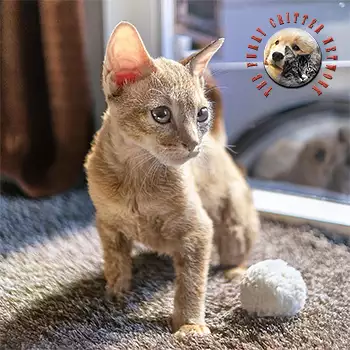

Housing Considerations for the Breed

The German Rex's most defining physical trait — its short, curly coat lacking guard hairs — directly shapes its housing requirements. Without the insulating outer layer of fur that most cats possess, the German Rex is more sensitive to temperature fluctuations than typical domestic breeds. This means the indoor environment must maintain a comfortable and relatively stable temperature, ideally between 68 and 75 degrees Fahrenheit. Drafty rooms, uninsulated windows, and cold tile floors can cause discomfort and even contribute to stress-related health issues over time.

Beyond thermal comfort, the German Rex is a sociable and people-oriented breed that does not tolerate isolation well. Housing arrangements should position the cat's primary resting and activity areas in parts of the home where family life takes place. A German Rex banished to a back bedroom or utility room will become anxious and may develop behavioral problems such as excessive vocalization or destructive scratching. These cats want to be where their people are, and their housing setup should reflect that.

Vertical space is important for almost all cats, and the German Rex is no exception. This breed enjoys climbing and observing its surroundings from elevated perches. However, because the German Rex is a moderate climber rather than an extreme acrobat, the vertical elements in its environment do not need to be excessively tall or complex. A well-placed cat tree with multiple platforms and a sturdy window perch will satisfy most individuals.

Safety is a fundamental housing concern. German Rex cats are curious and intelligent, which means they will investigate cabinets, drawers, and small spaces that may not be cat-safe. Securing toxic household products, blocking access to spaces behind appliances, and ensuring windows and balcony doors are properly screened are baseline precautions. Their thin coat also offers less physical protection against abrasions, so sharp edges on furniture or hardware should be identified and addressed.

Cat Trees & Climbing Structures

A quality cat tree is one of the most valuable investments for a German Rex household. When selecting a cat tree, stability should be the primary criterion. A tree that wobbles or tips when the cat launches onto it will be abandoned quickly — cats instinctively avoid structures they perceive as unsafe. Look for models with a heavy base, solid wood posts, and a center of gravity that keeps the structure grounded even during enthusiastic climbing.

Platform design matters for the German Rex specifically because of its coat. Flat, carpeted platforms collect less fur and are easier to clean than deep plush beds integrated into the tree. However, adding a removable fleece liner or a small heated pad to the top platform can create a warm resting spot that this breed will gravitate toward, especially in cooler weather. The ability to remove and wash the liner regularly is important for hygiene.

Height is beneficial but does not need to be extreme. A cat tree in the range of four to six feet offers sufficient vertical territory for a German Rex without requiring ceiling-height construction. Models that include a combination of open platforms, enclosed cubbies, and at least one sisal-wrapped scratching post offer the most versatility. Enclosed cubbies provide a sense of security and warmth that the German Rex often seeks, while open platforms satisfy the desire to survey the room from above.

Placement of the cat tree is as important as the tree itself. Position it near a window where the cat can watch outdoor activity — birds, squirrels, and passing pedestrians provide passive entertainment that keeps an indoor cat mentally engaged. Avoid placing the tree in an isolated corner or a room that the family rarely uses. A cat tree that sits in the living room or a home office will see far more use than one tucked away in a spare bedroom.

Beds & Resting Areas

The German Rex is a breed that takes its rest seriously, and the right bed can make a significant difference in comfort and well-being. Because these cats lack the dense undercoat that provides insulation in most breeds, they tend to seek out the warmest available resting spot. Beds with raised sides or a hooded design create a microclimate that retains body heat, making them particularly appealing to the German Rex. Bolster beds and enclosed igloo-style beds are both popular choices.

Heated cat beds are worth considering, especially for German Rex cats living in climates with cold winters or in homes with hard flooring. Electrically heated beds designed for pets use low-wattage elements and are thermostatically controlled to maintain a safe, comfortable temperature. Self-warming beds that use reflective thermal liners to redirect the cat's own body heat are a lower-cost alternative and eliminate any concern about electrical cords, though they are less effective in genuinely cold environments.

Fabric choice affects both comfort and maintenance. Plush fleece and sherpa materials are warm and soft but tend to trap the fine, curly hairs that the German Rex does shed in small amounts. Microfiber and tightly woven fabrics are easier to clean and resist embedding fur. Whichever material you choose, select a bed with a removable, machine-washable cover. The German Rex's short coat means more skin contact with the bed surface, so regular washing prevents the buildup of oils and dander that can cause odor or skin irritation.

Multiple resting spots throughout the home are ideal. A German Rex that has a bed in the living room, a perch in the home office, and a warm spot in the bedroom will rotate between them based on where family members are and where the sun falls at different times of day. Placing a bed or pad near a heating vent or in a sunny window alcove takes advantage of natural warmth sources that this breed actively seeks out.

Outdoor Enclosures & Catios

Outdoor access can significantly enrich a German Rex's quality of life, but unsupervised free-roaming is inadvisable for this breed. Their thin coat offers minimal protection against temperature extremes, brambles, and rough terrain, and their friendly disposition makes them poor judges of danger from predators or unfamiliar animals. A catio — an enclosed outdoor structure that allows fresh air and sunshine without the risks of free roaming — is the safest compromise.

Catio designs range from simple window-box enclosures that attach to an existing window frame to full walk-in structures that occupy a section of yard or patio. For the German Rex, a catio should include shaded areas and sheltered sections to protect against direct sun, wind, and rain. Even in mild weather, a German Rex can overheat or become chilled more quickly than a fully coated breed, so access back into the climate-controlled house should always be available.

The materials used in catio construction should prioritize safety and durability. Galvanized or powder-coated steel mesh is preferable to lightweight screening material, which a determined cat can tear or push through. The mesh openings should be small enough to prevent the cat from reaching a paw through and to keep insects and small wildlife out. All joints and edges must be smooth and free of exposed wire ends that could scratch the German Rex's relatively unprotected skin.

Furnishing the catio with shelves, ramps, and perches at various heights transforms it from a simple enclosure into an engaging outdoor living space. Natural elements like cat-safe plants — catmint, valerian, and wheatgrass — add sensory interest. A small insulated shelter or a covered bed within the catio gives the cat a retreat during unexpected weather changes. If the catio is accessible through a cat door, ensure the door seals properly to prevent drafts from entering the house.

Litter Box Setup

Litter box selection and placement are foundational aspects of indoor housing that directly affect the German Rex's comfort and willingness to use the box consistently. The general rule of one box per cat plus one additional box applies to German Rex households as well. Even in a single-cat home, having two boxes in different locations provides options and reduces the chance of avoidance behavior caused by a dirty or inaccessible box.

Covered versus uncovered litter boxes is a common debate among cat owners. German Rex cats generally adapt to either style, but covered boxes offer an advantage for this breed by providing a warmer, more enclosed space during use. The trade-off is that covered boxes can trap odors and ammonia fumes, which are unpleasant for the cat and may lead to avoidance if the box is not cleaned frequently enough. If you use a covered box, commit to scooping at least twice daily and performing a full litter change on a regular schedule.

Litter substrate choice can matter more for the German Rex than for some other breeds. Because these cats have more exposed skin on their paw pads and underbelly due to their thin coat, they may be more sensitive to rough or dusty litter substrates. Fine-grained clumping litter tends to be well-tolerated, while crystal-based litters with sharp edges can cause discomfort. Low-dust formulations are preferable for respiratory health, particularly in enclosed box setups where dust has nowhere to disperse.

Placement of litter boxes should follow a few key principles. Avoid placing boxes near the cat's food and water stations, as cats instinctively prefer separation between their elimination and feeding areas. Boxes should be in quiet, low-traffic locations that the cat can access easily at all times. Avoid placing a box in an unheated garage or basement where temperature drops could discourage the German Rex from making the trip, especially during cold weather. The path to the litter box should be unobstructed and not require the cat to navigate past anything that might startle it, such as a noisy washing machine.

Temperature & Climate Control

Managing the indoor climate is arguably more important for the German Rex than for any fully coated domestic breed. The absence of guard hairs means this cat's coat provides significantly less insulation than a standard short-haired coat, let alone a dense double coat. In practical terms, if the ambient temperature is uncomfortable for a lightly dressed human, it is almost certainly uncomfortable for a German Rex.

During winter months, supplemental warmth beyond standard central heating can make a meaningful difference. Heated pet pads placed in the cat's preferred resting areas provide targeted warmth without raising the thermostat for the entire home. These pads are designed with chew-resistant cords and low surface temperatures that prevent burns. Placing one under a fleece blanket in the cat's primary bed creates a warm nest that most German Rex cats will use consistently throughout the cold season.

Summer presents the opposite challenge. While the German Rex's thin coat might seem like an advantage in warm weather, these cats can actually be more vulnerable to overheating because they lack the coat structure that helps regulate temperature in both directions. Direct sunlight through windows can raise a cat's surface temperature quickly. Providing access to cool tile floors, shaded resting spots, and adequate air circulation helps prevent heat stress. If the home does not have air conditioning, a fan directed near — but not directly at — the cat's resting area can help.

Humidity levels also affect the German Rex. Very dry air, common in heated homes during winter, can exacerbate skin dryness and cause the curly coat to become brittle. A room humidifier set to maintain relative humidity between 40% and 60% supports both skin health and coat texture. Conversely, excessively humid environments can promote bacterial or fungal skin conditions, so balance is important. Monitoring indoor humidity with a simple hygrometer helps maintain the optimal range.

Multi-Cat & Multi-Pet Households

The German Rex is generally well-suited to multi-cat households thanks to its sociable and adaptable temperament. However, successful cohabitation requires thoughtful housing design that provides each cat with access to essential resources — food, water, litter, and resting spots — without competition or conflict. Resource guarding is one of the most common triggers for inter-cat tension, and it is preventable through strategic placement and adequate numbers of each resource.

Vertical territory becomes especially important in multi-cat homes. Each cat should have access to elevated resting spots that are not controlled by a single dominant individual. Cat trees with multiple platforms, wall-mounted shelves, and window perches distributed throughout the home create a three-dimensional territory that reduces competition for prime real estate. The German Rex's moderate climbing ability means it can navigate these spaces effectively, but it may be outmaneuvered by more agile breeds in highly competitive vertical environments. Ensuring that the German Rex has access to at least one elevated perch that is not contested is important for its sense of security.

In households with dogs, the German Rex typically coexists peacefully provided the dog has been socialized with cats and the cat has escape routes available. Elevated spaces that the dog cannot reach serve as critical safe zones. Baby gates that allow the cat to pass through while blocking the dog can create separate retreat areas. During the introduction period, housing the German Rex in its own room with all necessary resources and allowing gradual, supervised contact prevents overwhelming encounters.

Separate feeding stations for each animal in the household prevent food stealing and reduce mealtime stress. The German Rex should have its feeding area in a location where it feels safe and will not be ambushed by a housemate. Elevating the food station or placing it behind a microchip-activated feeder that only opens for the designated cat are practical solutions for multi-pet households where dietary management is important.

Always consult a qualified professional before making any health-related decisions. This content is provided for informational reference only and should not replace professional guidance specific to your animal.