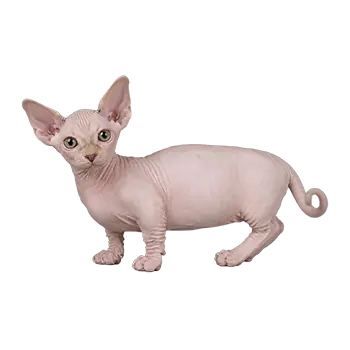

Space & Environment Requirements

The Dwelf is a small but highly active cat that thrives in a warm, draft-free indoor environment. Because this breed is entirely hairless, it lacks the natural insulation that a coat provides, making indoor living essentially mandatory. The ideal ambient temperature for a Dwelf is between 70 and 80 degrees Fahrenheit. Homes that run cooler should provide supplemental warmth through heated beds, blankets, or space-appropriate heating solutions to keep the cat comfortable.

Vertical space is just as important as floor space for a Dwelf. Despite their short legs, these cats are surprisingly agile climbers and enjoy perching at different heights to survey their surroundings. Cat trees, wall-mounted shelves, and elevated perches give the Dwelf opportunities to climb and explore, which satisfies their natural curiosity and provides exercise. Aim for at least two or three vertical options distributed across the main living areas.

Dwelf cats are extremely social and do not tolerate isolation well. Their living space should be integrated into the household's main activity areas rather than tucked away in a spare room. A Dwelf that feels excluded from family life can develop anxiety and behavioral issues. Position sleeping spots, perches, and resting areas where the cat can be near people without necessarily being underfoot.

Sunlight exposure requires careful management. Dwelf cats enjoy basking in warm sunbeams, but their hairless skin is highly susceptible to sunburn. If your home receives strong direct sunlight, consider UV-filtering window films or positioning resting spots in areas that receive indirect light. Brief, supervised sun exposure is fine, but prolonged direct exposure through unfiltered windows should be avoided.

Cat Trees & Climbing Structures

A well-chosen cat tree is one of the most important pieces of furniture you can provide for a Dwelf. Look for structures with multiple platforms at varying heights, enclosed cubbies for hiding, and sturdy bases that will not tip over during enthusiastic climbing. Stability is critical because even though the Dwelf is a lightweight cat, a wobbly tree will deter use and poses a safety risk.

Material choice matters more for hairless cats than for coated breeds. Rough sisal rope is excellent for scratching posts but can irritate bare skin if the cat rests directly against it. Look for cat trees that combine sisal-wrapped posts with plush or fleece-covered platforms and cubbies. Soft, washable fabric on resting surfaces protects the Dwelf's skin and makes cleanup easier, since hairless cats tend to leave body oil residue on surfaces they frequent.

Modular and wall-mounted climbing systems offer an alternative to traditional floor-standing cat trees. These systems can be customized to fit your space and expanded over time as your Dwelf's preferences become clear. Wall shelves with carpeted or padded surfaces create highways along walls that satisfy the breed's climbing instinct without occupying floor space. Ensure all wall-mounted components are anchored securely into studs, not just drywall.

Placement is as important as the structure itself. Position the cat tree near a window so your Dwelf can watch outdoor activity from a safe, warm perch. Avoid placing it in drafty areas near exterior doors or poorly insulated windows. A cat tree in the living room or family room keeps the social Dwelf connected to household activity and encourages regular use.

Beds & Sleeping Areas

Bedding is arguably the most critical housing element for a hairless breed like the Dwelf. These cats seek warmth constantly and will gravitate toward the softest, warmest spot available. Enclosed cave-style beds and hooded beds are particularly popular with Dwelf cats because they trap body heat and provide a sense of security. Look for beds with thick, plush interiors and machine-washable covers, since hairless cats leave behind more skin oil than coated breeds.

Heated cat beds are a worthwhile investment for Dwelf owners, especially in cooler climates or during winter months. Electrically heated pads designed specifically for pets maintain a consistent low temperature and automatically shut off to prevent overheating. Self-warming beds that use reflective thermal liners to redirect body heat are a lower-cost, cord-free alternative that many Dwelf cats find perfectly adequate in moderately cool environments.

Provide multiple sleeping options throughout the home. A Dwelf will rarely commit to a single bed and instead rotates between several spots depending on the time of day, sunlight patterns, and household activity. Having a bed in the bedroom, one in the living area, and one in a quieter retreat space ensures your cat always has a comfortable option nearby. Elevated beds that attach to windowsills or radiator-mounted hammocks are also excellent choices that combine warmth with a view.

Washability cannot be overstated. Hairless cats produce a noticeable amount of skin oil that accumulates on bedding and can develop an odor if not cleaned regularly. Choose beds with removable, machine-washable covers and plan to wash them weekly. Avoid beds with non-removable padding or delicate fabrics that cannot withstand frequent laundering.

Carriers & Travel Housing

A high-quality carrier is essential for veterinary visits, travel, and emergencies. For the Dwelf, the carrier should provide warmth and security in addition to basic safety. Hard-sided carriers with solid walls offer better temperature insulation than mesh soft-sided options, though soft carriers are lighter and easier to store. If you choose a soft carrier, line the interior with a fleece blanket to create a warm, padded environment.

Size the carrier appropriately. The Dwelf is a small cat, so a carrier designed for cats up to 10 pounds is usually sufficient. The cat should be able to stand, turn around, and lie down comfortably, but an oversized carrier allows the cat to slide around during transport, which increases stress. A snug, well-padded carrier feels more secure and helps maintain body heat.

Top-loading carriers are particularly convenient for the Dwelf because they allow you to lower the cat gently into the carrier rather than pushing it through a front door. This design reduces stress for both cat and owner and makes veterinary visits smoother, as the vet can examine the cat while it remains in the bottom half of the carrier. Dual-door carriers that open from both the top and front offer maximum versatility.

For longer trips, consider a carrier with ventilation panels that can be partially covered to retain warmth without restricting airflow. Attach a small, soft blanket or a self-warming pad to the carrier's interior. Familiarize your Dwelf with the carrier well before any trip by leaving it open in the home with a cozy blanket inside, allowing the cat to explore and nap in it voluntarily.

Climate Considerations

Temperature regulation is the single most important housing consideration for the Dwelf. Without fur, this breed cannot thermoregulate as effectively as coated cats, making it vulnerable to both cold and heat. In air-conditioned homes during summer, ensure the temperature does not drop below 68 degrees Fahrenheit, or provide warm retreats the cat can access freely. In winter, supplemental heating in the cat's primary resting areas prevents the Dwelf from becoming dangerously cold.

Humidity also affects a hairless cat's comfort and skin health. Very dry air, common in heated homes during winter, can cause the Dwelf's skin to become dry, flaky, and irritated. A room humidifier in the cat's primary living area helps maintain skin hydration and overall comfort. Aim for a humidity level between 40 and 60 percent, which benefits both the cat and the human occupants of the home.

Drafts are a significant concern. Even in a warm home, a draft from a window, door, or ventilation duct can chill a hairless cat quickly. Survey your Dwelf's favorite resting spots for drafts and relocate beds or perches if necessary. Draft excluders under doors and window insulation kits are simple, inexpensive fixes that can make a noticeable difference in your cat's comfort.

If your Dwelf has access to an enclosed outdoor space like a catio, use it only during mild weather. Temperatures below 60 degrees or above 85 degrees Fahrenheit are uncomfortable for a hairless cat, and direct sun exposure risks sunburn. Outdoor time should be supervised, brief, and limited to comfortable conditions. Provide shade structures and a warm retreat option within the outdoor enclosure so the cat can regulate its own exposure.

Multi-Cat Households

The Dwelf's social and affectionate nature generally makes it a good candidate for multi-cat households, but housing arrangements should account for the breed's specific vulnerabilities. Hairless cats are more susceptible to scratches and skin injuries from rough play, so ensure each cat has its own retreat space where it can escape if interactions become too intense. Enclosed beds, elevated perches, and separate rooms serve as effective safe zones.

Resource distribution is key to maintaining harmony. Provide one litter box per cat plus one extra, positioned in different areas of the home. Food and water stations should also be separated so that no cat has to compete or pass through another cat's territory to access essentials. This is standard multi-cat advice but is especially important for the Dwelf, which may be physically outmatched by larger housemates.

When introducing a Dwelf to an existing cat household, follow a gradual introduction protocol. Keep the new cat in a separate room with its own resources for at least a week, allowing scent exchange through closed doors before any face-to-face meetings. Supervised introductions should be short and positive, with treats and play to create favorable associations. Rushing introductions increases the risk of aggression and injury, which is particularly concerning for a hairless cat whose skin offers no protection.

Shared sleeping arrangements often develop naturally in harmonious multi-cat homes, and Dwelf cats actively seek out warm companions to curl up with. If your cats get along, shared heated beds or oversized cat caves can accommodate multiple cats and provide the Dwelf with both social contact and extra warmth. However, always ensure the Dwelf has access to its own private sleeping spot in case it needs to retreat.

Always consult a qualified professional before making any health-related decisions. This content is provided for informational reference only and should not replace professional guidance specific to your animal.