
Clothing & Sun Protection

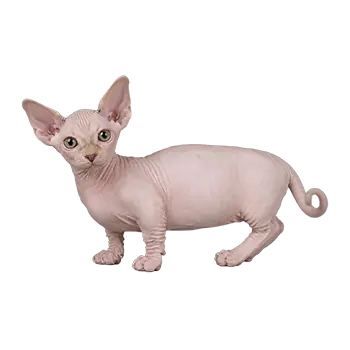
Clothing is not a fashion statement for a Dwelf — it is a functional necessity. Without a coat, this breed relies on external layers for warmth in cooler environments and protection from sun exposure. Lightweight cotton shirts are ideal for everyday wear in air-conditioned homes, providing a thin barrier against drafts without causing overheating. For colder conditions, fleece-lined sweaters and thermal shirts offer more substantial insulation.

Fit is critical when selecting clothing for a Dwelf. Garments that are too tight restrict movement and can cause skin irritation, while loose clothing catches on furniture and creates a tripping hazard. Look for stretchy, four-way knit fabrics that conform to the cat's body without binding. The garment should cover the torso without impeding the cat's ability to use the litter box, groom itself, or move freely. Neck openings should be wide enough to slide on easily but not so loose that the cat can wiggle out.

Sun protection extends beyond clothing. Pet-safe sunscreen is available for areas that remain exposed, such as the ears, nose, and any skin not covered by a garment. Apply sunscreen before any supervised outdoor time and reapply if the cat is outside for more than 30 minutes. Choose a sunscreen specifically formulated for cats, as many human sunscreens contain zinc oxide or salicylates that are toxic if ingested during grooming.

Maintain a wardrobe rotation of at least four to six garments so that you always have clean options available. Hairless cats deposit body oil on fabric quickly, and a worn shirt can become greasy and uncomfortable within a day or two. Wash cat clothing in a gentle, fragrance-free detergent to avoid skin irritation, and inspect garments regularly for worn seams, loose threads, or stretched elastic that could pose a safety risk.

Grooming & Skin Care Tools

Grooming a hairless cat is fundamentally different from grooming a coated breed. Without fur to absorb and distribute skin oils, the Dwelf's body produces a noticeable oily residue that accumulates on the skin, in skin folds, and around the ears and nails. Regular bathing, typically once every one to two weeks, is essential to manage this oil buildup and prevent skin problems. Use a gentle, fragrance-free cat shampoo that cleans without stripping the skin's natural moisture barrier.

Bathing supplies should include a non-slip mat for the sink or tub, lukewarm water, a soft washcloth for cleaning skin folds and facial creases, and a plush towel for drying. Avoid rough exfoliation or scrubbing, as the Dwelf's skin is more delicate than it appears. After bathing, dry the cat thoroughly and immediately, since a wet hairless cat chills rapidly. Some owners use a low-heat hair dryer held at a safe distance, though many Dwelf cats prefer being towel-dried and wrapped in a warm blanket.

Ear cleaning is a frequent necessity for hairless breeds. Without ear hair to trap debris, the Dwelf's ear canals accumulate wax and oil faster than those of coated cats. A veterinarian-recommended ear cleaning solution and cotton balls should be part of your regular grooming kit. Clean the outer ear and visible canal gently, never inserting anything deep into the ear. Weekly ear checks help catch infections early before they become painful or chronic.

Nail care requires extra attention in the Dwelf because their nail beds accumulate the same brownish oil residue that builds up on the skin. Trim nails every one to two weeks using a sharp, appropriately sized cat nail clipper, and wipe around the nail beds with a damp cloth during bathing to remove buildup. Keeping nails short also reduces the risk of the cat scratching its own bare skin during grooming or play.

Bowls, Feeders & Water Stations

The right feeding equipment supports your Dwelf's health and makes mealtimes cleaner and more comfortable. Shallow, wide bowls are preferable to deep, narrow ones because they prevent whisker fatigue, a discomfort that occurs when sensitive whiskers press repeatedly against the sides of a bowl. Stainless steel and ceramic are the best materials, as they are non-porous, easy to sanitize, and do not harbor bacteria the way scratched plastic can over time.

Elevated feeding stations raise the bowl to a comfortable height and promote a more natural eating posture. For a small cat like the Dwelf, a modest elevation of two to four inches is sufficient. Elevated feeders are especially helpful for older cats or those with digestive sensitivity, as eating from a slightly raised position can reduce air intake and minimize vomiting after meals.

Water fountains are strongly recommended for the Dwelf. Cats are naturally drawn to moving water, and a fountain encourages more frequent drinking compared to a static bowl. Adequate hydration is particularly important for hairless breeds, whose exposed skin loses moisture more readily. Choose a fountain with a quiet pump, a dishwasher-safe reservoir, and replaceable charcoal filters to keep the water fresh and appealing.

Automatic feeders serve a practical role for Dwelf owners who work long hours or travel occasionally. Programmable feeders dispense measured portions at set times, maintaining the consistent feeding schedule that benefits the breed's fast metabolism. Some models feature sealed compartments that keep wet food fresh until the scheduled feeding time, which is useful if your Dwelf's diet includes canned food. Always test an automatic feeder thoroughly before relying on it during an absence.

Harnesses, Leashes & Outdoor Gear

If you plan to take your Dwelf outdoors, a well-fitted harness is non-negotiable. Collars alone are insufficient for cats and pose a strangulation risk if the cat panics or gets snagged. A vest-style or H-style harness distributes pressure across the chest and shoulders rather than the throat. For a hairless cat, the harness material should be soft and lined with a smooth fabric to prevent chafing against bare skin. Neoprene-lined or fleece-lined harnesses work well.

Fitting the harness correctly requires careful measurement. You should be able to slide two fingers between the harness and the cat's skin, but no more. A too-loose harness allows the cat to escape, which is dangerous outdoors, while a too-tight harness restricts breathing and causes skin irritation within minutes. Check the fit regularly, as the Dwelf's small size means even minor weight fluctuations can affect harness sizing.

A lightweight, non-retractable leash of four to six feet provides enough freedom for exploration while keeping the cat under control. Retractable leashes are not recommended for cats because the sudden tension from a spring-loaded mechanism can startle the animal and the thin cord can cause injuries if it wraps around a limb. A fixed-length leash with a comfortable handle gives you consistent control and avoids these risks.

Outdoor excursions with a Dwelf should be limited to mild weather conditions and shaded areas. Carry water and a portable bowl for hydration, and keep sessions short, typically 15 to 30 minutes, until you know how your cat responds to outdoor stimulation. A pet stroller designed for cats offers an alternative that allows your Dwelf to experience the outdoors in a climate-controlled, enclosed environment while minimizing exposure risks.

Safety & Identification

Microchipping is the most reliable form of permanent identification for any cat, and it is especially important for a rare breed like the Dwelf. A microchip is a tiny transponder injected under the skin between the shoulder blades, and it can be scanned by any veterinary clinic or animal shelter to retrieve your contact information. Ensure the chip is registered with a national pet recovery database and keep your contact details current. Microchipping is a one-time procedure that provides lifelong identification.

Breakaway collars with ID tags provide a visible, immediate identification method that complements the microchip. Breakaway collars are designed to release under pressure, preventing strangulation if the collar catches on an object. For a hairless cat, choose a collar with a soft, smooth inner lining and a lightweight tag. Some owners prefer slide-on collar tags rather than dangling tags to reduce noise and the risk of catching on fabric or furniture.

Window and balcony safety is a critical consideration for any indoor cat, but particularly for an agile, curious breed like the Dwelf. Secure all windows with pet-proof screens or window guards that prevent the cat from pushing through or falling. High-rise syndrome, where cats fall from windows and balconies, is a well-documented emergency, and the Dwelf's adventurous personality puts it at risk. Balconies should be fully enclosed with cat-safe netting if the cat has access to them.

Household hazard-proofing rounds out the safety picture. Secure electrical cords with cord covers or routing channels to prevent chewing. Store small objects, rubber bands, hair ties, and string out of reach, as these are common foreign body ingestion risks. Ensure all houseplants are non-toxic to cats, and store cleaning chemicals, medications, and other toxic substances in locked or latched cabinets. A thorough safety audit of your home before bringing a Dwelf home prevents easily avoidable emergencies.

Seasonal & Weather Gear

Seasonal wardrobe adjustments are part of responsible Dwelf ownership. During winter, heavier garments like fleece-lined sweaters and insulated vests keep the cat warm during daily activities. Look for designs that cover the torso and upper legs without restricting movement. In transitional seasons like spring and fall, lighter cotton or jersey-knit shirts provide just enough warmth without overheating. Summer often requires the least clothing, but a thin UV-protective shirt is still valuable if the cat spends time near windows with strong sunlight.

Heated accessories become essential during cold months. Heated cat pads, thermal mats, and self-warming blankets provide constant warmth in the cat's primary resting areas. Electrically heated pads should have chew-resistant cords, low-voltage operation, and automatic shutoff timers. Position heated accessories on or near the cat's favorite sleeping spots so the Dwelf can self-regulate by moving toward or away from the heat source.

Paw protection is sometimes overlooked but relevant for Dwelf cats that walk on cold floors. Tile, hardwood, and stone flooring can become uncomfortably cold during winter months, and while most indoor cats tolerate this without issue, a hairless cat that spends extended time on cold surfaces may become chilled. Providing rugs, mats, or padded pathways in the cat's frequent travel routes helps keep the Dwelf comfortable. Cat socks or booties exist but are rarely tolerated and typically not necessary for an exclusively indoor cat.

Travel during extreme weather requires additional preparation. A car that has been sitting in a hot parking lot can reach dangerous temperatures within minutes, and a cold car in winter can chill a hairless cat rapidly. Always pre-condition the vehicle to a comfortable temperature before placing the cat inside. Bring an extra blanket or sweater in the carrier for unexpected temperature drops, and never leave a Dwelf unattended in a parked vehicle under any weather conditions.

Always consult a qualified professional before making any health-related decisions. This content is provided for informational reference only and should not replace professional guidance specific to your animal.