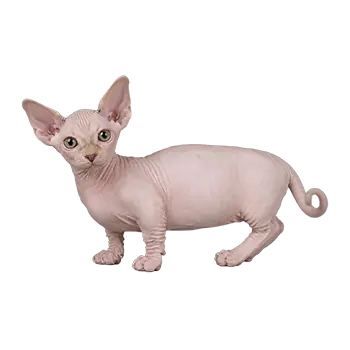

The Dwelf is a hairless breed with a notably high metabolic rate. Without a coat to insulate their body, these cats burn significantly more calories to maintain their core temperature, especially in cooler environments. This means that a Dwelf typically requires a calorie-dense diet compared to coated breeds of similar size. Owners should expect to feed slightly larger portions or opt for formulas with higher fat and protein content to keep up with these energy demands.
Protein should form the foundation of a Dwelf's diet. As obligate carnivores, cats rely on animal-based protein sources for essential amino acids like taurine and arginine, both of which are critical for heart health, vision, and overall metabolic function. Look for foods that list a named animal protein as the first ingredient, such as chicken, turkey, salmon, or duck. Plant-based protein fillers are less bioavailable and should not serve as a primary protein source.
Fat is equally important for the Dwelf, serving as a concentrated energy source and supporting healthy skin. Because hairless cats are more prone to skin oiliness and irritation, omega-3 and omega-6 fatty acids play a particularly vital role. These essential fats help regulate oil production, reduce inflammation, and support the skin barrier that a coat would otherwise protect.
Carbohydrates should be kept moderate. While cats can digest some carbohydrates, excessive grain or starch content can lead to weight gain and digestive discomfort. A moderate carbohydrate level from easily digestible sources like sweet potato or peas is acceptable, but the overall formula should remain protein-forward. Monitoring your Dwelf's body condition regularly will help ensure the diet is meeting their unique caloric requirements without encouraging obesity.