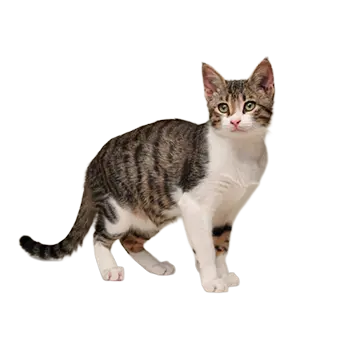

For Cyprus cats with outdoor access — whether through a catio, supervised yard time, or managed free-roaming in safe environments — a GPS tracker attached to the collar provides real-time location data and significant peace of mind. The Cyprus cat's independent nature and athletic ability mean that a cat given outdoor access is likely to range farther and explore more confidently than many other breeds, making location tracking especially valuable.
Modern cat GPS trackers use a combination of GPS satellite positioning, cellular network triangulation, and in some cases Bluetooth and Wi-Fi proximity detection to provide location accuracy within a few meters. Most devices pair with a smartphone app that displays the cat's current location on a map, records movement history, and allows the owner to set geofence boundaries that trigger alerts when the cat leaves a defined area. For a breed as exploratory as the Cyprus cat, the geofence feature is particularly useful for identifying when a cat has strayed beyond its normal range.
Device weight and size are critical selection factors for cat trackers. Dogs can carry relatively heavy GPS units without discomfort, but cats are more sensitive to collar-mounted weight. A tracker that exceeds 30 to 35 grams can cause neck fatigue and may discourage the cat from wearing the collar. The smallest modern trackers weigh under 30 grams and are designed specifically for cats, with compact profiles that minimize snagging on vegetation and fencing.
Battery life varies substantially between products and directly affects practicality. Some trackers offer real-time continuous tracking but require daily charging, while others use interval-based location pings that extend battery life to a week or more. Owners should evaluate their specific use case — a cat that goes outdoors for a few hours daily may need real-time tracking during those periods, while a cat with occasional supervised outdoor access may be well-served by less frequent location updates. Most GPS trackers require a monthly cellular subscription for data transmission, which is an ongoing cost that should be factored into the purchasing decision.