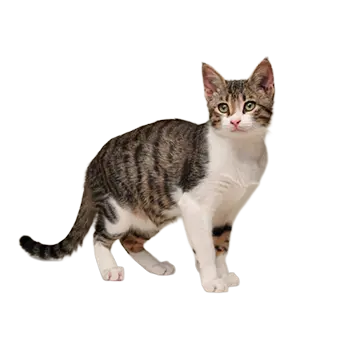

Housing Considerations for the Breed

The Cyprus cat's origins as a landrace breed — one shaped by centuries of natural selection on the Mediterranean island of Cyprus — have produced a cat with strong territorial instincts, considerable athleticism, and a deeply ingrained desire to survey its environment from elevated positions. Housing decisions for this breed should account for all three of these traits. A living space that feels cramped, lacks vertical options, or offers no opportunities for retreat will produce a stressed, under-stimulated cat.

Unlike breeds developed specifically for apartment living, the Cyprus cat descends from populations that historically ranged freely across rural and semi-urban landscapes. This does not mean the breed cannot adapt to indoor life — many Cyprus cats thrive indoors — but it does mean the indoor environment must be deliberately enriched to compensate for the loss of outdoor territory. Square footage alone is less important than how the space is structured. A small apartment with well-placed vertical elements, hiding spots, and window perches can be more satisfying to a Cyprus cat than a large, empty room.

Temperature and climate comfort are generally not a significant concern for this breed. Having evolved in the Mediterranean climate of Cyprus, these cats tolerate warm conditions well and carry coats that range from short to semi-long. In colder climates, providing warm resting spots away from drafts — heated beds, fleece-lined enclosures, or sunny windowsills — helps keep the cat comfortable during winter months without requiring elaborate climate management.

Multi-cat households present an additional layer of complexity. Cyprus cats are generally sociable and can coexist well with other cats, but their territorial nature means each cat needs access to its own core resources — sleeping spots, feeding stations, and litter areas — without having to compete or navigate through another cat's claimed space. Vertical territory becomes even more critical in multi-cat homes, as height provides status and security that can reduce conflict between housemates.

Cat Trees & Vertical Space

Vertical territory is arguably the single most important housing element for a Cyprus cat. This breed is a natural climber with strong hind legs, excellent balance, and an instinctive preference for elevated vantage points. A floor-to-ceiling cat tree or a series of wall-mounted shelves that create a climbing route across the room will be used heavily and consistently. Investing in vertical infrastructure pays dividends in the form of a calmer, more confident, and better-exercised cat.

When selecting a cat tree, structural stability is the first priority. Cyprus cats are not small, delicate animals — males can weigh upward of 14 to 16 pounds — and a tree that wobbles or tips when the cat launches onto it will be abandoned quickly. Look for trees with a wide, heavy base, thick support posts, and solid platform construction. Floor-to-ceiling tension models offer the greatest stability and maximize vertical space without consuming additional floor area.

Scratching surfaces should be integrated into the cat tree design. Sisal rope-wrapped posts are the industry standard and align well with most cats' scratching preferences, but some Cyprus cats may prefer sisal fabric, corrugated cardboard, or even bare wood. Observing which surfaces your cat gravitates toward and ensuring those materials are represented on the tree will protect your furniture and provide a satisfying outlet for this natural behavior.

Platform size matters more than the number of platforms. A tree with six tiny perches is less useful than one with three or four platforms large enough for the cat to stretch out, turn around, and sleep comfortably. Enclosed cubbies or hammock-style beds integrated into the tree structure provide hiding spots for cats that want to observe their surroundings without being fully exposed — a resting posture that many Cyprus cats prefer.

Beds & Resting Areas

Cyprus cats tend to rotate between several preferred resting spots throughout the day, often choosing locations based on temperature, light conditions, and household activity levels. Rather than investing in a single premium bed, providing three or four comfortable resting options distributed around the living space gives the cat the autonomy to choose where it feels most secure at any given time.

Bed style preferences vary among individual cats, but enclosed or hooded beds tend to appeal to the Cyprus cat's instinct for sheltered resting. Cave-style beds, covered donuts, and igloos provide a sense of enclosure that mimics the protected resting spots these cats' ancestors would have sought in the Cypriot landscape. That said, some individuals prefer open bolster beds that allow full visual awareness of the room — offering both styles lets the cat self-select.

Window perches deserve special mention as a resting option. Cyprus cats are keen observers and often spend extended periods watching outdoor activity — birds, passing vehicles, weather changes. A sturdy window-mounted perch or a shelf positioned to catch afternoon sun satisfies both the cat's desire for warmth and its need for environmental stimulation. Suction-cup-mounted perches should be rated for the cat's weight with a meaningful safety margin, and adhesion should be tested regularly.

Washability is a practical consideration that affects long-term satisfaction with any bed. Cyprus cats with semi-long coats will shed more than their short-coated counterparts, and all cats track litter dust into their bedding. Beds with removable, machine-washable covers or fully washable construction make routine cleaning straightforward and help maintain hygiene. Avoid beds that can only be spot-cleaned, as odor and allergen buildup will eventually make them unappealing to both the cat and the household.

Catios & Outdoor Enclosures

Outdoor enclosures — commonly called catios — offer a compelling compromise for Cyprus cat owners who want to provide outdoor access without the risks associated with free roaming. Given this breed's ancestral connection to outdoor life, a catio can significantly improve quality of life for indoor Cyprus cats by providing fresh air, direct sunlight, exposure to natural sounds and scents, and the opportunity to observe wildlife up close.

Catio designs range from simple window-box enclosures that extend from an existing window to full walk-in structures built against the side of the house. For Cyprus cats, a catio should be large enough to allow running, jumping, and climbing — not merely sitting. Including vertical elements such as shelves, ramps, and elevated platforms within the enclosure replicates the kind of three-dimensional movement this breed craves. Ground-level access to grass or soil provides additional sensory enrichment.

Construction materials should prioritize durability and security. Welded wire mesh is more resistant to determined paws than standard window screening, and all joints and access points should be designed to prevent both escape and intrusion by wildlife. The enclosure should provide shade and rain protection over at least a portion of the space so the cat can remain outdoors comfortably in varying weather. In regions with hot summers, adequate ventilation and shaded resting areas prevent overheating.

Portable outdoor enclosures and cat tents offer a less permanent alternative for owners who rent or who want seasonal outdoor access. These products vary widely in quality and security, so careful evaluation of zippers, mesh strength, and staking systems is essential before trusting them with an athletic, resourceful breed like the Cyprus cat. Supervised use is generally recommended for portable enclosures regardless of their construction quality.

Litter Box Setup

Litter box selection and placement are foundational housing decisions that directly affect the Cyprus cat's comfort, hygiene behavior, and overall stress levels. The standard rule of one litter box per cat plus one additional box applies fully to this breed, and in multi-story homes, at least one box should be accessible on each level the cat uses regularly.

Box size is a common area where owners underestimate their cat's needs. Cyprus cats, particularly males, are larger than average domestic cats, and a standard litter box may feel cramped. The box should be at least 1.5 times the cat's body length from nose to base of tail, allowing the cat to enter, turn around, and dig comfortably without hanging over the edge. High-sided boxes or top-entry designs can help contain litter scatter from enthusiastic diggers, a behavior many Cyprus cats exhibit.

Covered versus uncovered boxes is a matter of individual preference that often requires experimentation. Some Cyprus cats appreciate the privacy and odor containment of a hooded box, while others find the enclosure claustrophobic or dislike the intensified smell of waste trapped under a lid. If using covered boxes, ensure the interior space is generous enough for the cat to stand and turn without touching the walls or ceiling.

Litter substrate choice influences both the cat's willingness to use the box and the household's ability to manage odor and tracking. Unscented, fine-grained clumping clay litter is the most widely accepted substrate among cats and is a safe default starting point. Some owners of semi-long-coated Cyprus cats prefer lower-tracking alternatives like pine pellets or crystal litter to reduce the amount of material carried out of the box on the cat's paws and fur. Transitioning between litter types should be done gradually, mixing the new substrate with the old over a period of one to two weeks.

Safe Rooms & Retreat Spaces

Every cat benefits from having access to a space where it can retreat from household activity, and the Cyprus cat is no exception despite its generally sociable nature. A safe room or designated retreat area is especially important during introduction periods — bringing a new Cyprus cat home, introducing a new pet or family member, or during high-stress events like construction, parties, or severe weather.

The ideal retreat space is a quiet room with a door that closes, containing the cat's essential resources: food, water, a litter box, a bed, and a scratching surface. This room serves as the cat's secure home base during adjustment periods and can continue to function as a voluntary retreat long after the cat has acclimated to the full living space. Many cats develop a lasting attachment to their initial safe room and return to it during stressful moments even years later.

Within the broader living environment, creating micro-retreats — small sheltered spaces distributed throughout the home — gives the Cyprus cat options for temporary withdrawal without needing to leave the common areas entirely. These can be as simple as a covered bed tucked behind furniture, a shelf with a privacy screen, or access to a closet left slightly ajar. The goal is to ensure the cat always has a nearby option for reduced stimulation and visual cover.

For multi-cat households, retreat spaces become even more critical. Resource guarding and territorial tension often manifest not as open aggression but as subtle avoidance patterns — a cat that stops using a particular room, begins eliminating outside the box, or develops stress-related grooming issues. Ensuring that every cat has access to private spaces that cannot be blocked by a dominant housemate reduces chronic stress and prevents many common behavioral problems associated with social pressure.

Environmental Enrichment Integration

Housing for a Cyprus cat should be viewed not as a static collection of furniture but as an integrated environment designed to stimulate the cat's physical and cognitive abilities. The most effective enrichment strategies embed opportunities for exploration, hunting simulation, and sensory engagement into the daily fabric of the living space rather than relying on occasional play sessions to meet the cat's needs.

Rotation is a simple but powerful principle. Cats habituate quickly to unchanging environments, and a living space that felt stimulating six months ago may now feel monotonous. Periodically rearranging furniture, introducing new boxes or paper bags, rotating scratching surfaces between rooms, or repositioning cat shelves creates novelty without significant expense. The Cyprus cat's natural curiosity makes it particularly responsive to environmental changes.

Scent enrichment is an often-overlooked dimension of the indoor environment. Catnip, silver vine, valerian root, and Tatarian honeysuckle can all be used to refresh familiar spaces and encourage re-exploration of areas the cat has begun to ignore. Not all cats respond to all scent stimulants — sensitivity to catnip, for example, is genetically determined and affects roughly 60–70% of cats — so testing multiple options helps identify which substances your particular Cyprus cat finds stimulating.

Acoustic enrichment can also contribute to the quality of the indoor environment. Background nature sounds, bird-watching videos designed for cats, or simply opening windows to allow outdoor sounds to enter the home provides auditory stimulation that complements visual and physical enrichment. For Cyprus cats housed entirely indoors, multi-sensory environmental design comes closest to replicating the rich, variable sensory landscape their ancestors navigated on the island of Cyprus.

Always consult a qualified professional before making any health-related decisions. This content is provided for informational reference only and should not replace professional guidance specific to your animal.