
Nutritional Needs

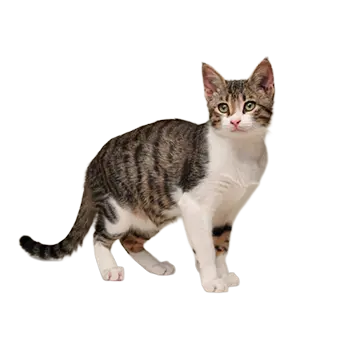
The Cyprus cat is one of the oldest naturally occurring cat populations in the world, with a lineage stretching back thousands of years on the island of Cyprus. This heritage as a landrace breed — shaped by natural selection rather than selective breeding programs — has produced a cat with a robust constitution, efficient metabolism, and an athletic build that demands a diet rich in high-quality animal protein. Unlike heavily refined breeds, the Cyprus cat retains many of the metabolic traits of its semi-feral ancestors, meaning its nutritional requirements lean closer to what a naturally living cat would seek out.

Because Cyprus cats tend to be muscular and moderately active, they require a protein-forward diet that supports lean body mass without encouraging excessive weight gain. Their metabolism is generally efficient, but individual cats can vary considerably in size — males in particular can reach the upper end of the medium-to-large range. Monitoring body condition score rather than relying on generic weight charts is especially important for a breed with this much natural variation in frame size.

The coat of the Cyprus cat ranges from short to semi-long depending on the individual, and coat quality is directly influenced by dietary fat. Omega-3 and omega-6 fatty acids are essential for maintaining the natural luster and texture of the fur, as well as supporting healthy skin underneath. A diet lacking in these essential fats will often show up first in a dull, dry coat before other deficiency signs become apparent.

Hydration is a consistent concern for all cats, and the Cyprus is no exception. Despite their hardy reputation, Cyprus cats share the same low thirst drive common to all domestic felines. Ensuring adequate moisture intake through wet food, water fountains, or adding water to dry kibble helps protect kidney and urinary tract function over the course of the cat's life.

What to Look For

When selecting food for a Cyprus cat, the ingredient list should begin with a clearly named animal protein. Chicken, turkey, duck, fish, or rabbit listed as the first ingredient signals a formula built around the protein source cats are biologically designed to consume. Vague terms like "meat meal" or "animal by-products" are red flags that the protein quality may be inconsistent or sourced from less desirable parts of the supply chain.

Protein content on a dry-matter basis should be in the range of 40% or higher. Because Cyprus cats are athletic and carry a good deal of muscle relative to their frame, they benefit from protein levels at the upper end of what commercial cat foods offer. Fat content should sit in the 15–20% range, with clearly identified fat sources such as chicken fat, salmon oil, or sunflower oil rather than generic "animal fat."

Carbohydrate content deserves attention even though it is not always listed directly on the label. Cats have limited ability to metabolize carbohydrates efficiently, and excessive starch from grains, potatoes, or legumes can contribute to blood sugar fluctuations and gradual weight gain. A moderate carbohydrate load is acceptable, but the formula should not be padded with cheap fillers to reach its calorie targets.

Taurine supplementation is non-negotiable. This amino acid is essential for cardiac function, vision, and reproductive health in cats, and unlike many mammals, cats cannot synthesize it internally. Virtually all reputable commercial cat foods include added taurine, but it is worth verifying on the guaranteed analysis — particularly if you are using a smaller or boutique brand, or if you are preparing any portion of the diet at home.

Recommended Dry Food

Dry kibble is a practical choice for Cyprus cat owners, especially in multi-cat households or for cats that graze throughout the day. The best dry food options for this breed feature a high protein-to-carbohydrate ratio with whole or deboned meat as the leading ingredient. Formulas marketed for active or indoor-active cats tend to have the nutrient profile that aligns with the Cyprus cat's athletic build and moderate-to-high activity level.

Kibble shape and size are worth considering. Cyprus cats are generally confident, unhesitant eaters — a trait likely carried over from their semi-feral heritage — and some individuals eat quite rapidly. A kibble with a larger or more irregular shape encourages chewing rather than gulping, which can reduce the likelihood of regurgitation and improve digestion. Slow-feed bowls can also address this tendency.

The primary limitation of dry food is its low moisture content, which typically hovers around 10%. For a breed that may already drink less water than ideal, relying exclusively on kibble increases the long-term risk of urinary crystals, bladder inflammation, and kidney stress. Supplementing dry food with wet food, bone broth, or simply adding warm water to the kibble before serving can meaningfully improve daily fluid intake without requiring a complete diet overhaul.

Proper storage extends the useful life of dry food and protects its nutritional integrity. Once a bag is opened, the fats in the formula begin to oxidize on contact with air, and exposure to humidity can promote mold growth. Transferring kibble to an airtight container and storing it in a cool, dry location preserves freshness and ensures the food delivers the nutrition promised on the label.

Wet & Fresh Options

Wet food is an excellent dietary component for Cyprus cats, either as a standalone diet or as a complement to dry kibble. The most immediate benefit is moisture: wet food typically contains 75–85% water, which directly supports urinary and kidney health. For Cyprus cats that are reluctant drinkers — a common trait across all domestic cat breeds — the hydration advantage of wet food alone can justify its inclusion in the daily feeding plan.

Pate-style formulations generally offer the highest protein density and the lowest filler content among wet food textures. Chunks-in-gravy and shredded varieties often rely on gums, starches, and thickening agents to achieve their texture, which can dilute the overall nutritional value per serving. That said, palatability matters — a nutritionally superior food that a cat refuses to eat provides no benefit. Offering a few different textures when introducing wet food helps identify what your individual Cyprus cat prefers.

Fresh and refrigerated cat food options have become increasingly available and can serve as a middle ground between commercial wet food and raw diets. These products undergo minimal processing, use whole-food ingredients, and often contain fewer synthetic vitamin and mineral additions because the base ingredients retain more of their natural nutrient content. The trade-offs are higher cost, shorter shelf life, and the need for consistent refrigeration.

Homemade diets are an option some owners pursue, particularly those who want maximum control over ingredient sourcing. However, formulating a nutritionally complete diet for cats is far more complex than it might appear. Cats require precise ratios of calcium to phosphorus, adequate taurine, appropriate vitamin A levels (they cannot convert beta-carotene), and sufficient arachidonic acid — none of which can be reliably achieved through intuition alone. Working with a board-certified veterinary nutritionist is essential if you choose this path.

Treats & Supplements

Treats serve a functional role beyond simple indulgence, particularly for Cyprus cats. This breed is intelligent and often responsive to positive reinforcement, making treats an effective tool for training, behavioral conditioning, and reinforcing desired habits. Freeze-dried single-protein treats — chicken hearts, salmon bites, or shrimp — are among the healthiest choices, providing high palatability without added sugars, artificial colors, or grain-based fillers.

Caloric discipline around treats is important regardless of how active the cat appears. The standard guideline limits treats to no more than 10% of the daily caloric intake. For a typical adult Cyprus cat consuming between 250 and 350 calories per day depending on size and activity level, that means roughly 25–35 calories in treats. Many commercial treats are more calorie-dense than owners realize, so reading the per-treat calorie content and portioning accordingly prevents gradual, unnoticed weight gain.

Supplementation is generally unnecessary for Cyprus cats eating a complete and balanced commercial diet. However, targeted supplements can be beneficial in specific circumstances. Fish oil providing EPA and DHA omega-3 fatty acids supports coat quality, joint flexibility, and anti-inflammatory processes, which can be particularly valuable for aging cats or those with early signs of stiffness. Probiotic supplements may benefit cats with intermittent digestive sensitivity or those recovering from antibiotic treatment.

Joint supplements containing glucosamine and chondroitin are sometimes recommended for larger, athletic cats as they enter their senior years. While the evidence base for these supplements in cats is less robust than in dogs or humans, some veterinarians recommend them as a low-risk addition for cats showing early mobility changes. As with any supplement, veterinary consultation should precede use to ensure there are no interactions with existing medications or contraindications based on the individual cat's health status.

Foods to Avoid

Several human foods pose serious health risks to cats and should be kept well out of reach of your Cyprus cat. Onions, garlic, shallots, leeks, and chives — the entire allium family — can cause oxidative damage to feline red blood cells, leading to Heinz body anemia. This toxicity is cumulative, meaning even small, repeated exposures over time can produce dangerous effects. All forms are harmful: raw, cooked, powdered, and dehydrated.

Chocolate and caffeine contain methylxanthines, specifically theobromine and caffeine, which cats metabolize extremely slowly compared to humans. Ingestion can cause vomiting, diarrhea, rapid heart rate, muscle tremors, and seizures. Dark chocolate and baking chocolate carry the highest concentrations, but all chocolate products should be considered dangerous. Grapes and raisins also pose a serious threat, with the potential to cause acute kidney failure in cats — the toxic compound has not been definitively identified, making it impossible to determine a safe dose.

Raw eggs, raw meat, and raw fish carry bacterial risks from salmonella and E. coli that can affect both the cat and household members who handle the food or clean the litter box. Beyond bacterial concerns, raw egg whites contain avidin, which blocks biotin absorption, and raw fish contains thiaminase, an enzyme that degrades thiamine. Chronic thiamine deficiency causes neurological symptoms including loss of coordination, seizures, and in severe cases, death.

Dairy products are a frequent source of digestive upset in adult cats. Despite the widespread cultural image of cats drinking milk, most adult cats produce insufficient lactase to digest lactose effectively. The result is bloating, gas, diarrhea, and abdominal discomfort. If your Cyprus cat enjoys the taste of dairy, cat-specific lactose-free milk products are available and are a much safer alternative to standard cow's milk or cream.

Feeding Schedule

Cyprus cats generally thrive on a structured feeding schedule with defined mealtimes rather than unlimited access to food throughout the day. While the breed's active temperament and efficient metabolism make them less prone to obesity than some more sedentary breeds, scheduled feeding still provides the advantage of portion control and allows owners to quickly notice changes in appetite that might indicate a developing health issue.

Two meals per day — morning and evening — is the standard recommendation for adult Cyprus cats. Some owners find that splitting the daily ration into three smaller meals works better, particularly for cats that tend to eat quickly and then vomit, or for cats with sensitive digestion. The important factor is consistency: cats develop strong internal clocks around feeding times, and erratic scheduling can create anxiety and behavioral issues around food.

Kittens require more frequent feeding to support their rapid growth and high energy expenditure. Cyprus kittens under six months should be offered food three to four times daily, transitioning to three meals between six and nine months, and settling into an adult schedule of two meals by approximately one year of age. During the growth phase, a kitten-specific formula with elevated protein and calorie density is appropriate and should be continued until the cat reaches physical maturity.

Puzzle feeders and food-dispensing toys are particularly well-suited to the Cyprus cat's intelligence and problem-solving inclination. Converting a portion of the daily meal into a foraging exercise provides mental stimulation, slows down rapid eaters, and mimics the natural effort-reward cycle of hunting. For indoor Cyprus cats especially, meal-based enrichment can significantly reduce boredom-driven behavioral problems. Just ensure that all food dispensed through enrichment devices is counted toward the total daily caloric intake.

Always consult a qualified professional before making any health-related decisions. This content is provided for informational reference only and should not replace professional guidance specific to your animal.