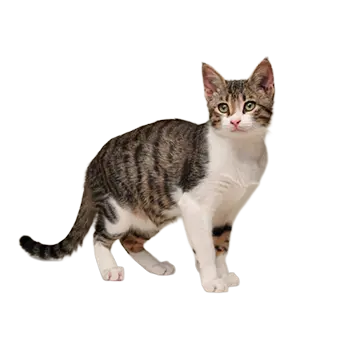

The Cyprus cat's coat varies from short and dense to semi-long with a moderate undercoat, and the grooming toolkit should be matched to the individual cat's coat type. Short-coated Cyprus cats require relatively minimal grooming — a weekly session with a fine-toothed comb or rubber grooming mitt is usually sufficient to remove loose hair and distribute natural oils. Semi-long-coated individuals need more frequent attention, ideally two to three times per week, to prevent matting in areas where friction occurs: behind the ears, under the forelegs, and along the belly.
A stainless steel comb with both wide-spaced and fine-spaced teeth is the most versatile grooming tool for this breed. The wide teeth work through the coat without pulling, while the fine teeth catch smaller tangles and loose undercoat before they develop into mats. For short-coated cats, a rubber curry brush or grooming glove is a gentler alternative that many cats find pleasurable rather than merely tolerable. Deshedding tools with thinning blades should be used sparingly and only on cats with enough coat density to warrant them — aggressive use can damage the topcoat and irritate the skin.
Nail maintenance is a routine necessity. Indoor Cyprus cats that do not have access to rough outdoor surfaces will need their claws trimmed every two to three weeks. A sharp, guillotine-style or scissor-style nail clipper designed for cats is the essential tool. The key is cutting only the transparent tip of the nail and avoiding the pink quick, which contains nerves and blood vessels. Establishing a nail-trimming routine during kittenhood makes the process far less stressful for both cat and owner in adulthood.
Dental care is often neglected but has a direct impact on long-term health. Periodontal disease affects the majority of cats over the age of three and can contribute to systemic health problems including heart and kidney disease. Enzymatic toothpaste formulated for cats, applied with a finger brush or small pet toothbrush, is the gold standard for at-home dental care. Dental treats and water additives can supplement brushing but should not replace it entirely.