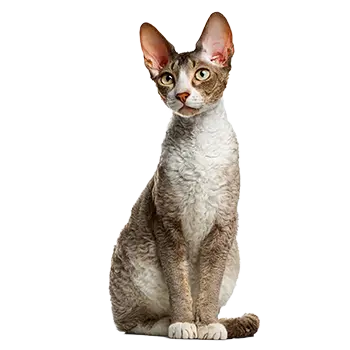

The Cornish Rex has an exceptionally fast metabolism that sets it apart from many other cat breeds. This slender, muscular cat burns through calories at a surprising rate, partly because its thin, wavy coat provides less insulation than the dense fur of most breeds. As a result, the Cornish Rex needs a calorie-dense diet that supports sustained energy without requiring enormous portion sizes.
Protein should form the foundation of any Cornish Rex diet. As obligate carnivores, all cats require animal-based protein, but the Cornish Rex benefits especially from high-quality protein sources that support its lean muscle mass. Look for foods where a named animal protein appears as the first ingredient, and where the guaranteed analysis shows protein content at or above thirty percent for dry food.
Fat content is another area where the Cornish Rex differs from the average housecat. Because these cats lack the insulating undercoat that most breeds carry, they rely more heavily on dietary fat for internal temperature regulation and sustained energy. A moderate-to-high fat content helps the Cornish Rex maintain body condition without needing to eat excessively throughout the day.
Micronutrients deserve attention as well. Omega-3 and omega-6 fatty acids support the health of the Cornish Rex's distinctive wavy coat, while taurine — an essential amino acid for all cats — must be present in adequate quantities. B vitamins and zinc also contribute to coat quality and overall vitality in this active breed.