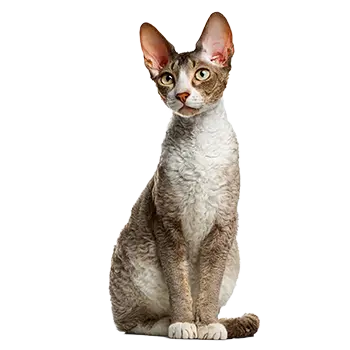

Space & Vertical Territory

The Cornish Rex is an athletic, agile cat that craves vertical space as much as floor area. Unlike bulkier breeds that prefer lounging at ground level, this breed is a natural climber and jumper, often found perched on the highest available surface in any room. Providing adequate vertical territory — tall cat trees, wall-mounted shelves, and elevated perches — is essential for meeting the Cornish Rex's spatial needs.

A well-designed living environment for a Cornish Rex takes advantage of vertical real estate on walls and in corners. Cat shelving systems that create staircase-like pathways along walls allow the cat to traverse a room without touching the floor, which satisfies both the breed's climbing instinct and its desire to observe from above. These systems are especially valuable in smaller apartments where floor space is limited.

Cat trees for the Cornish Rex should prioritize height and stability over bulk. Look for tall, slender designs with multiple platforms at varying heights, as this breed prefers leaping between levels over nestling into enclosed cubbies. Sisal-wrapped posts provide scratching opportunities at different heights, and platforms with raised edges or slight curvature help the cat feel secure at elevation.

Open floor plans work well for the Cornish Rex because they allow the cat to run and play freely. This breed enjoys sprinting in short bursts and will use long hallways or open living areas as racetracks. Removing unnecessary obstacles at floor level and ensuring that furniture arrangement allows clear running paths can significantly improve quality of life for this active cat.

Beds & Sleeping Areas

Warmth is the single most important factor when choosing sleeping arrangements for a Cornish Rex. The breed's thin, wavy coat — which lacks the dense undercoat found in most cats — provides minimal insulation, making these cats perpetual heat-seekers. Beds with raised sides, hooded designs, or cave-style enclosures that trap body heat are ideal choices for keeping a Cornish Rex comfortable during rest.

Self-warming beds that use reflective thermal liners to return the cat's own body heat are an excellent low-maintenance option. These require no electricity and work well in moderate climates. For cooler environments or drafty homes, heated cat beds with adjustable thermostats provide consistent warmth. Choose models with chew-resistant cords and automatic shutoff features for safety.

Placement of beds matters as much as the bed itself. The Cornish Rex gravitates toward sunny windowsills, warm radiator tops, and spots near heating vents. Positioning a comfortable bed in these naturally warm locations encourages the cat to use the bed rather than seeking out less ideal warm spots like laptop keyboards or stovetops. Elevated bed placement — on shelves, windowsills, or the top platform of a cat tree — combines the breed's love of height with warmth.

Provide multiple sleeping options throughout the home, as the Cornish Rex tends to rotate among several favorite spots depending on the time of day and ambient temperature. A heated bed near the owner's workspace, a window perch in a sunny room, and a soft blanket on the couch give the cat choices that suit its mood and thermal needs throughout the day.

Carriers & Travel Housing

A well-chosen carrier is essential for veterinary visits, travel, and emergency preparedness. The Cornish Rex's slender, flexible body can squeeze through surprisingly small openings, so carriers must have secure latches and reinforced closures. Hard-sided carriers with top-loading doors are particularly practical, as they allow the owner to lower the cat into the carrier rather than pushing it through a front opening.

For cats that travel frequently, expandable soft-sided carriers offer additional space once the destination is reached. These carriers typically fold out to provide a small enclosed area where the cat can move around during longer stays. The Cornish Rex generally adapts well to travel compared to many breeds, but a familiar-smelling blanket or pad inside the carrier provides reassuring comfort.

Carrier size should accommodate the cat comfortably without being excessively large. A carrier where the cat can stand up, turn around, and lie down is adequate for transport. Oversized carriers can cause the cat to slide around during vehicle movement, which increases stress. For airline travel, verify current carrier dimension requirements with the specific airline well in advance of your trip.

Acclimate your Cornish Rex to the carrier gradually by leaving it open in the home with a soft bed inside. Feeding meals near or inside the carrier and placing familiar-scented items within it helps create positive associations. A cat that views the carrier as a safe resting spot rather than a signal of a stressful event will be far easier to transport when the need arises.

Outdoor Enclosures & Catios

Outdoor enclosures — commonly called catios — provide a safe way for the Cornish Rex to experience fresh air and outdoor stimulation without the risks of free roaming. This breed's thin coat, social fearlessness, and high curiosity make it particularly vulnerable to outdoor hazards including temperature extremes, predators, and traffic. A catio offers the best of both worlds: environmental enrichment with physical security.

Catio designs range from small window-box attachments to large freestanding structures in the yard. For a Cornish Rex, vertical elements are key. Include multiple levels, ramps, shelves, and climbing poles within the enclosure so the cat can exercise its natural climbing abilities. Secure mesh or wire with openings small enough to prevent escape and to exclude predators or stray animals should enclose all sides and the top.

Weather protection is especially important for the Cornish Rex due to its minimal coat. Any outdoor enclosure should include shaded areas and a weatherproof shelter section where the cat can retreat from sun, wind, or rain. In cooler climates, limit catio access to warmer months or provide a heated shelter section. The Cornish Rex should never be left in an unheated outdoor enclosure when temperatures drop below sixty degrees Fahrenheit.

If a permanent catio is not feasible, portable mesh enclosures designed for outdoor use can provide supervised outdoor time. These pop-up style enclosures allow the cat to sit in the grass and enjoy sensory stimulation during pleasant weather. Always supervise the cat while using portable enclosures, as they are less secure than permanent structures and can be compromised by determined wildlife or strong wind.

Climate Considerations

The Cornish Rex is one of the most temperature-sensitive cat breeds due to its unique coat structure. The breed possesses only the soft, curly down layer of fur, entirely lacking the coarser guard hairs and awn hairs that insulate most cats. This means the Cornish Rex loses body heat much faster than other breeds and is highly susceptible to chills, particularly in air-conditioned environments or during winter months.

Maintaining an indoor temperature of at least sixty-eight to seventy-two degrees Fahrenheit is recommended for households with a Cornish Rex. In colder climates, supplemental warmth through heated beds, warm blankets, and draft-free sleeping areas helps the cat maintain a comfortable body temperature. Some owners find that lightweight cat sweaters or shirts are useful during especially cold periods, though not all cats tolerate clothing.

Summer presents its own challenges. While the Cornish Rex may enjoy basking in warm sunlight, the breed's thin coat provides minimal protection against ultraviolet radiation. Prolonged exposure to direct sunlight, especially through windows that concentrate heat, can lead to sunburn on the ears, nose, and other lightly furred areas. Window perches should be positioned where the cat can enjoy warmth without prolonged intense sun exposure.

Air quality and humidity also affect the Cornish Rex more than many owners realize. Dry indoor air during winter heating season can exacerbate skin dryness and coat issues in this breed. A room humidifier in the cat's primary living area helps maintain comfortable humidity levels. Similarly, good air filtration benefits the breed, as its shorter nasal passages provide less natural air filtration than breeds with longer muzzles.

Multi-Cat Households

The Cornish Rex is generally an excellent candidate for multi-cat households, as the breed is sociable, playful, and enjoys the company of other cats. However, the living environment needs to be structured to prevent resource competition and territorial stress. The cardinal rule of multi-cat housing is to provide resources in excess: more litter boxes than cats, multiple feeding stations, and enough resting spots that no cat needs to compete for a comfortable place to sleep.

Vertical territory becomes even more critical in multi-cat homes. Cats establish social hierarchies partly through access to elevated positions, and the Cornish Rex's climbing ability means it will naturally seek the highest perches. Providing multiple tall cat trees and wall-mounted shelf systems in different rooms ensures that all cats have access to preferred vertical space without conflict.

Introducing a Cornish Rex to an existing cat household should follow a gradual protocol. Begin with complete separation in different rooms, allowing the cats to become familiar with each other's scent through door sniffing and scent swapping with bedding. Progress to visual contact through a baby gate or cracked door, and eventually to supervised face-to-face meetings. The Cornish Rex's friendly disposition often accelerates this process, but rushing introductions can create lasting tension.

Watchfulness is important when pairing a Cornish Rex with significantly larger or more dominant breeds. The Cornish Rex's slender build means it can be physically outmatched in rough play or territorial disputes. Ensure the Rex has escape routes and high perches where it can retreat if interactions become too intense. Most multi-cat conflicts arise from resource scarcity rather than genuine aggression, so generous provisioning of beds, food stations, and litter boxes prevents most issues before they develop.

Always consult a qualified professional before making any health-related decisions. This content is provided for informational reference only and should not replace professional guidance specific to your animal.