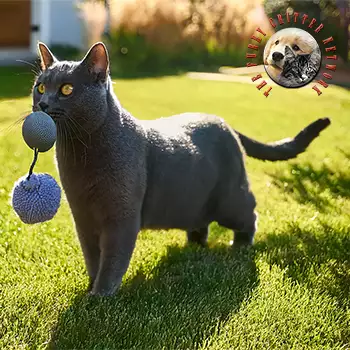

Space Requirements

The Chartreux is a calm, adaptable breed that does well in apartments and houses alike, but their solid build and moderate activity level still require thoughtful space planning. While they are not the type of cat to sprint laps around the house at three in the morning, they do enjoy having room to patrol, observe, and stretch out comfortably. A living space that offers both horizontal floor area and vertical climbing opportunities will keep a Chartreux mentally satisfied and physically healthy.

Vertical space is particularly important for this breed. Cat trees, wall-mounted shelves, and elevated perches allow the Chartreux to indulge their natural preference for observation from a height. Because of their heavier build, any vertical furniture must be sturdy and well-anchored — lightweight cat trees that wobble or tip are both a safety hazard and a deterrent, as the Chartreux will simply stop using them. Look for models with wide, reinforced bases and platforms large enough to accommodate a cat in the twelve-to-sixteen-pound range.

The Chartreux also values having quiet retreat spaces where they can withdraw and rest undisturbed. This is a breed that bonds deeply with its family but is not clingy, and they appreciate the option to remove themselves from noise and activity. Enclosed beds, covered cubbies, or even a dedicated shelf in a low-traffic room can serve this purpose well.

For households with outdoor access, enclosed patios or catios provide an excellent way to offer fresh air and environmental stimulation without the risks associated with free roaming. The Chartreux's hunting instincts are well-developed, and unsupervised outdoor access increases the risk of injury, parasites, and encounters with wildlife or vehicles.

Cat Trees & Climbing Structures

A quality cat tree is one of the single most valuable pieces of furniture you can provide for a Chartreux. It consolidates scratching surfaces, elevated perches, hiding spots, and play areas into one structure, making it a centerpiece of the cat's indoor territory. Given the Chartreux's weight, the most important selection criterion is stability. Trees with a heavy base plate, thick support posts, and a relatively low center of gravity are far less likely to topple during use.

Post diameter matters significantly. Support columns of at least three inches in diameter wrapped in sisal rope give the Chartreux a satisfying scratching surface while bearing their weight without flexing or snapping. Carpet-wrapped posts are an alternative but tend to snag claws more easily and are harder to replace when worn. Some owners prefer bare wood or corrugated cardboard inserts as scratching surfaces, which can be effective but wear out faster under heavy use.

Platform size is another critical factor. The Chartreux is not a small cat, and platforms that are too narrow or shallow will go unused. Each resting platform should be wide enough for the cat to lie fully stretched on their side with room to spare. Hammock-style attachments are popular but should be checked carefully for weight ratings, as many are designed for smaller breeds and will sag or detach under a Chartreux's frame.

Placement of the cat tree within the home influences how much it gets used. Chartreux cats prefer vantage points that allow them to survey household activity, so positioning the tree near a window with a view or in the main living area encourages regular use. A tree tucked into an unused corner of a spare bedroom will likely be ignored in favor of the back of the living room couch.

Beds & Sleeping Areas

The Chartreux spends a considerable portion of the day sleeping, as is typical for domestic cats, and providing comfortable, well-placed sleeping options contributes meaningfully to their quality of life. This breed tends to favor beds that offer some degree of enclosure or raised edges, likely because these designs provide a sense of security and help retain body heat. Bolster beds, donut-shaped beds, and hooded cave-style beds are all popular choices.

Material selection should account for the Chartreux's dense double coat. Beds made from breathable fabrics like cotton or linen help prevent overheating, while plush fleece options may be more appropriate for cooler climates or drafty rooms. Machine-washable covers or removable liners are strongly recommended, as the Chartreux sheds moderately year-round and more heavily during seasonal coat transitions. A bed that cannot be easily cleaned will quickly accumulate fur, dander, and odor.

Size the bed generously. A Chartreux that weighs fourteen pounds needs a bed designed for a medium-to-large cat, not a petite model that forces them to curl tightly. Cats that feel cramped in their beds will abandon them for furniture, laundry piles, or other surfaces that offer more room. Orthopedic or memory-foam beds are worth considering for senior Chartreux cats, as the supportive cushioning can ease joint stiffness associated with age and the breed's heavier frame.

Multiple sleeping stations throughout the home allow the Chartreux to follow sunbeams, move with household activity, or retreat to quieter areas as their mood dictates. A window perch in the morning sun, a covered bed in the bedroom, and a cushioned spot on the cat tree together provide the variety that cats naturally seek.

Carriers & Travel Housing

Every Chartreux owner needs a reliable carrier for veterinary visits, travel, and emergencies, and selecting the right one for this breed requires attention to size and construction. Hard-sided carriers with top-loading doors are generally the easiest for getting a reluctant Chartreux inside, as they allow you to lower the cat in from above rather than pushing them headfirst through a front opening. The carrier should be large enough for the cat to stand, turn around, and lie down comfortably without pressing against the walls.

Weight capacity is a practical concern. Many standard carriers are rated for cats up to ten or twelve pounds, which may be insufficient for a fully grown male Chartreux. Check the manufacturer's weight rating carefully and choose a carrier built for medium-to-large cats. Reinforced handles, secure latches, and ventilation on multiple sides are baseline features that should not be compromised regardless of the carrier style you prefer.

Soft-sided carriers offer lighter weight and easier storage but vary widely in structural integrity. For a Chartreux, look for soft carriers with a rigid internal frame or stiffened floor panel so the carrier holds its shape under the cat's weight. Mesh panels should be reinforced to resist scratching, and zippers should feature lockable pulls to prevent an anxious cat from pushing them open mid-transit.

Getting the Chartreux comfortable with the carrier before it is needed makes a significant difference in travel stress. Leave the carrier out in the home as a permanent resting option, placing familiar bedding and occasional treats inside. Cats that associate the carrier exclusively with veterinary visits will resist entering it, while those who view it as just another napping spot typically handle transport with much less anxiety.

Climate Considerations

The Chartreux's dense, woolly double coat provides excellent insulation against cold but can make them susceptible to overheating in warm environments. Indoor temperature management is important, particularly during summer months. Air conditioning, fans, and access to cool tile or hardwood floors give the Chartreux options for self-regulating their body temperature. Avoid placing cat beds or trees in direct sunlight during the hottest parts of the day, or provide shaded alternatives nearby.

In colder climates, the Chartreux's coat serves them well, but drafty sleeping areas near exterior walls, windows, or doors can still cause discomfort, especially for older cats. Elevated beds that keep the cat off cold floors, self-warming pads that reflect body heat, and strategically placed beds near heat sources all help. Heated cat beds are available and can be beneficial for senior cats with arthritis, though they should have an auto-shutoff feature and be used on low settings to prevent overheating.

Humidity levels affect both the Chartreux and their living environment. Very dry indoor air, common in heated homes during winter, can contribute to static in the coat, dry skin, and increased shedding. A room humidifier set to maintain relative humidity between 40 and 60 percent benefits both the cat and the human occupants of the home. Conversely, consistently high humidity can promote mold growth in enclosed cat furniture, so ventilation and periodic cleaning of cat trees, beds, and carriers are important in humid climates.

For catios or outdoor enclosures, seasonal adaptation is essential. A catio that works beautifully in spring may become an oven in July or an ice box in January. Retractable shade covers, weatherproof roofing, and removable insulated panels can extend the usable season of an outdoor enclosure, ensuring the Chartreux can enjoy fresh air safely year-round.

Multi-Cat Households

The Chartreux generally coexists peacefully with other cats, particularly when introductions are handled gradually and resources are adequately distributed. The key principle in multi-cat housing is the elimination of competition for essentials. The standard formula of one resource per cat plus one extra applies to litter boxes, food stations, water sources, and sleeping areas. When cats do not have to compete for these basics, territorial stress drops significantly.

Vertical territory becomes especially important in multi-cat homes. Cats establish social hierarchies partly through access to elevated spaces, and providing multiple perching options at varying heights allows each cat to claim preferred vantage points without conflict. Wall-mounted shelves, multiple cat trees, and cleared surfaces on furniture all expand the usable territory within a home's fixed square footage.

The Chartreux's temperament — calm, observant, and non-confrontational — generally makes them a stabilizing presence in a multi-cat household, but their quiet nature also means they may withdraw rather than compete for resources. If a more assertive cat in the household monopolizes the food bowl, the best sleeping spot, or the prime perch, the Chartreux may simply go without rather than challenge the dominant cat. Observing feeding behavior and resting patterns helps identify whether each cat is getting equitable access.

Safe retreat spaces are essential for every cat in a multi-cat home, and the Chartreux's preference for enclosed, quiet resting areas makes this doubly important. Each cat should have at least one resting spot that is exclusively theirs, ideally in a location where they cannot be ambushed or cornered by housemates. Covered beds, elevated cubbies, and rooms with cat doors that can be set to admit only one cat via microchip reader all serve this purpose effectively.

Always consult a qualified professional before making any health-related decisions. This content is provided for informational reference only and should not replace professional guidance specific to your animal.